Why do pet cats lack the genetic taste receptors required to detect sweet flavors like sugar or honey
Your cat isn't just a picky eater—they are biologically "sweet-blind." Discover the fascinating evolutionary glitch that deleted their ability to taste sugar and what it reveals about their life as apex predators.


Too Long; Didn't Read
Cats lack the ability to taste sweetness due to a genetic mutation that permanently deactivated their T1R2 protein receptor. As obligate carnivores, they evolved to rely solely on meat, rendering the ability to detect sugars biologically unnecessary.
The Sweet Truth: Why Do Pet Cats Lack the Genetic Taste Receptors Required to Detect Sweet Flavors Like Sugar or Honey?
While many humans have a legendary "sweet tooth," our feline companions are living a completely different sensory reality. If you have ever wondered why your cat ignores a piece of cake but rushes for a sliver of turkey, the answer lies deep within their DNA. Unlike almost all other mammals, members of the cat family—from the tabby on your sofa to the tiger in the wild—are biologically "sweet-blind."
Understanding why pet cats lack the genetic taste receptors required to detect sweet flavors like sugar or honey is more than just a biological curiosity; it is a fundamental aspect of feline health and nutrition. This post will explore the fascinating genetic mutation that stripped cats of their ability to taste sugar and explain how this evolutionary trait defines their status as the planet's premier obligate carnivores.
The Molecular Mystery: A Missing Link in Taste
In most mammals, the sensation of "sweet" is triggered by a receptor on the tongue comprised of two coupled proteins. These proteins are generated by two specific genes: Tas1r2 and Tas1r3. When a mammal consumes sugar or honey, these proteins work together to signal the brain that a high-energy carbohydrate has been detected.
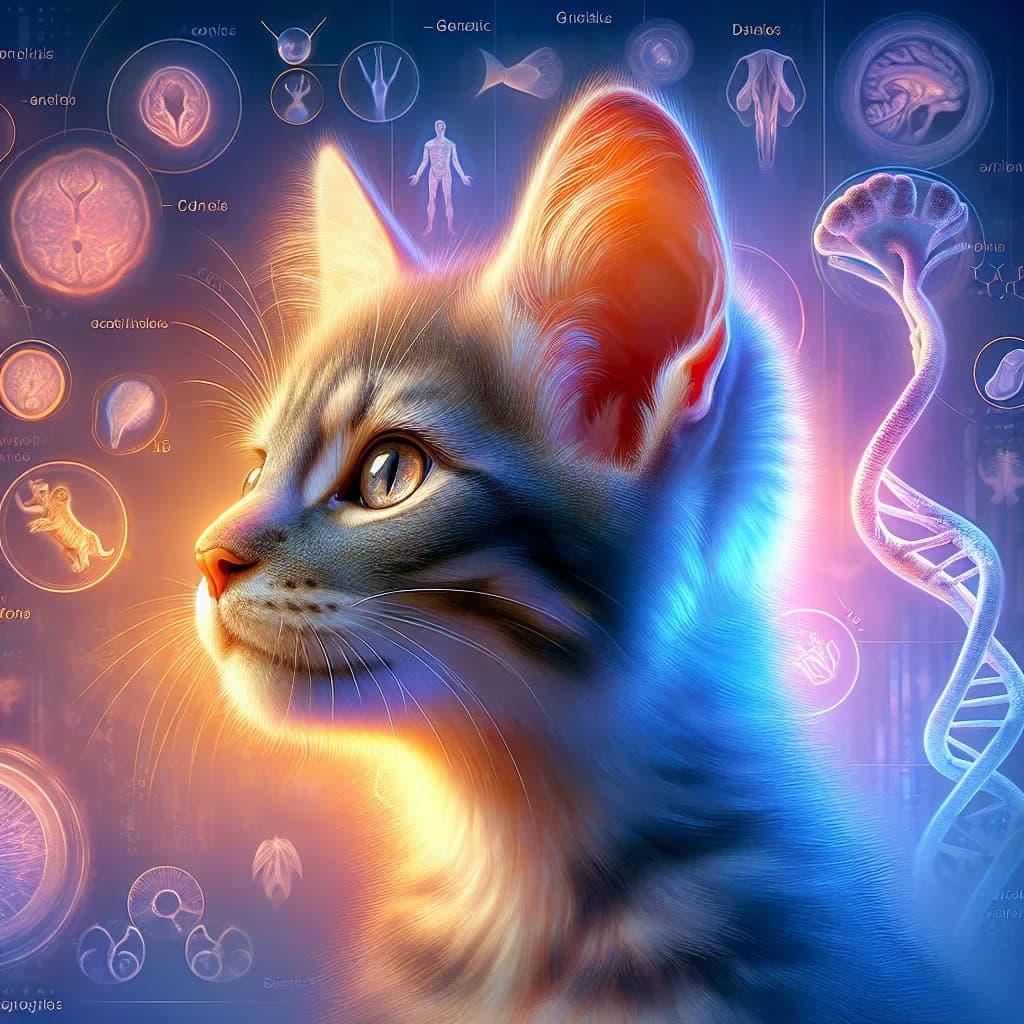
However, research published by geneticists at the Monell Chemical Senses Center discovered that all felids possess a critical defect in the Tas1r2 gene. In cats, this gene has become a "pseudogene"—a section of DNA that resembles a gene but has mutated so significantly that it can no longer code for a functional protein. Because they lack one half of the necessary receptor "lock," the "key" (sugar) simply cannot turn it.
Evolutionary Efficiency: The Obligate Carnivore
Why would nature allow such a seemingly useful trait to disappear? The answer lies in the cat's evolutionary history as an obligate carnivore. Unlike dogs or bears, which are omnivorous and can derive nutrients from plant matter, cats evolved to survive exclusively on animal tissue.
- Dietary Specialization: In the wild, cats consume prey consisting almost entirely of protein and fat.
- Lack of Selection Pressure: Because cats do not naturally seek out fruit or nectar, there was no evolutionary advantage to maintaining the energy-intensive machinery required to taste sugar.
- Genetic Drift: Over millions of years, the Tas1r2 gene was allowed to mutate and break because its loss did not hinder the cat's ability to hunt or reproduce.
What Do Cats Taste Instead?
Just because cats cannot taste honey doesn't mean their palates are dull. In fact, their taste buds are highly specialized for their specific dietary needs. Instead of sweetness, cats are finely tuned to detect:
- Adenosine Triphosphate (ATP): This molecule, which provides energy to living cells, signals the presence of fresh meat.
- Amino Acids: Cats have receptors that respond strongly to the building blocks of protein, which humans often describe as "umami" or savory flavors.
- Fats: Research suggests cats have a high sensitivity to the texture and chemical signatures of animal fats.
Practical Implications for Pet Owners
Knowing that your cat is sweet-blind is essential for responsible husbandry. Many commercial cat treats or low-quality kibbles may contain hidden sugars or corn syrups. Since cats cannot taste these additives, they may ingest them without the biological "stop" signal that humans experience with cloying sweetness.
- Avoid Sugary Treats: Foods like honey, maple syrup, or fruit are biologically inappropriate for cats.
- Metabolic Risks: Cats lack the digestive enzymes (like glucokinase in the liver) to process large amounts of carbohydrates efficiently. Excessive sugar intake is a leading contributor to feline obesity and Type II diabetes.
- Focus on Protein: When selecting food, prioritize high-quality animal proteins that align with their genetic predisposition.
Conclusion
The fact that pet cats lack the genetic taste receptors required to detect sweet flavors like sugar or honey is a testament to their remarkable specialization as predators. This "genetic deletion" is not a disability, but rather a reflection of a species that has spent millions of years perfecting the art of being a carnivore. By understanding that our cats view the world through a savory, protein-focused lens, we can make more informed decisions regarding their diet and well-being. Always prioritize biology over human preference when filling your cat's bowl, and consult with a veterinarian to ensure your pet's nutritional plan matches their unique evolutionary heritage.