Why do pet cats perform a funny grimace to taste scents using a specialized vomeronasal organ
Ever wonder why your cat makes that hilarious, open-mouthed "stinky face" after sniffing the air? It’s not just a funny look—it’s a high-tech sensory superpower that allows them to literally taste invisible messages using a hidden "sixth sense."

Too Long; Didn't Read
Cats perform the Flehmen response, a funny grimace, to pull scents into their vomeronasal organ located on the roof of their mouth. This allows them to analyze pheromones and chemical signals, essentially tasting the air to gather important information about their environment and other animals.
Decoding the "Stink Face": Why Do Pet Cats Perform a Funny Grimace to Taste Scents?
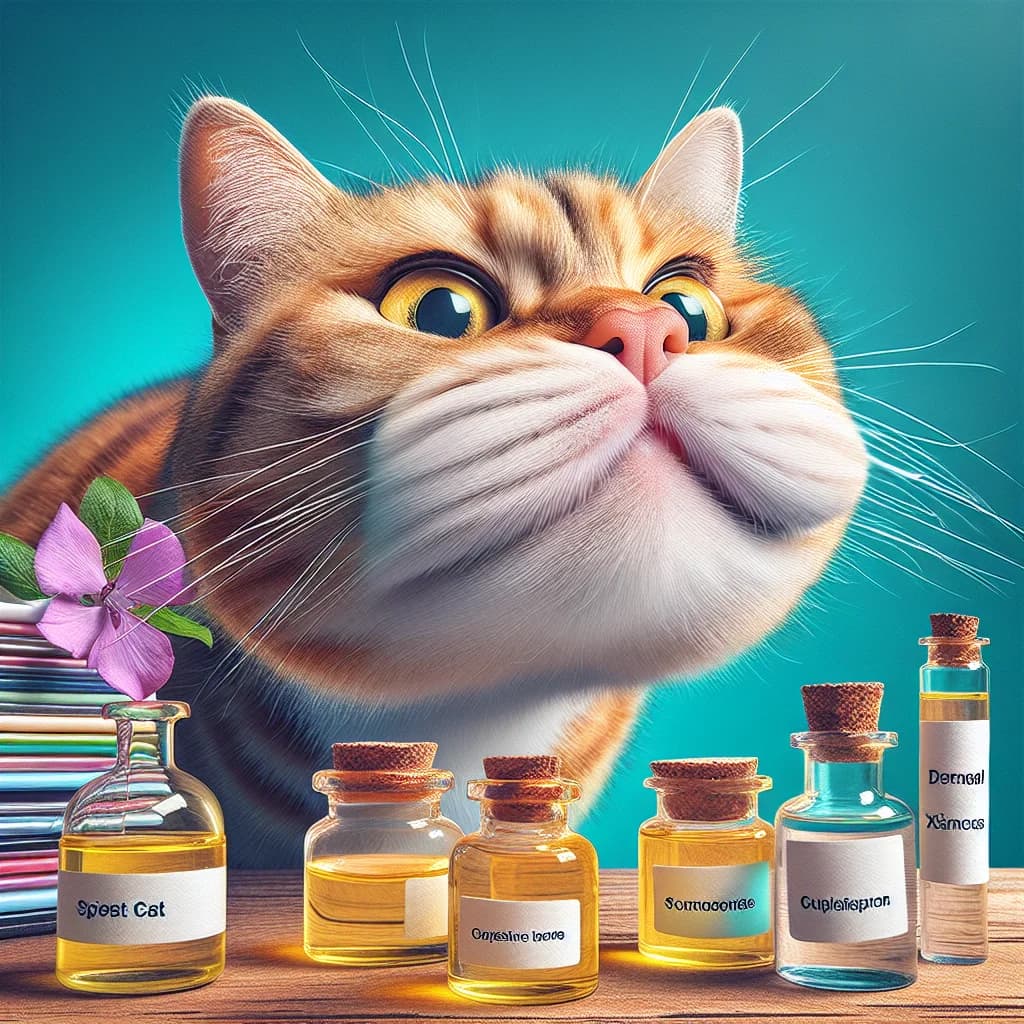
Have you ever caught your cat sniffing a pair of shoes or a patch of carpet, only to have them pull back with their mouth half-open, their upper lip curled, and a dazed look in their eyes? While this "funny grimace" often looks like a reaction to a bad smell, it is actually a sophisticated biological process known as the Flehmen response. Far from being a sign of disgust, this behavior is a window into a hidden world of chemical communication that humans simply cannot perceive.
Understanding why pet cats perform a funny grimace to taste scents using a specialized vomeronasal organ is essential for any cat owner. This behavior is not just a quirky habit; it is a vital part of feline sensory biology that aids in social interaction, territorial mapping, and environmental assessment. This post will explore the science behind Jacobson’s organ and the evolutionary reasons why your cat "tastes" the air.
Anatomy of a Super-Sense: The Vomeronasal Organ
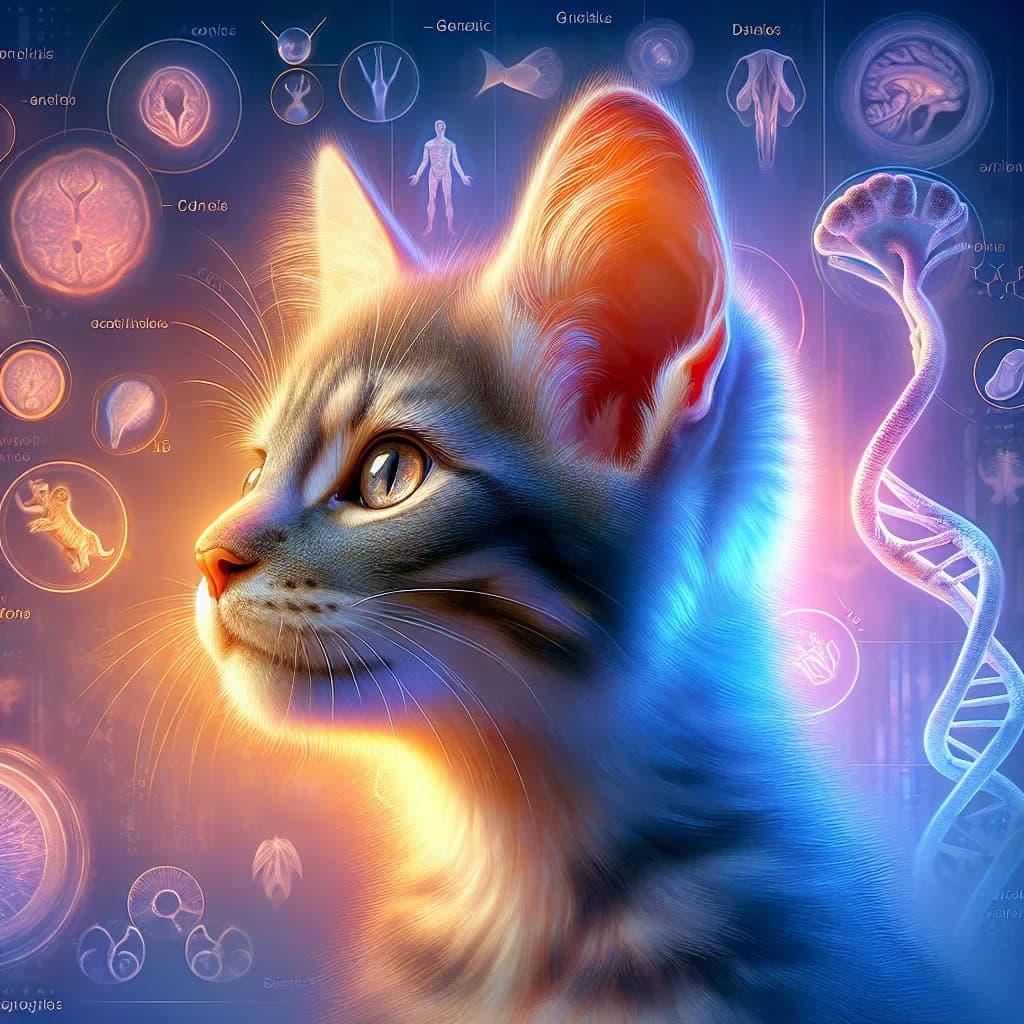
At the heart of this behavior is the vomeronasal organ (VNO), also commonly referred to as Jacobson’s organ. While humans have a vestigial version of this organ, it is highly developed and functional in cats and many other mammals.
Where is it located?
The vomeronasal organ consists of two small, fluid-filled sacs located in the roof of the cat's mouth, just behind the front incisors. It is connected to the nasal cavity and the mouth via tiny ducts called the incisive canals. If you look closely at the roof of your cat's mouth, you might see a small bump called the incisive papilla, which serves as the "entryway" for these chemical signals.
How it functions
Unlike the standard olfactory system, which detects airborne odors through the nose, the VNO is designed to detect non-volatile chemical signals, specifically pheromones. When a cat performs the Flehmen response, they pull air into the VNO. The curling of the lip and the open mouth create a vacuum-like effect, forcing scent molecules toward the organ. Here, the chemicals are analyzed by specialized sensory cells that send direct signals to the hypothalamus in the brain—the area responsible for emotional and physiological responses.
The Evolutionary Purpose of "Scent-Tasting"
The Flehmen response is an evolutionary adaptation that allows cats to gather complex data about their environment that "normal" smelling cannot provide. This sensory input is crucial for survival and social cohesion in the wild.
- Identifying Social Status: Cats use the VNO to decode pheromones left in the urine or cheek-rubbing marks of other cats. This tells them the age, sex, and health of the individual who left the mark.
- Reproductive Signaling: For unneutered cats, the Flehmen response is critical for identifying reproductive status. Male cats use it to determine if a female is in heat by "tasting" the specific hormonal markers in her scent.
- Territorial Mapping: Cats are highly territorial. By analyzing scent marks, a cat can determine how recently a "rival" was in the area, helping them avoid unnecessary physical confrontations.
Common Triggers for the Flehmen Response
While the grimace is most common in wild settings, indoor pet cats still frequently utilize this organ. You may notice your cat performing the Flehmen response after sniffing:
- Strong Smelling Items: Dirty laundry, gym bags, or shoes often carry concentrated human and environmental scents.
- New Objects: When you bring a new item into the home, your cat may "taste" it to categorize it as safe or intrusive.
- Other Pets: If you have multiple animals, cats will often use the Flehmen response on areas where another pet has recently slept or groomed.
Conclusion
The funny grimace your cat makes is a testament to their complex biological engineering. By using the vomeronasal organ to "taste" scents, cats can navigate a world of chemical information that is invisible to the human eye and nose. Recognizing the Flehmen response for what it is—a highly functional sensory tool—allows pet owners to better appreciate the depth of feline perception and communication.
Understanding these natural behaviors is a key component of responsible pet ownership and animal welfare. The next time you see your cat pull that "stink face," remember that they aren't being judgmental; they are simply performing a deep dive into the chemical history of their environment. If you ever notice a change in your cat’s sniffing behavior or if they seem to have difficulty breathing, always consult with a veterinary professional to ensure their respiratory and sensory health remains in peak condition.