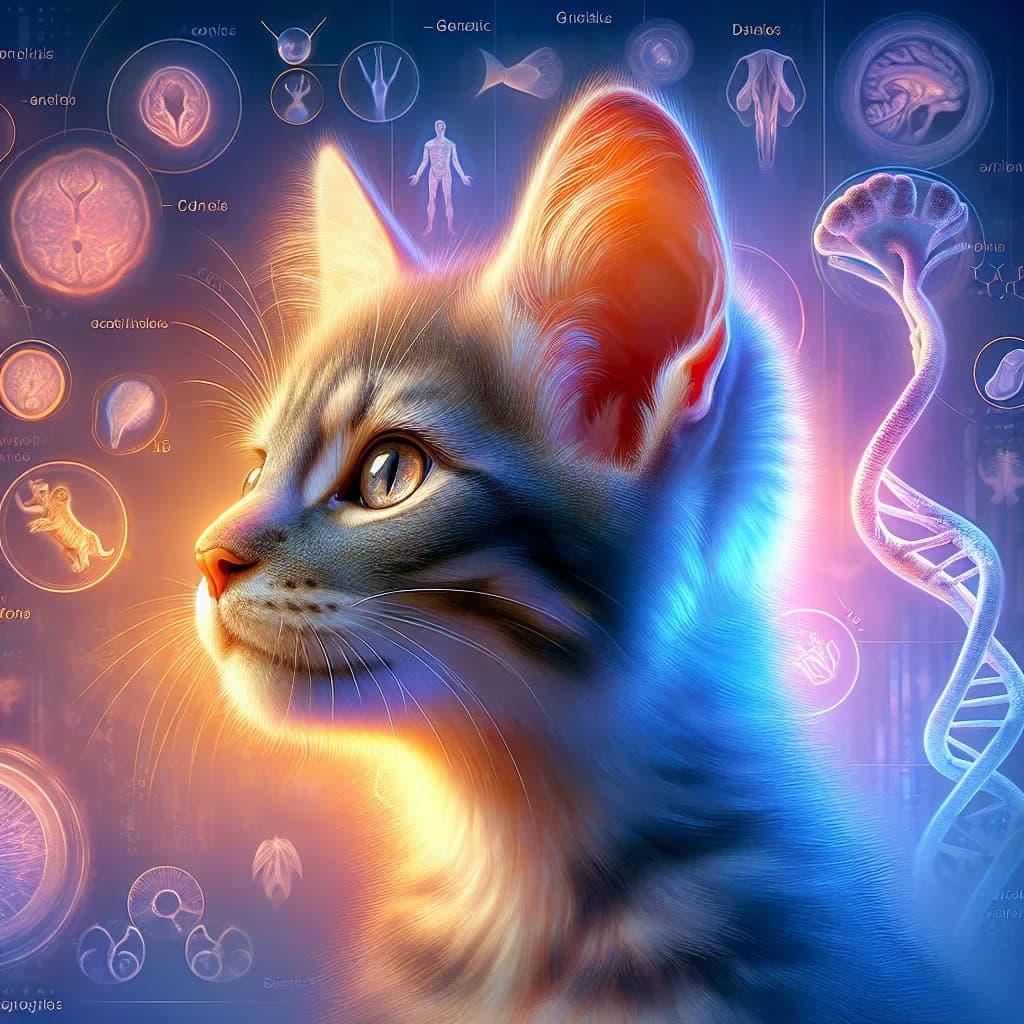
Why do pet cats perform a funny open-mouthed grimace known as the Flehmen response to analyze strange scents
That hilarious, open-mouthed "stink face" your cat makes isn't a look of judgment—it’s actually a sophisticated sensory superpower used to "taste" the air. Discover the fascinating science behind the Flehmen response and what your feline is really learning from those mysterious scents.

Too Long; Didn't Read
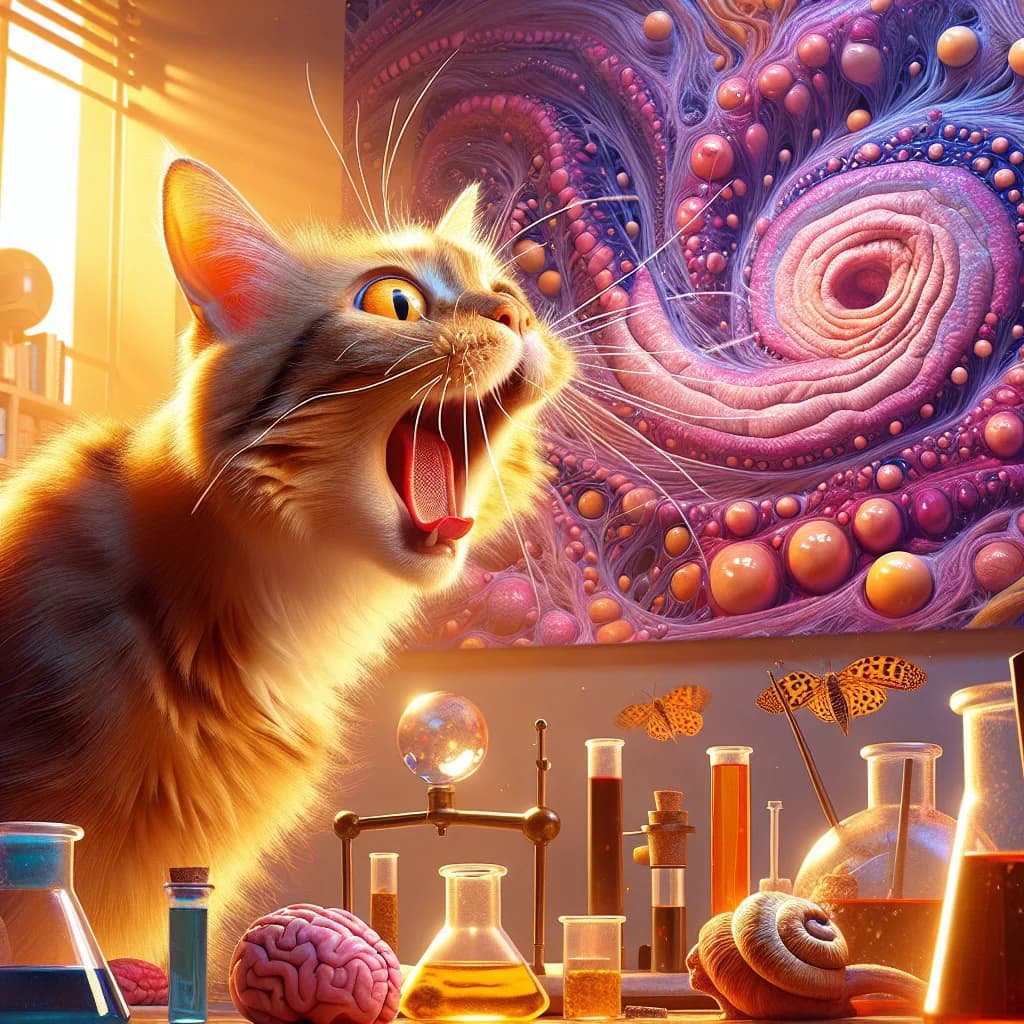
Cats perform the Flehmen response to direct scents toward the vomeronasal organ located on the roof of their mouth. This specialized sensory tool allows them to analyze pheromones and complex odors more deeply than regular sniffing.
The Science of the Stink-Face: Why Do Pet Cats Perform a Funny Open-Mouthed Grimace Known as the Flehmen Response to Analyze Strange Scents?
Every cat owner has witnessed it: your cat sniffs a rug, a shoe, or even another pet, and then pulls back with a strange, glazed-over expression, curling their upper lip and leaving their mouth slightly agape. While this "stink-face" often results in humorous photos, it is actually a sophisticated biological mechanism. This behavior is known as the Flehmen response, a term derived from the German word flehmen, meaning to look spiteful or curl the upper lip.
Far from being a sign of disgust, this grimace is a critical tool for feline communication and environmental navigation. Understanding the Flehmen response is essential for any cat owner, as it provides a window into how our feline companions perceive a world saturated with chemical data that humans simply cannot detect. This post will explore the biological pathways, evolutionary history, and behavioral significance of this fascinating feline trait.
The Anatomy of the Jacobson’s Organ
To understand why cats perform the Flehmen response, one must first understand the vomeronasal organ, also known as the Jacobson’s organ. Located in the roof of the cat’s mouth, just behind the front incisors, this specialized sensory organ acts as a bridge between the senses of smell and taste. It is lined with sensory epithelium that detects non-volatile chemical stimuli, such as pheromones.
When a cat "flehmen," they are not breathing in the traditional sense. Instead, they perform a specific physical action:
- The Lip Curl: The upper lip is pulled back to expose the small ducts (incisive papilla) located on the roof of the mouth.
- The Tongue Flick: Often, the cat will flick its tongue against the roof of the mouth to help transport scent particles toward these ducts.
- The Stilled Breath: The cat temporarily ceases normal nasal breathing to allow the scent to be "trapped" and analyzed by the Jacobson’s organ.
Decoding Chemical Messages
While the primary nose is excellent at detecting volatile odors (like the smell of food), the Jacobson’s organ is designed for deeper analysis. The Flehmen response allows cats to process complex chemical "messages" left behind by other animals. These chemicals, primarily pheromones, provide a wealth of data including:
- Identification: Determining the identity and gender of the animal that left the scent.
- Reproductive Status: Male cats frequently use the Flehmen response to detect if a female is in estrus (heat).
- Territorial Boundaries: Cats use scent marking to define their space. The Flehmen response helps a cat understand how long ago another cat passed through and whether they are a friend or a foe.
- Emotional State: Some research suggests that pheromones can even convey whether an animal was stressed or calm when the scent was deposited.
Evolutionary Context and Comparative Biology
The Flehmen response is not unique to domestic cats. It is a highly conserved trait found across various mammalian species, including lions, tigers, horses, goats, and giraffes. In the wild, this response is a survival mechanism. For a solitary predator like the ancestor of the domestic cat (Felis lybica), being able to read the "chemical bulletin board" of the environment was vital for avoiding conflict and finding mates.
Interestingly, while many mammals possess this organ, the domestic cat’s vomeronasal system is particularly well-developed. This suggests that despite thousands of years of domestication and living in human environments, cats remain deeply reliant on their primitive, wild-derived sensory systems to feel secure and informed in their surroundings.
Encouraging a Sensory-Rich Environment
Understanding the Flehmen response can help owners improve feline welfare. Since cats rely heavily on chemical information, "scent-swapping" (rubbing a cloth on one cat and placing it near another) is an evidence-based method for introducing new pets. Additionally, providing "scent enrichment," such as bringing in items from the outdoors or providing catnip, allows a cat to exercise their Jacobson’s organ, which is a form of mental stimulation.
It is important to distinguish the Flehmen response from medical issues. While the "grimace" is normal, if a cat is panting with an open mouth after exercise or while at rest, this could indicate respiratory distress or overheating and requires immediate veterinary attention.
Conclusion
The Flehmen response is a remarkable example of how evolution has equipped cats with a "sixth sense" to decode the invisible chemical world around them. When your cat performs that funny, open-mouthed grimace, they aren't being judgmental or silly; they are performing a high-level biological analysis of their environment.
By recognizing the importance of the Jacobson’s organ, owners can better appreciate the depth of their pet's sensory experiences. Respecting a cat’s need to sniff and analyze their surroundings is a key component of responsible pet ownership. The next time you see the "stink-face," remember that your cat is simply reading the latest news in the most sophisticated way possible.