Why do pet cats perform a slow blink to communicate a sense of trust and safety with humans
Unlock the secret language of the "cat kiss" and discover why this simple, sleepy-eyed gaze is actually the ultimate sign of feline devotion. Learn the fascinating science behind the slow blink and how this tiny gesture builds an unbreakable bond of trust between you and your cat.

Too Long; Didn't Read
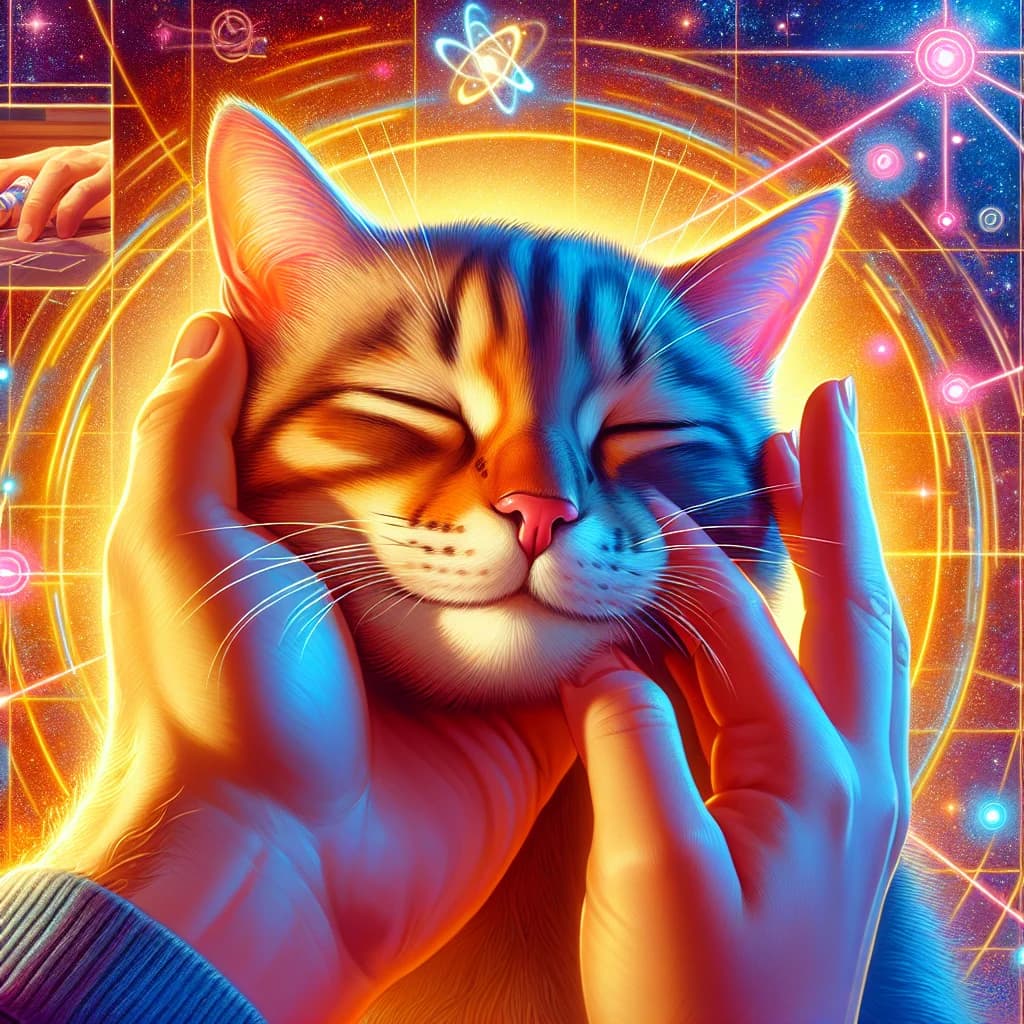
The slow blink serves as a feline smile, signaling that a cat feels safe and comfortable enough to momentarily close its eyes in your presence. This behavior functions as a non-threatening gesture that fosters trust and strengthens the emotional bond between cats and their human companions.
Decoding the Feline Gaze: Why Do Pet Cats Perform a Slow Blink to Communicate a Sense of Trust and Safety with Humans?
The gaze of a domestic cat is a powerful tool of communication, shaped by millions of years of predatory evolution. While a fixed, unblinking stare often signals a challenge or intense focus in the animal kingdom, pet cats have developed a softer alternative for their human companions: the slow blink. Often referred to by behaviorists as the "cat smile," this subtle movement involves the narrowing of the eyelids followed by a prolonged closure or a series of slow, rhythmic blinks. Understanding why do pet cats perform a slow blink to communicate a sense of trust and safety with humans is essential for improving animal welfare and deepening the human-animal bond, as it provides a window into the feline emotional state. This post explores the biological and psychological drivers behind this unique behavioral trait.
The Science Behind the "Cat Smile"
In 2020, researchers from the Universities of Sussex and Portsmouth published a landmark study in the journal Scientific Reports providing empirical evidence for the function of the slow blink. The study confirmed that cats are more likely to slow blink at their owners if their owners have already initiated the gesture. Furthermore, cats were found to be more likely to approach an unfamiliar person who adopted a slow-blinking posture compared to one maintaining a neutral expression.
This behavior is categorized as a "low-intensity" positive emotional signal. In human psychology, the "Duchenne smile"—a genuine smile that reaches the eyes—is a marker of true emotion. For cats, the slow blink appears to be a feline functional equivalent, signaling a relaxed internal state and a lack of predatory or defensive intent.
Evolutionary Context: Vulnerability as a Sign of Safety
To understand the slow blink, one must look at feline ethology. In the wild, cats are "mesopredators," meaning they are both hunters and prey for larger carnivores. Consequently, their survival depends on constant vigilance. Closing one's eyes in the presence of another creature is a moment of extreme vulnerability.
When a cat performs a slow blink, they are intentionally breaking visual contact and lowering their guard. This is a profound biological "white flag" that signals:
- Non-Threatening Intent: The cat is demonstrating that they do not perceive the human as a threat.
- Safety Assessment: The cat feels secure enough in its environment to momentarily "blind" itself, indicating a high level of environmental and social comfort.
How the Slow Blink Facilitates Human-Cat Interaction
Unlike dogs, who have evolved specific facial muscles to mimic human expressions, cats rely on more subtle ocular cues. The slow blink serves as a bridge between species, allowing for a reciprocal exchange of calm. Behavioral experts suggest that this movement lowers the cat’s physiological arousal levels, moving them out of a "fight or flight" mindset and into a "rest and digest" state.
How to Correctly Perform the Slow Blink
If you wish to communicate safety to a cat using evidence-based methods, follow these steps:
- Narrow your eyes: Mimic a relaxed, sleepy expression.
- Slowly close your eyes: Keep them shut for one to two seconds.
- Slowly reopen: Maintain a soft gaze; do not stare intensely, as a fixed stare can be interpreted as a threat.
- Look away: Briefly averting your gaze after the blink reinforces your non-aggressive intent.
Professional Perspectives on Feline Communication
Within the veterinary community, the slow blink is recognized as a vital tool for fear-free handling. Veterinary professionals often use this technique to soothe anxious patients during exams. While some may argue that the behavior is purely associative—meaning cats do it because it results in treats or petting—the consensus in animal behavior science points toward a more complex emotional root. It is viewed as an "affiliative" behavior, meaning it is intended to initiate or maintain a social bond.
Conclusion
Understanding why do pet cats perform a slow blink to communicate a sense of trust and safety with humans is more than just a curious observation; it is a fundamental aspect of feline literacy. By recognizing this "cat smile" as a biological signal of vulnerability and peace, owners can better interpret their pets' needs and emotional health. This small, silent gesture serves as a powerful testament to the unique bond shared between humans and felines. For those looking to improve their relationship with their cat, mastering the art of the slow blink is an evidence-based way to foster a lifetime of mutual respect and security. For more specific behavioral concerns, always consult with a certified feline behavior consultant or your primary veterinarian.