Why do pet cats possess a floating collarbone that allows them to squeeze through any gap their head fits into
Ever wonder how your cat defies the laws of physics to squeeze through the tightest gaps? Discover the secret of the "floating collarbone"—the evolutionary marvel that turns your feline friend into a master of escape.


Too Long; Didn't Read
Cats possess a floating collarbone detached from their skeleton and embedded in muscle. This unique anatomy allows their shoulders to collapse inward, meaning they can squeeze through any opening that accommodates the width of their skull.
Feline Physics: Why Do Pet Cats Possess a Floating Collarbone That Allows Them to Squeeze Through Any Gap?
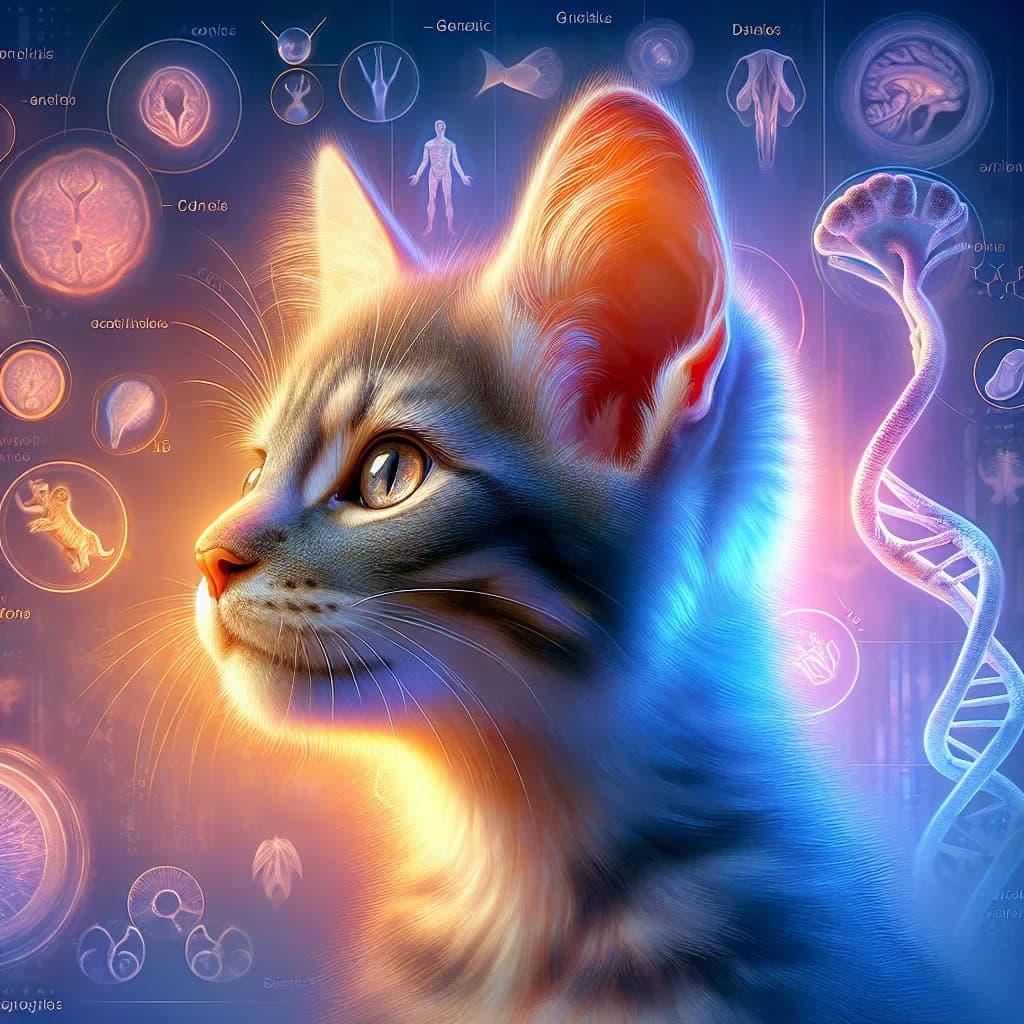
Most cat owners have watched in disbelief as their feline companion seemingly defies the laws of physics, "melting" into a space that appears far too small for their frame. This remarkable ability to navigate tight quarters is not a trick of the light, but rather a sophisticated biological adaptation. At the heart of this agility is a unique skeletal feature: the floating collarbone. While humans possess a rigid clavicle that bridges the shoulder to the breastbone, cats possess a vestigial collarbone that remains unattached to other bones. Understanding why pet cats possess a floating collarbone that allows them to squeeze through any gap their head fits into provides deep insight into their predatory history and physical capabilities. This post explores the anatomical science behind feline flexibility and how it serves as a vital component of their survival and well-being.
The Anatomy of the Floating Clavicle
To understand the feline "liquid" state, one must first look at the skeletal structure of the shoulder girdle. In humans, the clavicle (collarbone) is a sturdy, horizontal bone that connects the scapula (shoulder blade) to the sternum (breastbone). This provides a rigid framework that supports the weight of the arms and allows for outward pushing movements.
In contrast, the feline clavicle is considered "vestigial," meaning it has lost much of its original ancestral function. Instead of being anchored to other bones, the cat's collarbone is a small, sliver-like bone buried deep within the muscles of the shoulder. Because the shoulder blades are attached to the rest of the body only by muscles and ligaments rather than a bony joint, the cat’s shoulders can move independently and compress significantly. This lack of a rigid bridge allows the cat to narrow its chest, facilitating entry into incredibly tight spaces.
The "If the Head Fits" Rule
The common adage that "if a cat can fit its head through, it can fit its body through" is largely rooted in this anatomical reality. In a healthy, lean cat, the skull is the widest fixed point of the body. Because the shoulders are not constrained by a fixed collarbone, they can fold inward to match the width of the skull.
The Role of Whiskers in Navigation
Cats use a biological "measuring tape" to determine if a gap is navigable before they even attempt to enter. Their whiskers, or vibrissae, are highly sensitive tactile hairs that are typically as wide as the cat’s body. When a cat approaches a narrow opening, the nerves at the base of the whiskers detect the slightest touch or change in air current. This sensory data tells the brain whether the floating collarbones will need to compress to facilitate passage, or if the space is entirely too narrow for the skull to pass.
Evolutionary Advantages: Hunting and Survival
The evolutionary reason why pet cats possess a floating collarbone is tied to their history as solitary, opportunistic hunters. The ancestors of the modern domestic cat (Felis catus), such as the African Wildcat, relied on the ability to pursue prey into dense brush, rocky crevices, and narrow burrows.
- Predatory Access: Being able to squeeze into a rodent's tunnel or a narrow gap in the trees gave feline ancestors a significant advantage in securing food.
- Escape Mechanisms: Conversely, the ability to retreat into small spaces where larger predators could not follow was a vital defense mechanism.
- Shock Absorption: Beyond squeezing through gaps, the floating collarbone acts as a shock absorber. When a cat lands from a great height, the lack of a rigid bone-to-bone connection in the shoulder allows the muscles and ligaments to dissipate the force of the impact more effectively, preventing bone fractures.
Practical Implications for Pet Owners
Understanding this anatomical trait is crucial for responsible animal husbandry. While the floating collarbone provides great freedom, it also presents risks in a domestic environment.
- Home Safety: Owners should be aware that "cat-proofing" involves more than just closing doors. If a cat can poke its head into a gap—such as behind an appliance or through a balcony railing—it will likely attempt to follow with its body.
- The Obesity Factor: It is important to note that the "if the head fits" rule only applies to cats at an ideal body weight. In overweight or obese cats, the accumulation of adipose tissue (fat) around the abdomen and chest can prevent them from following their head through a gap, leading to the animal becoming dangerously stuck.
- Handling and Lifting: Because the shoulder girdle is held together by soft tissue, it is essential to support a cat’s hindquarters and chest when picking them up, rather than lifting them by the front legs, which can strain the delicate musculature supporting the floating clavicle.
Conclusion
The floating collarbone is a marvel of feline evolution, representing a perfect synergy between form and function. By foregoing a rigid skeletal connection in the shoulder, cats have gained the unparalleled flexibility required to be world-class hunters and masters of escape. Recognizing why pet cats possess a floating collarbone that allows them to squeeze through any gap their head fits into helps owners better appreciate their pet's unique needs and biological "superpowers." Maintaining a cat’s lean body weight and ensuring their environment is free of dangerous "squeeze points" are essential steps in honoring this remarkable anatomical adaptation. For further concerns regarding your cat’s skeletal health or mobility, always consult with a qualified veterinary professional.