Why do pet cats possess a mysterious small skin flap on the base of their ears called Henry’s pocket
Tucked away at the base of every cat's ear lies a tiny, baffling flap known as Henry’s pocket that continues to stump scientists and pet owners alike. Discover the intriguing theories behind this mysterious "extra" piece of feline anatomy and what it reveals about your cat’s super-powered hearing.

Too Long; Didn't Read
Henry’s pocket, scientifically known as the cutaneous marginal pouch, is a small skin fold at the base of a cat’s ear. While its exact purpose is a mystery, it likely helps cats detect high-pitched frequencies or increases ear flexibility to better track sounds while hunting.
The Secret of the Cutaneous Marginal Pouch: Why Do Pet Cats Possess a Mysterious Small Skin Flap on the Base of Their Ears Called Henry’s Pocket?
From their retractable claws to their highly specialized night vision, cats are a masterpiece of evolutionary engineering. However, even the most observant cat owners might overlook a subtle anatomical feature located at the base of the feline ear: a small, slit-like skin flap. This structure, known formally as the cutaneous marginal pouch, is more affectionately referred to by veterinarians and enthusiasts as "Henry’s pocket." While it may seem like a minor cosmetic quirk, this fold is a standard feature of feline anatomy that plays a role in the complex sensory world of our feline companions. Understanding why do pet cats possess a mysterious small skin flap on the base of their ears called Henry’s pocket is essential for any owner looking to deepen their appreciation for feline biology and ensure the health of their pet’s highly sensitive ears.
Defining the Anatomy of Henry’s Pocket
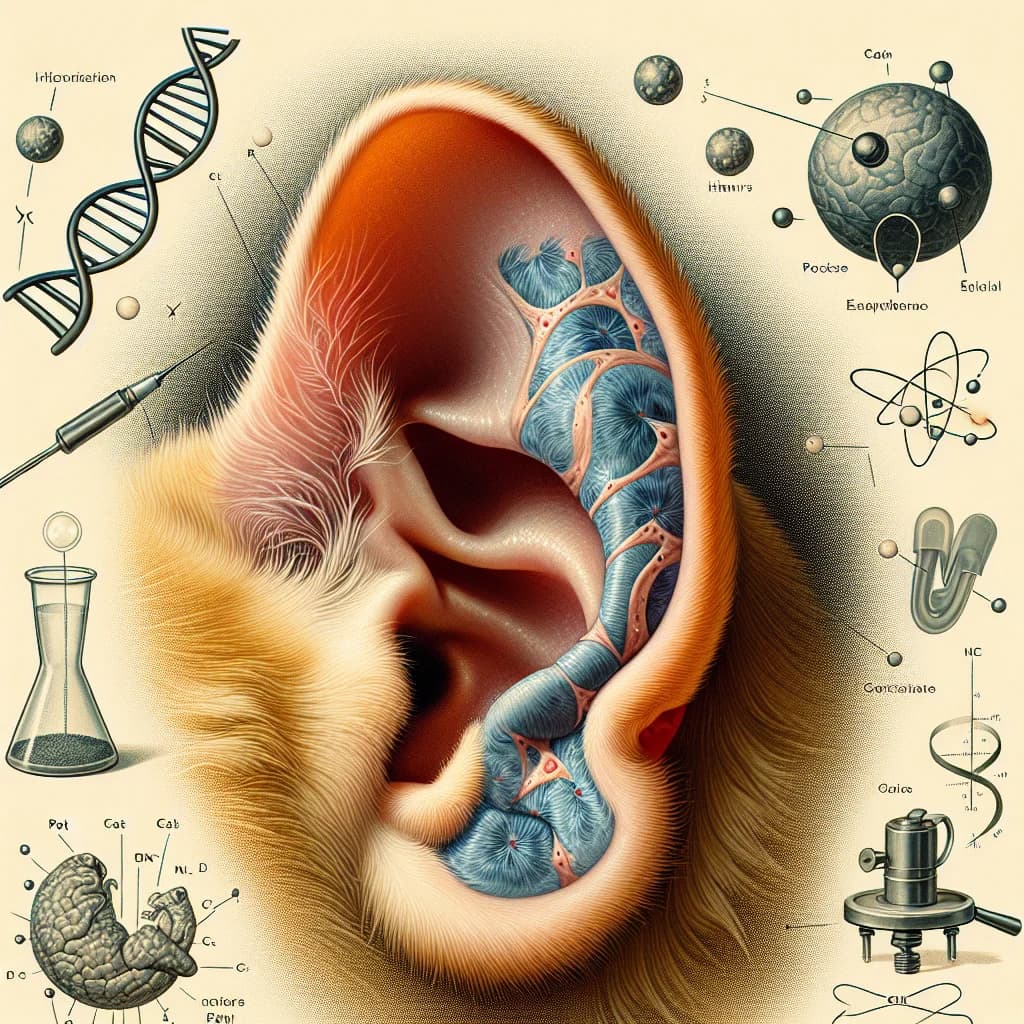
To understand the purpose of this structure, we must first define its location and composition. Anatomically, Henry’s pocket is situated on the posterior-lateral margin of the pinna (the external part of the ear). It is a small pocket formed by a fold of skin that sits just above the base of the ear.
While the exact etymology of the name "Henry’s pocket" remains a bit of a mystery in the zoological community—likely named after a specific researcher or a colloquialism that became standardized in veterinary circles—its biological classification as the cutaneous marginal pouch is well-documented. It is not an accidental deformity or a result of selective breeding; it is a natural feature found in all domestic cats, as well as many wild feline species, certain dog breeds, weasels, and even some bats.
Leading Scientific Theories on Functionality
Biologists and veterinary anatomists have proposed several evidence-based theories regarding the function of this flap. Because cats are obligate carnivores and highly efficient hunters, most theories center on auditory precision and physical agility.
1. Enhancement of Sound Detection
The most widely accepted theory is that Henry’s pocket aids in the detection of high-pitched sounds. Cats can hear frequencies up to 64,000 Hz, significantly higher than humans or even many dogs. The pouch may act as a baffle or a specialized resonator, helping to funnel sound waves more efficiently into the ear canal. By altering the way sound enters the ear, it may help cats pinpoint the exact location of the high-frequency rustling of prey, such as rodents or birds.
2. Ear Mobility and Flexibility
Cats have 32 individual muscles in each ear, allowing them to rotate their pinnae 180 degrees independently of one another. Some researchers suggest that Henry’s pocket provides the necessary slack in the skin to allow for this extreme range of motion. When a cat flattens its ears against its head—a behavior used during hunting or as a defensive "airplane ear" gesture—the pouch may act as a hinge, allowing the ear to fold smoothly without compressing the ear canal or causing discomfort.
Clinical Importance and Health Considerations
While Henry’s pocket is a fascinating evolutionary trait, it also serves a practical purpose for owners and veterinarians during routine health checks. Because of its dark, warm, and tucked-away nature, the pouch can unfortunately become a hiding spot for various external threats.
- Parasite Monitoring: Ectoparasites, particularly ticks and ear mites (Otodectes cynotis), are frequently found nesting within the cutaneous marginal pouch. The fold provides protection and a steady blood supply, making it a primary spot to check during a grooming session.
- Dermatological Issues: The pocket can trap moisture, dirt, and wax. If a cat is prone to allergies or ear infections (otitis), the pouch can become inflamed or develop a fungal overgrowth.
- Grooming Sensitivity: While most cats manage their own hygiene, older cats or those with mobility issues may need assistance. When cleaning a cat's ears, it is important to check the pocket for debris, though owners should never insert cotton swabs or sharp objects into the fold.
Conclusion
Understanding why do pet cats possess a mysterious small skin flap on the base of their ears called Henry’s pocket offers a unique window into the evolutionary history of the species. Whether it serves as a sophisticated sound-funneling device or a simple anatomical hinge for ear mobility, the cutaneous marginal pouch is a testament to the cat’s specialized design. For responsible pet owners, recognizing this feature is more than just a matter of curiosity; it is an important part of monitoring feline health and hygiene. By paying attention to these small details, we can better appreciate the intricate biology of our pets and ensure their well-being. If you ever notice redness, swelling, or unusual discharge within your cat's Henry’s pocket, be sure to consult your veterinarian for a professional evaluation.