Why do pet cats purr at frequencies that have been scientifically shown to improve bone density and promote healing
Is your cat’s purr a hidden biological superpower? Discover the fascinating science behind how these low-frequency vibrations are perfectly tuned to regenerate bone and accelerate healing.

Too Long; Didn't Read
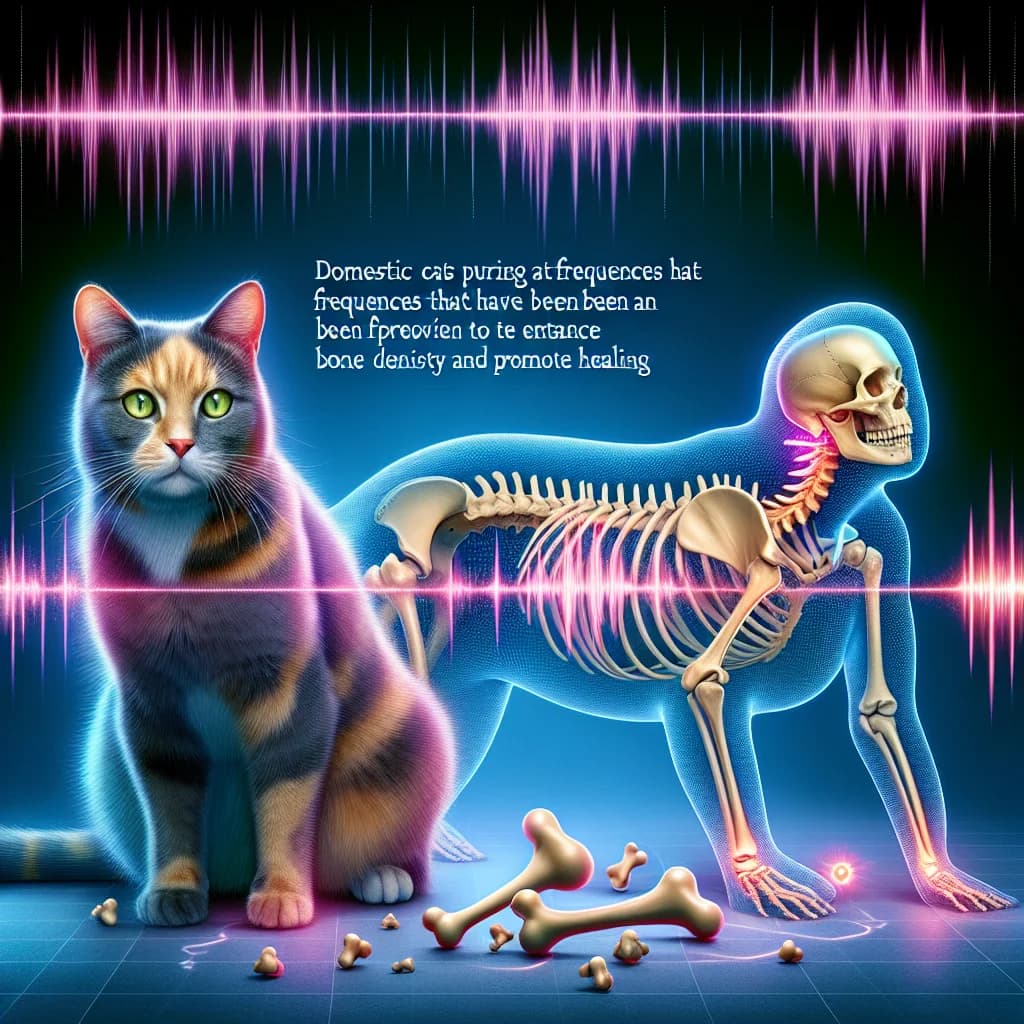
Cats purr at frequencies between 25 and 150 Hertz as an evolutionary survival mechanism to strengthen bones, repair tendons, and promote tissue healing during periods of rest and inactivity.
The Healing Vibration: Why do pet cats purr at frequencies that have been scientifically shown to improve bone density and promote healing?
For centuries, the feline purr has been synonymous with a happy, contented cat. However, any seasoned veterinarian or observant owner knows that cats also purr when they are stressed, injured, or even in labor. This biological paradox suggests that the purr is far more than a simple expression of joy; it is a sophisticated, internal therapeutic mechanism. Recent bioacoustic research has delved into the specific frequencies of these vibrations, leading to the fascinating question: Why do pet cats purr at frequencies that have been scientifically shown to improve bone density and promote healing? Understanding the physiological impact of these frequencies provides a deeper appreciation for feline biology and the unique role cats play in the lives of their human companions. This blog post explores the science behind the purr, its evolutionary purpose, and its documented medical benefits.
The Mechanics and Frequencies of the Purr
The domestic cat (Felis catus) produces a purr through a neural oscillator in the brain that sends signals to the laryngeal muscles. These muscles twitch at a rate of 25 to 150 times per second (Hertz), causing the vocal folds to separate during both inhalation and exhalation. This creates a continuous, rhythmic vibration.
Research in the field of bioacoustics has identified that the dominant frequencies for most feline purrs fall between 25 Hz and 150 Hz. Within this range, specific frequencies have been found to correspond directly to medical healing rates:
- 25–50 Hz: Optimal for strengthening bone and promoting bone density.
- 100–120 Hz: Frequently used in therapeutic medicine to help repair soft tissues, including tendons and ligaments.
- Above 120 Hz: Associated with the reduction of pain and the management of chronic inflammation.
The Evolutionary Advantage: A Survival Mechanism
From an evolutionary perspective, the ability to heal through sound is a brilliant survival strategy. Cats are sedentary predators that spend a significant portion of their day sleeping or resting to conserve energy for short, intense bursts of hunting. This lifestyle, however, carries a risk: prolonged inactivity can lead to bone density loss and muscle atrophy.
Scientists hypothesize that purring evolved as a low-energy way to keep bones and tissues healthy during long periods of rest. By vibrating their entire body, cats provide their musculoskeletal system with the mechanical stimulation needed to maintain strength without the caloric cost of movement. This "vibratory medicine" allows a cat to recover faster from injuries and maintain peak physical condition, a clear advantage for a solitary hunter in the wild.
Clinical Evidence: Bone Density and Tissue Repair
The claim that feline purr frequencies promote healing is backed by several studies in animal science and human orthopedics. For decades, researchers have used "vibration therapy" to treat various conditions in humans, often mimicking the exact hertz levels found in a cat’s purr.
- Bone Density: Studies have shown that exposure to frequencies between 25 and 50 Hz increases bone marrow production and stimulates the growth of new bone tissue. This is particularly relevant in treating osteoporosis and non-union fractures.
- Wound Healing: Clinical data suggests that the mechanical stimulation of 100 Hz vibrations can decrease edema (swelling) and promote the formation of granulation tissue, which is essential for closing wounds.
- Joint Mobility: Regular exposure to these frequencies helps maintain joint flexibility and reduces the accumulation of scar tissue, which is vital for cats as they age and become prone to osteoarthritis.
Impact on the Human-Animal Bond
The benefits of the purr are not limited to the feline species. The presence of a purring cat has been scientifically linked to lower blood pressure and reduced stress levels in humans. Because the human ear can perceive and the body can feel these low-frequency vibrations, sitting with a purring cat can induce a state of physiological relaxation. While the "healing" effect on human bones is still a subject of ongoing research, the psychological and cardiovascular benefits of feline companionship are well-documented in veterinary and psychological literature.
Conclusion
The feline purr is one of nature's most efficient biological tools. By understanding why do pet cats purr at frequencies that have been scientifically shown to improve bone density and promote healing, we move beyond the myth that purring is merely a sign of a "happy cat." Instead, we recognize it as a vital survival mechanism that facilitates recovery and maintains physical integrity. For owners, this knowledge underscores the importance of a calm environment where a cat feels safe enough to utilize its natural healing abilities. By respecting and understanding these biological nuances, we can better support the health and well-being of our feline companions. If you notice changes in your cat’s purring habits or overall mobility, always consult with a veterinary professional to ensure they receive evidence-based care.