Why do pet dog paws often smell like corn chips because of specific bacteria living between their toes
Ever wondered why your pup’s paws smell exactly like a fresh bag of Fritos? Dive into the fascinating science behind "corn chip feet" and discover the microscopic secret living right between your dog's toes.

Too Long; Didn't Read
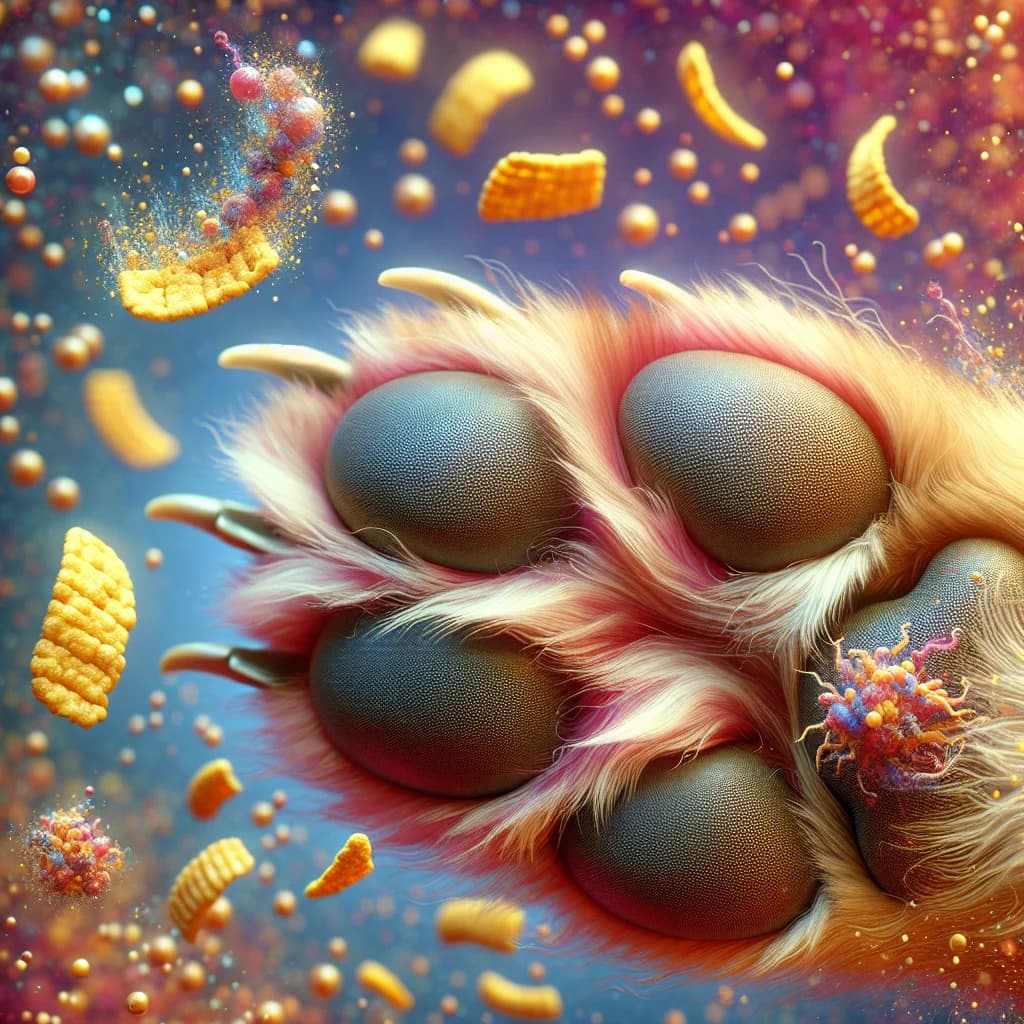
Dog paws often smell like corn chips due to natural bacteria, specifically Pseudomonas and Proteus, that thrive in the warm, moist environment between their toes. This common phenomenon is a harmless byproduct of these microbes and is a normal part of a healthy dog's skin microbiome.
The Science of "Frito Feet": Why Do Pet Dog Paws Often Smell Like Corn Chips Because of Specific Bacteria Living Between Their Toes?
If you have ever spent a quiet afternoon cuddling with your canine companion, you may have noticed a peculiar, savory aroma emanating from their feet. This scent, widely described by pet owners as smelling remarkably like corn chips or popcorn, is so common that it has earned the nickname "Frito Feet." While it might seem like a strange quirk of canine biology, this scent is actually a fascinating byproduct of the microscopic ecosystem living on your dog’s skin.
Understanding the origin of this odor is more than just a point of curiosity; it is an essential part of monitoring your pet’s dermatological health and overall welfare. The human-animal bond thrives on close contact, and knowing what is normal for your dog’s microbiome helps you identify when something is amiss. This blog post will explore the specific biological and bacterial factors that cause this corn chip scent and provide evidence-based guidelines for maintaining healthy paw hygiene.
The Microbial Culprits: Pseudomonas and Proteus
The primary reason why do pet dog paws often smell like corn chips because of specific bacteria living between their toes relates to two common genera of bacteria: Pseudomonas and Proteus. These microorganisms are natural inhabitants of the environment, found frequently in soil and water, and they inevitably find a home on your dog’s skin through daily walks and exploration.
- Pseudomonas: These bacteria are known for producing a distinct, slightly sweet or yeasty odor that many people perceive as corn-like.
- Proteus: Often found alongside Pseudomonas, these bacteria produce a similar scent that contributes to the savory, snack-like bouquet of a dog’s paw.
In a healthy dog, these bacteria exist in a delicate balance. They are part of the normal "skin flora," which serves as a biological barrier against more harmful pathogens. The scent is a result of the metabolic byproducts these bacteria release as they consume organic matter on the skin's surface.
Why the Paws? The Ideal Microbial Incubator
You may wonder why the "corn chip" smell is concentrated on the paws rather than the rest of the dog’s body. The answer lies in canine anatomy and physiology. Unlike humans, who have sweat glands all over their bodies, dogs primarily dissipate heat through panting and through eccrine sweat glands located in their paw pads.
The anatomy of the paw creates a perfect "incubator" for bacteria:
- Moisture: Sweat from the paw pads provides the humidity bacteria need to thrive.
- Heat: The crevices between the toes and the fur surrounding the pads trap body heat.
- Limited Airflow: Because the toes are often held close together, there is very little circulation to dry out the area, allowing the bacterial population to flourish and produce the concentrated scent.
Distinguishing Healthy Microbiomes from Infections
While a mild corn chip odor is perfectly normal and generally indicates a healthy, balanced microbiome, it is important for owners to distinguish this from signs of a medical issue. Veterinary dermatology often points to the overgrowth of yeast, specifically Malassezia, as a common cause of paw irritation.
| Symptom | Healthy "Frito Feet" | Potential Infection (Pododermatitis) | | :--- | :--- | :--- | | Scent | Mild, corn-like, or popcorn-like. | Pungent, "cheesy," or foul/rotten smell. | | Behavior | Normal walking and grooming. | Excessive licking, biting, or limping. | | Appearance | Clean skin, no redness. | Redness, swelling, or moist discharge. | | Texture | Smooth pads, soft fur. | Crusty skin, hair loss, or bumps. |
If the odor becomes overwhelming or is accompanied by any of the symptoms in the "Infection" column, it may indicate an imbalance or an allergic reaction, requiring a consultation with a veterinarian.
Evidence-Based Paw Care Guidelines
To keep your dog’s paws healthy and the bacterial populations in check, animal science professionals recommend a few simple hygiene practices:
- Keep Paws Dry: After walks in the rain or baths, ensure you dry the spaces between your dog’s toes thoroughly. Moisture is the primary driver of bacterial and fungal overgrowth.
- Maintain Moderate Grooming: Trimming the "tufts" of hair between the paw pads can improve airflow and reduce the amount of trapped moisture and debris.
- Regular Cleaning: For dogs with allergies or a tendency toward paw irritation, a gentle, veterinarian-approved antiseptic wipe or a simple water rinse after outdoor activity can remove excess environmental bacteria.
Conclusion
The phenomenon of "Frito Feet" is a harmless and scientifically explainable aspect of canine biology. By understanding that why do pet dog paws often smell like corn chips because of specific bacteria living between their toes is a result of natural Pseudomonas and Proteus populations, owners can appreciate the complex microscopic world their pets carry with them.
Recognizing this scent as a normal byproduct of a dog’s eccrine sweat glands and skin flora allows for better health monitoring. As long as the aroma remains mild and the skin appears healthy, you can rest assured that those corn-chip-scented paws are just another unique part of your dog's identity. However, always remain vigilant for changes in odor or behavior, and do not hesitate to consult your veterinarian if you suspect an infection. Responsible pet ownership begins with understanding the small details of your animal's biology.