Why do pet dogs and cats possess a belly button that appears as a small faint flat scar
Ever searched for your pet's belly button only to find a mysterious, faint scar instead? Discover the surprising biological reason behind this hidden mark and why it looks so different from our own.

Too Long; Didn't Read
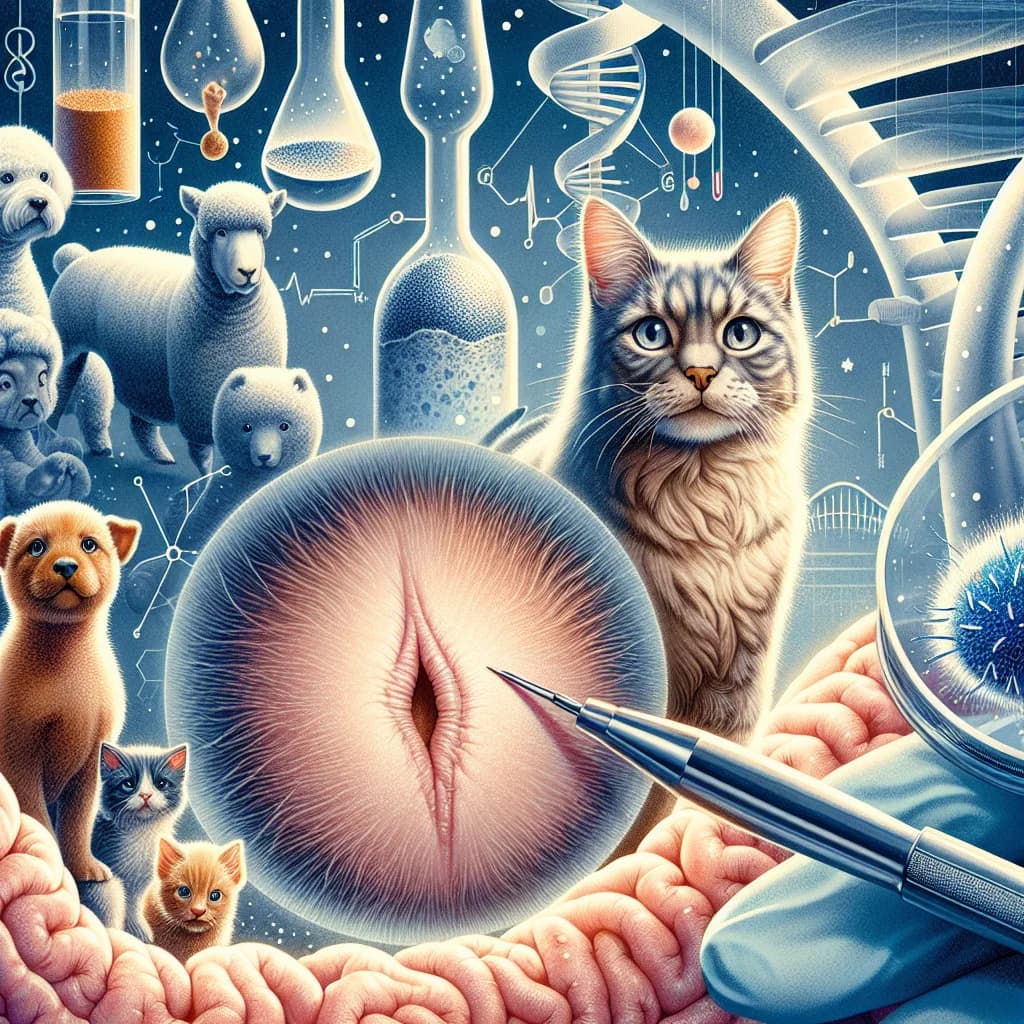
Just like humans, dogs and cats have belly buttons marking where the umbilical cord connected them to their mother in the womb. Their navels heal as small, flat scars rather than deep pits because of their unique anatomy and the way their skin repairs itself after birth.
The Mystery of the Umbilicus: Why Do Pet Dogs and Cats Possess a Belly Button That Appears as a Small Faint Flat Scar?
Every dog and cat owner has likely spent time rubbing their pet’s belly, yet many remain unaware that their furry companions share a distinct biological feature with humans: a belly button. Unlike the prominent "innie" or "outie" found on a human abdomen, the feline and canine versions are often elusive. This leads many owners to wonder: Why do pet dogs and cats possess a belly button that appears as a small faint flat scar?
Understanding this anatomical feature is more than just a matter of curiosity; it is a fundamental aspect of mammalian biology and neonatal development. Recognizing the normal appearance of a pet’s umbilicus is essential for responsible husbandry, as it helps owners distinguish between healthy scar tissue and potential medical issues like hernias. This blog post will explore the biological origins, the healing process, and the practical reasons why these navels remain so discreet.
The Biological Origin: The Role of the Placental Connection
To understand why dogs and cats have belly buttons, we must look at their beginnings as placental mammals. During gestation, kittens and puppies develop inside the mother’s uterus, housed within individual amniotic sacs. They are connected to the mother’s placenta via an umbilical cord.
The umbilical cord serves as a vital life-support system, transporting oxygen-rich blood and essential nutrients from the mother to the developing fetus while carrying away metabolic waste products. Every nutrient a puppy or kitten receives before birth passes through this specific point on the abdomen. Therefore, the "belly button" is not a functional organ in adulthood but rather the remnant of this essential intrauterine connection.
The Post-Natal Transition: How the Scar Forms
The primary reason why pet dogs and cats possess a belly button that appears as a small faint flat scar, rather than a deep indentation, lies in the way the cord is severed and healed.
Natural Severance
In the wild and in domestic settings, the mother (the queen for cats or the bitch for dogs) typically bites through the umbilical cord shortly after each offspring is born. She then consumes the placenta. This natural process leaves a small stump of tissue attached to the neonate's abdomen.
The Healing Process
Unlike human medical procedures where the cord is clamped and cut, leaving a significant amount of tissue to wither, the maternal severance is often very close to the skin. Over the first few days of life, the remaining stump dries up and falls off naturally. Because the abdominal muscles in quadrupedal animals (animals that walk on four legs) knit together tightly to support the weight of their internal organs against gravity, the resulting site heals into a flat, thin line of fibrous connective tissue.
How to Locate and Identify a Healthy Umbilicus
If you are looking for your pet's belly button, you won't find it in the center of a "waist" as you would on a human. Instead, it is located on the midline of the abdomen, usually just below the ribcage and above the pelvic area.
To identify it, look for:
- A Small Tuft or Swirl: Often, the hair or fur will whorl in a circular pattern around the site.
- A Thin, Flat Area: Underneath the fur, the skin may feel slightly thicker or smoother than the surrounding tissue.
- Lack of Protrusion: A healthy canine or feline umbilicus should not bulge; it should be flush with the abdominal wall.
Clinical Considerations: When the Scar is Not Flat
While most dogs and cats have a faint, flat scar, some may develop an umbilical hernia. This occurs when the abdominal wall fails to close completely around the site where the umbilical cord entered. This can result in a protrusion of fat or, in more severe cases, abdominal organs.
Veterinary science categorizes these as:
- Reducible Hernias: The bulge can be gently pushed back into the abdomen.
- Non-reducible (Strangulated) Hernias: The tissue is trapped, which can cut off blood supply and requires immediate veterinary intervention.
If your pet's "faint flat scar" suddenly appears as a soft lump, it is vital to consult a veterinarian during a routine check-up or spay/neuter procedure.
Conclusion
It is a fascinating biological fact that our pets carry a permanent reminder of their first moments of life. Why do pet dogs and cats possess a belly button that appears as a small faint flat scar? The answer lies in their efficient mammalian healing process and the structural requirements of their abdominal muscles.
Recognizing this small, inconspicuous mark is a sign of an observant and informed pet owner. By understanding what a normal, healthy umbilicus looks and feels like, you are better equipped to monitor your pet’s health and ensure their continued well-being. During your next grooming session or belly rub, take a moment to appreciate this subtle biological wonder—the flat, faint scar that represents the very beginning of your pet’s journey.