Why do pet dogs catch contagious yawns from their owners as a sign of emotional empathy and social bonding
When your dog catches your yawn, they’re doing more than just acting sleepy—they’re actually mirroring your emotions through a deep, psychological bond of empathy. Discover the heartwarming science behind this "contagious" reflex and what it reveals about the profound connection you share with your furry best friend.


Too Long; Didn't Read
Dogs catch contagious yawns from their owners as a reflex of emotional empathy and social bonding. This behavior suggests that dogs are deeply tuned into human physiological cues, using mimicry to strengthen their cross-species relationship and demonstrate an intuitive emotional alignment with their companions.
Beyond Tiredness: Why Do Pet Dogs Catch Contagious Yawns from Their Owners as a Sign of Emotional Empathy and Social Bonding?
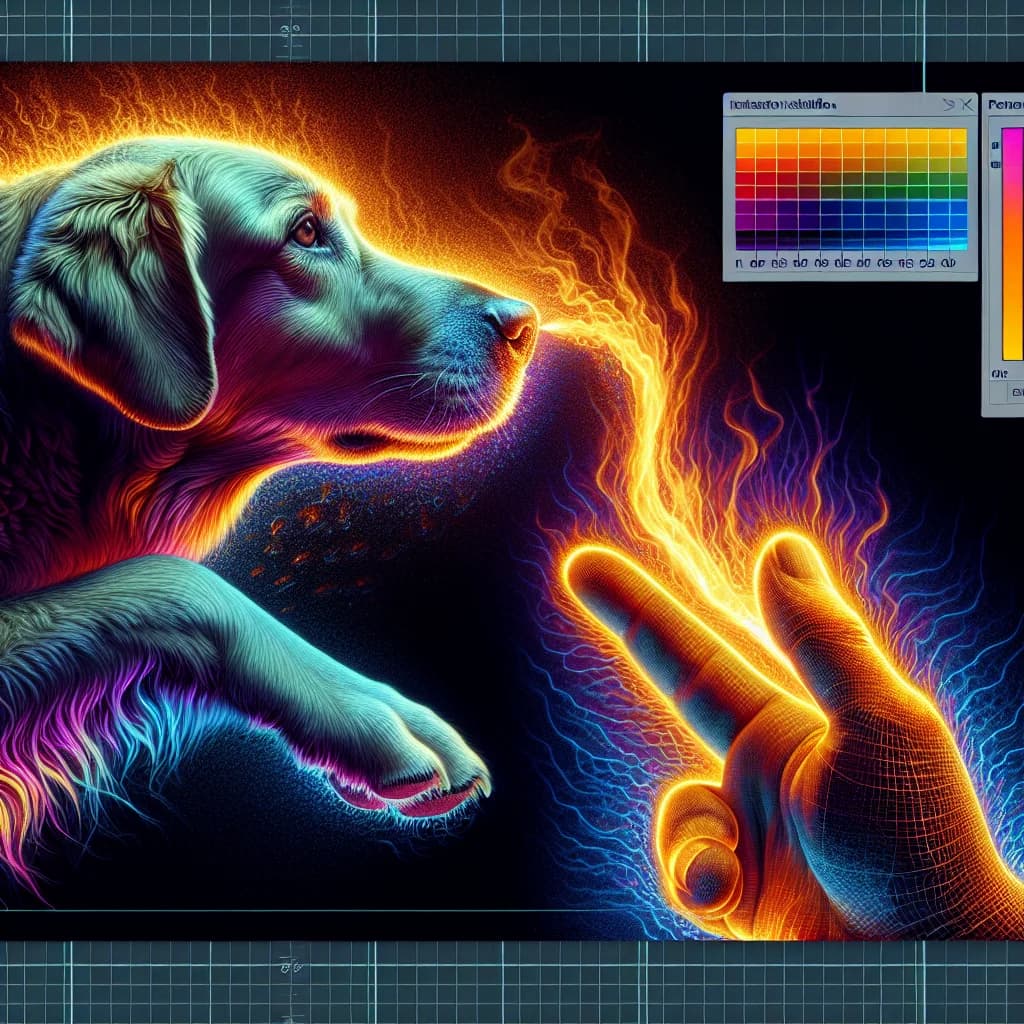
You settle onto the sofa after a long day, let out a wide yawn, and moments later, your canine companion follows suit. While it is easy to dismiss this as mere coincidence or shared sleepiness, science suggests a much deeper connection. For over 30,000 years, dogs have evolved alongside humans, developing a unique ability to read our gestures, tone of voice, and even our physiological states. The phenomenon of contagious yawning is one of the most fascinating windows into the canine mind. Understanding why do pet dogs catch contagious yawns from their owners as a sign of emotional empathy and social bonding provides invaluable insight into the sophisticated social intelligence of our pets and the profound biological bridge that connects our two species. This post explores the evolutionary, neurological, and emotional drivers behind this shared behavior.
The Science of Echophenomena: What is a Contagious Yawn?
In the world of animal behavior, contagious yawning is classified as a type of "echophenomenon"—the automatic imitation of another’s actions. While spontaneous yawning occurs in almost all vertebrates to regulate brain temperature or signal a change in state, contagious yawning is rare, observed primarily in highly social species like humans, chimpanzees, and dogs.
Unlike a spontaneous yawn, which is a physiological reflex, a contagious yawn is triggered by a social cue. Research in cognitive science suggests that this behavior is linked to "motor empathy," where an individual involuntarily mimics the actions of another to foster social cohesion. In dogs, this response is not just a biological glitch; it is a specialized communicative tool honed by millennia of domestication.
The Familiarity Effect: Why Your Bond Matters
One of the most compelling reasons why do pet dogs catch contagious yawns from their owners as a sign of emotional empathy and social bonding is the "familiarity effect." Multiple studies, including a landmark 2013 study from the University of Tokyo, have demonstrated that dogs are significantly more likely to yawn in response to their owners than to a complete stranger.
- Emotional Proximity: The strength of the bond correlates with the frequency of the yawn. Dogs that are more securely attached to their owners show a higher rate of contagion.
- Auditory Triggers: Dogs don’t even need to see the yawn; the sound of a familiar person yawning can trigger a response, suggesting that the dog is mentally processing the owner’s state.
- Oxytocin’s Role: Often called the "love hormone," oxytocin is released in both humans and dogs during positive interactions. Higher levels of oxytocin are believed to increase a dog’s sensitivity to social cues, making them more likely to "catch" a yawn.
Neurology and the Mirror Neuron System
At the heart of this behavior lies the mirror neuron system. These are specialized brain cells that fire both when an animal performs an action and when it observes that same action performed by another. In the canine brain, mirror neurons allow dogs to "map" the actions of humans onto their own bodies.
When you yawn, your dog’s mirror neurons simulate that action. This neural mirroring is the biological foundation for empathy, allowing dogs to not only recognize what we are doing but to feel a version of it themselves. This cross-species emotional resonance is a primary reason why dogs are so effective as emotional support animals; they are literally wired to sync with our internal states.
Distinguishing Between Empathy and Stress
It is important for pet owners to distinguish between contagious yawning and "displacement yawning." In canine body language, a yawn can often be a "calming signal" used to dissipate internal stress or de-escalate a perceived threat.
- Stress Yawning: Occurs in high-pressure environments (like a vet visit), is often accompanied by lip licking, pinned-back ears, or panting, and is not a response to a human yawn.
- Contagious Yawning: Occurs in relaxed environments, lacks signs of physiological distress, and follows a human yawn within seconds.
By recognizing the difference, owners can better understand their dog's emotional health and appreciate the moments of true social mimicry.
Conclusion
Understanding why do pet dogs catch contagious yawns from their owners as a sign of emotional empathy and social bonding reveals the incredible depth of the human-canine relationship. It is more than just a quirky habit; it is a testament to the evolutionary journey dogs have taken to become our closest companions. This shared behavior highlights their capacity for empathy and their neurological drive to remain in sync with their "pack leaders."
Recognizing these subtle signs of connection can enhance animal welfare by fostering a deeper appreciation for canine emotional intelligence. The next time your dog yawns back at you, take a moment to appreciate the invisible thread of empathy that binds you together. For those looking to further strengthen their bond, continue to observe your dog’s subtle social cues and consult with behavioral professionals to explore the many ways dogs communicate their devotion.