Why do pet dogs experience a surge of oxytocin simply by making eye contact with their human owners
Discover the hidden biological "love loop" that triggers a surge of oxytocin every time you lock eyes with your dog. It’s more than just a glance; it’s an evolutionary phenomenon that proves your bond is literally hardwired into your chemistry.

Too Long; Didn't Read
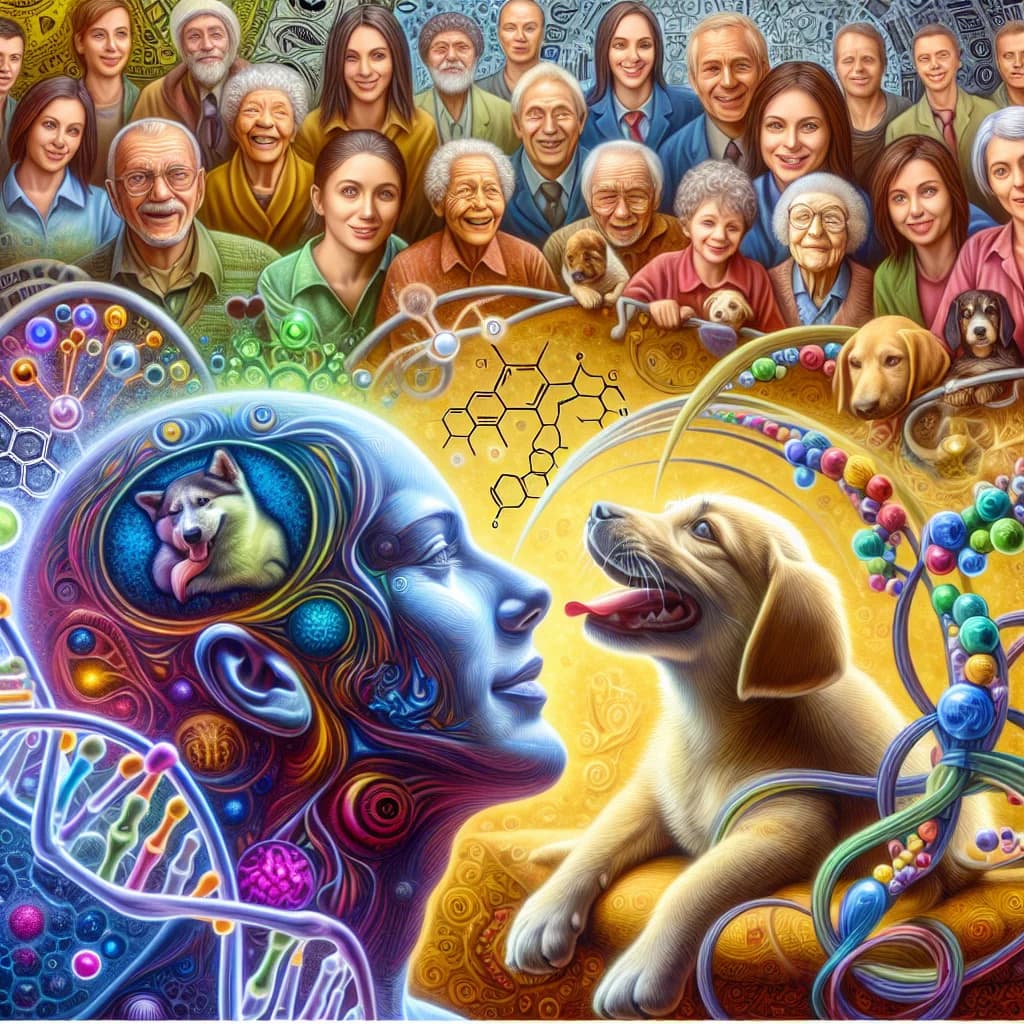
Eye contact between dogs and humans triggers a mutual release of oxytocin, creating a biological feedback loop similar to the bond between human parents and infants. This evolutionary adaptation strengthens their emotional connection and reinforces a sense of trust and social bonding between the two species.
The Science of the Stare: Why Do Pet Dogs Experience a Surge of Oxytocin Simply by Making Eye Contact with Their Human Owners?
For thousands of years, humans and dogs have shared a bond unlike any other in the animal kingdom. While we often describe this connection in emotional terms, such as loyalty and love, modern science has revealed that the foundation of this relationship is deeply rooted in biology. One of the most fascinating aspects of this connection is the "gaze-triggered" hormonal response. When a dog looks into its owner’s eyes, it isn't just seeking a treat or a walk; it is participating in a sophisticated biological feedback loop. Understanding why pet dogs experience a surge of oxytocin simply by making eye contact with their human owners provides essential insight into canine evolution, animal welfare, and the unique mechanics of the human-animal bond. This post explores the physiological and evolutionary drivers behind this remarkable cross-species phenomenon.
The Chemistry of the Biological Bond: What is Oxytocin?
To understand the surge of hormones during eye contact, we must first define the primary chemical involved: oxytocin. Often referred to as the "love hormone" or the "cuddle chemical," oxytocin is a neuropeptide produced in the hypothalamus and released by the pituitary gland. In mammals, it plays a critical role in social bonding, trust, and maternal behaviors.
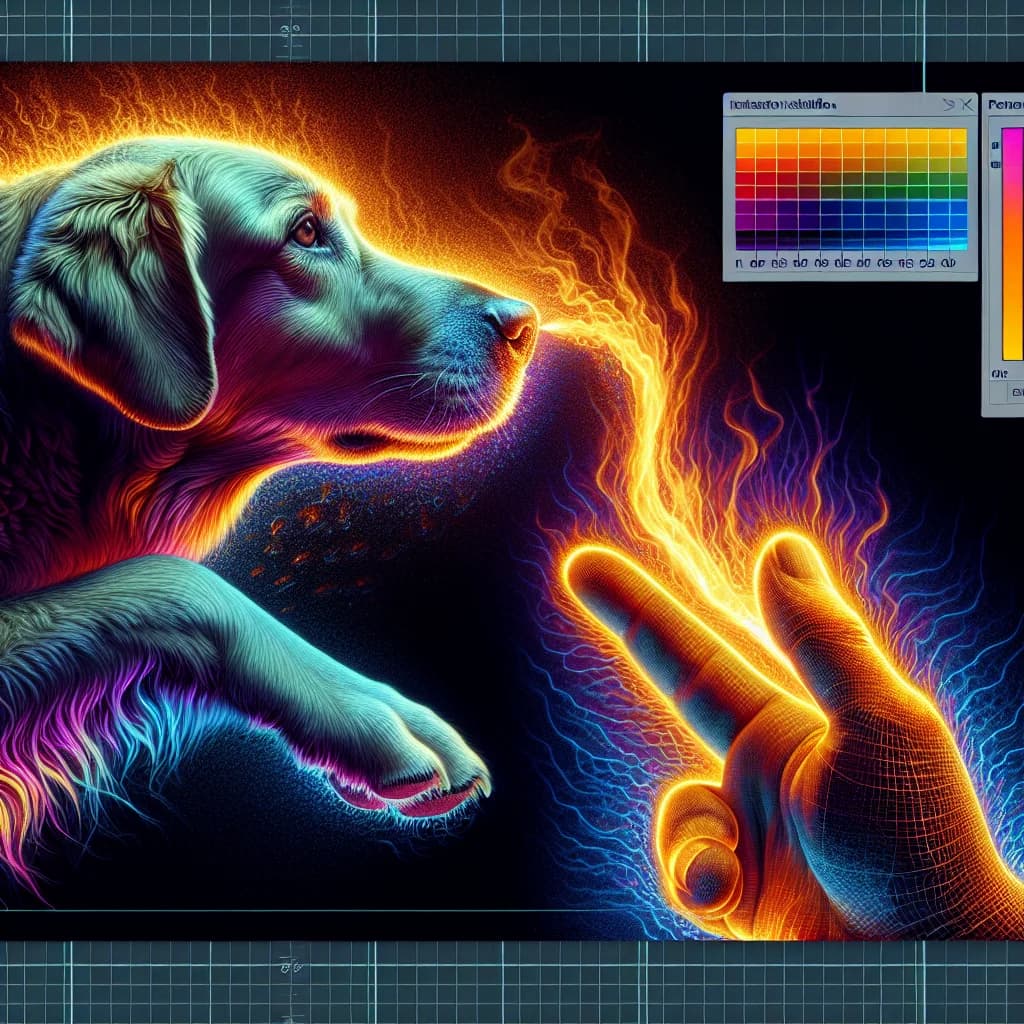
When a dog and a human share a long, relaxed gaze, it triggers what researchers call a "positive-feedback loop." As the dog looks at the human, the human's oxytocin levels rise, prompting them to provide more affection and attention. In response, the dog’s oxytocin levels also spike, creating a self-sustaining cycle of chemical reinforcement. This process is identical to the bonding mechanism observed between human mothers and their infants, suggesting that dogs have effectively hijacked a biological pathway originally designed for human-to-human attachment.
The Evolutionary Shift: From Wolves to Best Friends
The ability of dogs to use eye contact as a bonding tool is a direct result of the domestication process. To appreciate this, one must compare the behavior of domestic dogs (Canis lupus familiaris) with their closest wild relatives, wolves (Canis lupus).
- Wolves and Eye Contact: In the wild, prolonged eye contact is typically perceived as a threat or a challenge for dominance. Even wolves raised by humans from birth rarely maintain eye contact with their caregivers.
- The Domestication Advantage: During the process of domestication, dogs that were more sensitive to human social cues—including gaze—were more likely to receive food, protection, and shelter.
- Facial Anatomy: Recent studies have even identified a specific muscle in dogs, the levator anguli oculi medialis, which allows them to raise their inner eyebrows. This "puppy dog eyes" expression mimics human sadness and triggers a nurturing response in people, further facilitating the eye-contact bond.
Scientific Findings: The 2015 Kikusui Study
The most significant evidence regarding this topic comes from a landmark study published in the journal Science in 2015, led by Takefumi Kikusui of Azabu University in Japan. The study tracked the interactions between 30 dogs and their owners.
Key findings included:
- Oxytocin Spikes: Owners whose dogs gazed at them the longest experienced a 300% increase in oxytocin levels. Meanwhile, the dogs themselves experienced a 130% surge.
- Species Specificity: When the experiment was repeated with hand-raised wolves, no such oxytocin loop was found, regardless of the level of familiarity between the wolf and the human.
- Behavioral Modification: When researchers administered oxytocin to dogs via a nasal spray, the dogs (particularly females) spent more time gazing at their owners, which subsequently boosted the owners' oxytocin levels.
Practical Implications for Dog Owners
Recognizing that eye contact is a biological tool for bonding can help owners improve their dogs' well-being and training outcomes. However, it is important to apply this knowledge correctly:
- Positive Reinforcement: Mutual gazing can be used during calm moments to reduce stress and strengthen the relationship.
- Respect Boundaries: While a "soft" gaze is bonding, a "hard" stare (fixed, unblinking eyes) can still be perceived as threatening by some dogs, particularly those that are fearful or poorly socialized.
- Stress Reduction: Utilizing eye contact during veterinary visits or thunderstorms can help a dog feel more secure by triggering that calming oxytocin release.
Conclusion
The reason why pet dogs experience a surge of oxytocin simply by making eye contact with their human owners lies in a unique evolutionary adaptation. By co-opting the same neural pathways that facilitate human maternal bonding, dogs have secured their place as our primary animal companions. This biological feedback loop not only explains the profound emotional depth of our relationship with dogs but also highlights the importance of positive, gaze-based interaction for canine welfare. Understanding this science allows owners to foster a deeper, more empathetic connection with their pets. As you move forward in your journey of pet ownership, remember that a simple look can be the most powerful way to say "I love you" in the language of biology.