Why do pet dogs frequently sneeze while play-fighting to signal that their behavior is not a real threat
That sudden mid-wrestle sneeze isn’t an allergy—it’s actually a genius "play signal" your dog uses to say, "I'm just kidding!" Discover the fascinating reason why this tiny sound is the ultimate peace treaty in the world of canine combat.


Too Long; Didn't Read
Dogs sneeze during play-fighting as a communication tool to signal that their behavior is just for fun and not a real threat, helping to prevent misunderstandings or escalation into actual aggression.
Why Do Pet Dogs Frequently Sneeze While Play-Fighting to Signal That Their Behavior Is Not a Real Threat?
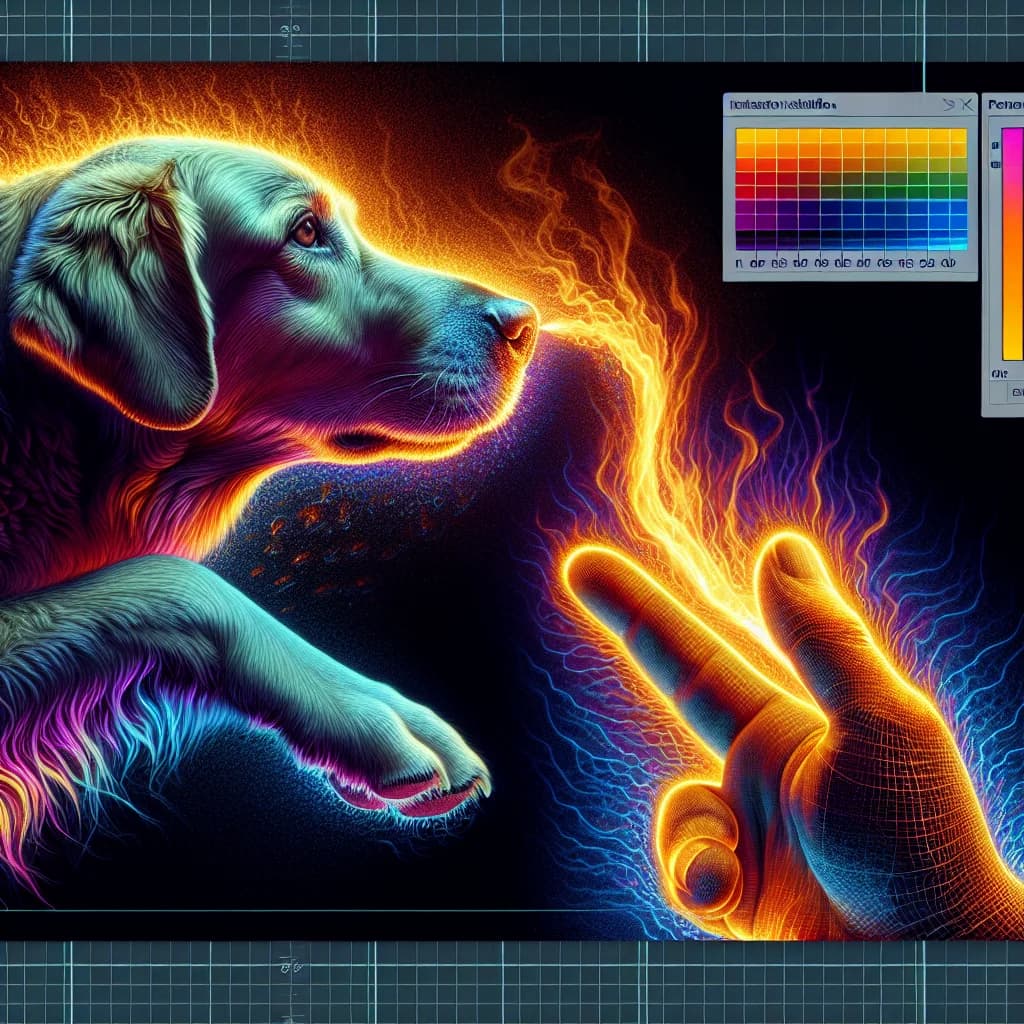
If you have ever engaged in a spirited game of tug-of-war or watched two canines romp at a local park, you have likely witnessed a peculiar phenomenon: the "play sneeze." In the heat of a wrestling match, a dog will often pause to emit a sharp, huffy sneeze that seems entirely out of place. While it may look like a sudden bout of hay fever, this behavior is actually a sophisticated form of canine communication. This ritualized exhalation is an essential tool in a dog’s social repertoire, evolved over millennia of domestication and pack living. Understanding why dogs sneeze during play is vital for any pet owner, as it offers a window into their emotional intelligence and the complex ways they maintain social harmony.
The primary purpose of this blog post is to explore the biological and behavioral science behind the "play sneeze," explaining how it serves as a crucial signal to ensure that high-energy interactions remain safe and non-threatening.
The Science of Metacommunication
In the field of ethology—the study of animal behavior—the play sneeze is classified as a form of "metacommunication." This term refers to "communication about communication." For dogs, play often involves mimicking dangerous activities, such as predatory stalking, biting, and pinning. Without a way to clarify their intentions, these actions could easily be misinterpreted by a play partner as genuine aggression.
The play sneeze acts as a "disclaimer." By sneezing, a dog is essentially telling its partner, "I am biting you, but this is not a real attack; it is only a game." This signal helps prevent the "fight or flight" response from being triggered in the other dog, allowing the vigorous physical activity to continue without escalating into a real conflict.
Distinguishing the Play Sneeze from Physical Irritation
It is important to distinguish a behavioral sneeze from a physiological one. While dogs do sneeze due to dust, pollen, or nasal irritants, the play sneeze has distinct characteristics:
- Context: It occurs exclusively during high-excitement or physical social interactions.
- Body Language: Play sneezes are usually accompanied by "loose" body language, such as a wagging tail, a relaxed mouth (the "play grin"), or a "play bow" (front legs down, rear end up).
- Intensity: These sneezes are often shorter and shallower than a sneeze caused by an upper respiratory infection or an allergen.
Biologically, the play sneeze is often triggered by the way a dog wrinkles its nose during excitement. When dogs play, they often curl their lips and "scrunch" their snouts. This physical contraction can irritate the nasal passages slightly, but the dog leans into this sensation to produce the audible sneeze as a social cue.
The Role of Calming Signals in Social Stability
Canine behaviorist Turid Rugaas popularized the concept of "calming signals"—subtle physical cues dogs use to avoid conflict and communicate peaceful intentions. The play sneeze is a primary example of these signals. Because dogs lack verbal language, they rely on a complex sequence of pauses, yawns, licks, and sneezes to negotiate their social standing and maintain peace within a group.
In multi-dog households or social environments like dog parks, observing these sneezes is a sign of a healthy, well-socialized animal. A dog that sneezes during play demonstrates high emotional intelligence; it is actively monitoring the comfort level of its partner and providing reassurance that the play is consensual.
Practical Implications for Dog Owners
Recognizing the play sneeze can significantly improve how humans interact with and manage their pets. Here are a few evidence-based guidelines for applying this knowledge:
- Monitor Play Intensity: If two dogs are playing and you hear frequent sneezing, it is generally a sign that the interaction is going well. If the sneezing stops and is replaced by stiff bodies, fixed stares, or low-pitched growling, the play may have transitioned into a genuine threat.
- Human-Dog Interaction: You can actually "sneeze back" at your dog during a game. Many trainers suggest that mimicking a play sneeze can help calm an over-excited dog or signal to a shy dog that you are not a threat.
- Identify Stress: Sometimes, a dog may sneeze if they are feeling slightly overwhelmed. It serves as a "reset button" to break the tension of a high-energy moment.
Conclusion
The "play sneeze" is far more than a simple reflex; it is a vital component of canine social dynamics that facilitates safe, cooperative play. By signaling that their behavior is not a real threat, dogs use this huffy exhalation to navigate the thin line between mock-aggression and genuine combat. Understanding this behavior allows pet owners to better interpret their dogs' intentions and ensures that social interactions remain positive and enriching. Recognizing these subtle nuances in canine communication is a hallmark of responsible ownership and deepens the unique bond we share with our domestic companions. If you ever have concerns about your dog’s social behavior or respiratory health, always consult with a certified animal behaviorist or a veterinary professional.