Why do pet dogs have an involuntary scratch reflex that makes their leg kick when their belly is rubbed
Ever wondered why hitting your dog's "sweet spot" sends their leg into a wild, involuntary kick? It’s more than just a cute reaction—it’s a fascinating neurological survival tactic hidden deep within their nervous system.


Too Long; Didn't Read
The leg kick is an involuntary scratch reflex triggered by nerve endings under the skin. This evolutionary defense mechanism is hard-wired into the spinal cord to help dogs automatically flick away potential irritants like pests, fleas, or parasites.
The Science of the "Sweet Spot": Why Do Pet Dogs Have an Involuntary Scratch Reflex That Makes Their Leg Kick When Their Belly Is Rubbed?
It is one of the most endearing sights for any dog owner: you find that specific patch of fur on your dog’s belly, begin to scratch, and suddenly their hind leg begins to thrum against the floor in a rhythmic "bicycle kick." While we often interpret this as a sign of pure bliss, this behavior is actually a complex physiological reaction known as the scratch reflex. This involuntary response is more than just a quirky habit; it is a finely tuned survival mechanism hardwired into the canine nervous system. Understanding why do pet dogs have an involuntary scratch reflex that makes their leg kick when their belly is rubbed provides fascinating insight into canine biology and helps owners better interpret their pets' physical cues. This post explores the neurological pathways and evolutionary history behind this common behavior to deepen our appreciation of the human-animal bond.
The Neural Circuitry: Understanding the Scratch Reflex
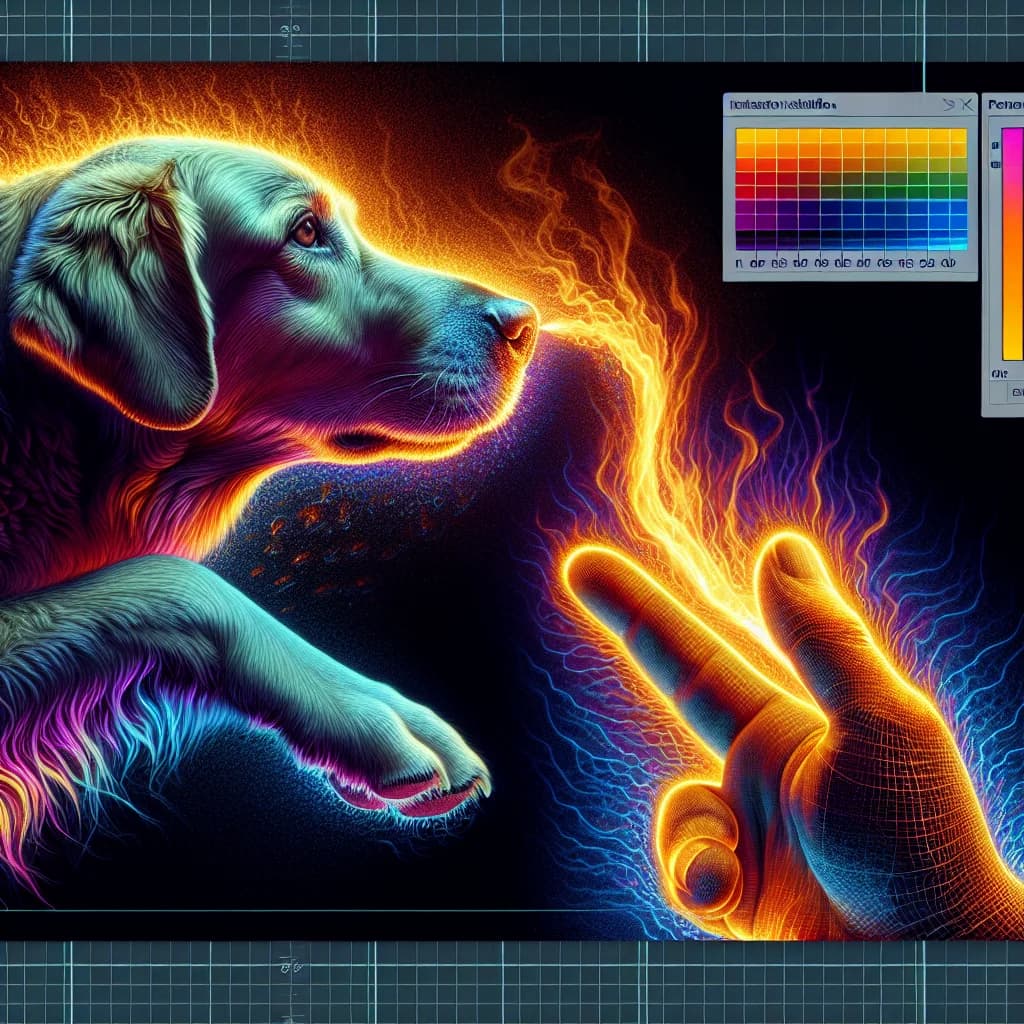
The "kick" is technically an involuntary spinal reflex. Unlike behaviors that require a conscious decision from the brain—such as sitting on command or fetching a ball—the scratch reflex bypasses the higher processing centers of the brain. When you rub or scratch a dog’s belly, you stimulate sensory neurons just beneath the surface of the skin. These neurons send electrical signals directly to the spinal cord.
Inside the spinal cord, these signals reach a cluster of nerves called the "central pattern generator." This network of neurons is responsible for coordinating rhythmic movements, such as walking or, in this case, scratching. The spinal cord then sends an immediate message back to the muscles in the hind leg to contract and relax in a repetitive motion. Because the signal does not have to travel all the way to the brain and back, the response is instantaneous. This is functionally very similar to the "knee-jerk" reflex (patellar reflex) humans experience during a physical exam at a doctor's office.
Evolution and Survival: Why the Reflex Exists
From an evolutionary perspective, the scratch reflex is an essential survival tool. In the wild, dogs and their ancestors (such as wolves) were constantly exposed to external parasites, including fleas, ticks, and biting flies. These pests are not merely an annoyance; they carry diseases that can be fatal.
The scratch reflex evolved as a rapid-response system to rid the body of these irritants. If a biting insect lands on a sensitive area where the dog cannot easily see, the involuntary kick allows the animal to dislodge the pest before it can bite or burrow.
- Speed of Action: By keeping the reflex loop within the spinal cord, the dog can react faster than if the brain had to process the sensation first.
- Protection of Vulnerable Areas: The reflex is most prominent on the belly and ribcage—areas where the skin is thinner and vital organs are less protected by heavy muscle or bone.
- Automated Grooming: It ensures that even if a dog is distracted or sleeping, its body can still defend against environmental irritants.
Diagnostic Value: What Your Dog’s Kick Tells Veterinarians
While the scratch reflex is a source of amusement for owners, it serves as a practical diagnostic tool for veterinary professionals. Because the reflex relies on a healthy connection between the peripheral nerves and the spinal cord, veterinarians can use it to assess neurological health.
If a dog lacks a scratch reflex in areas where it should normally be present, it may indicate nerve damage, spinal cord trauma, or a neurological disorder. Conversely, an overactive or "hyper-reflexive" response can sometimes point to chronic skin irritation or allergic dermatitis. By observing the vigor and symmetry of the kick, a vet can gain a snapshot of the dog's spinal integrity without invasive testing.
Interaction and Enrichment: Is It Always Enjoyable?
A common misconception is that the kick is an "on/off switch" for pleasure. While many dogs do enjoy belly rubs, the kick itself is a reaction to an "irritant" (your hand). Veterinary behaviorists suggest observing the dog’s total body language to ensure they are actually enjoying the interaction:
- Signs of Enjoyment: Relaxed facial muscles, a "soft" mouth, and the dog leaning into your hand.
- Signs of Overstimulation: Tense body, whites of the eyes showing (whale eye), or the dog moving away once you stop.
Conclusion
Understanding why do pet dogs have an involuntary scratch reflex that makes their leg kick when their belly is rubbed transforms a simple moment of play into a lesson in evolutionary biology. This "bicycle kick" is a remarkable relic of a dog’s wild past, designed to protect them from environmental hazards through lightning-fast spinal communication. Recognizing that this is a reflex rather than a conscious choice helps owners interact with their pets more mindfully. By paying attention to this and other physical responses, we can provide better care and strengthen the unique bond we share with our canine companions. If you ever notice sudden changes in your dog’s reflexes or skin sensitivity, always consult with a veterinary professional to ensure their neurological and dermatological health is in peak condition.