Why do pet dogs have side slits in their nostrils to help them exhale without disturbing new incoming scents
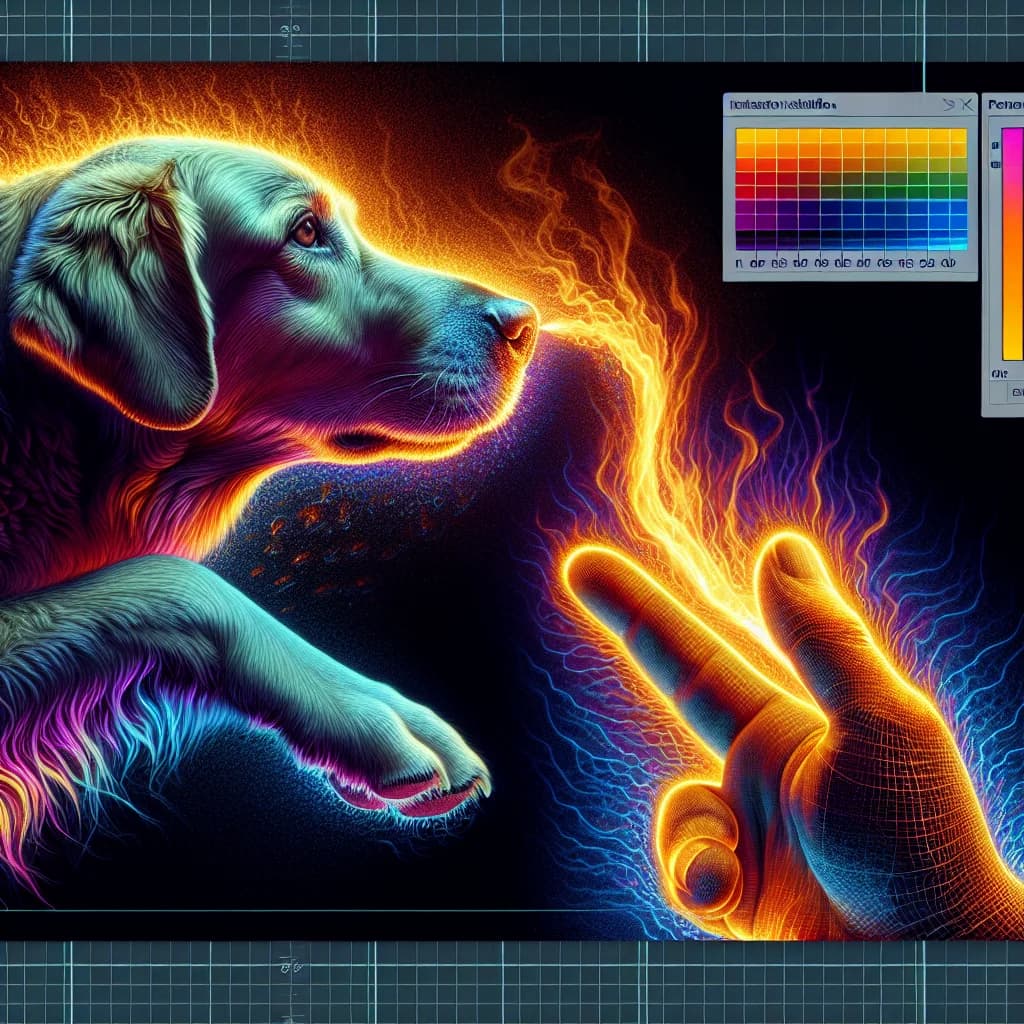
Ever wondered why your dog’s nose features those mysterious side slits? Discover how this hidden "exhaust system" allows them to breathe out without disturbing new smells, turning every sniff into a continuous, uninterrupted stream of data.

Too Long; Didn't Read
Dogs use the side slits in their nostrils to direct exhaled air away from the front of their nose. This prevents outgoing breath from blowing away or diluting new scent molecules, allowing for a continuous, undisturbed flow of incoming odors while they sniff.
The Secret to Canine Super-Sensing: Why Do Pet Dogs Have Side Slits in Their Nostrils to Help Them Exhale Without Disturbing New Incoming Scents?
Have you ever watched your dog on a "sniffari" during a morning walk, nose glued to a patch of grass as if reading a morning newspaper? While we view the world primarily through our eyes, dogs perceive their environment through a complex and high-speed chemical data stream. One of the most overlooked features of this sophisticated sensory system is the presence of small, curved slits on the sides of their nostrils. These aren't just decorative anatomical quirks; they are essential components of a dog’s olfactory machinery. Understanding why do pet dogs have side slits in their nostrils to help them exhale without disturbing new incoming scents reveals the incredible biological engineering that allows our companions to navigate a world of smell with unmatched precision.
The Anatomy of the Canine Sniff
To understand the function of these side slits, formally known as alar folds, we must first look at how a dog’s nose differs from a human’s. When we breathe, we inhale and exhale through the same path. This creates a "reset" every time we breathe out, momentarily stopping our ability to perceive scents.
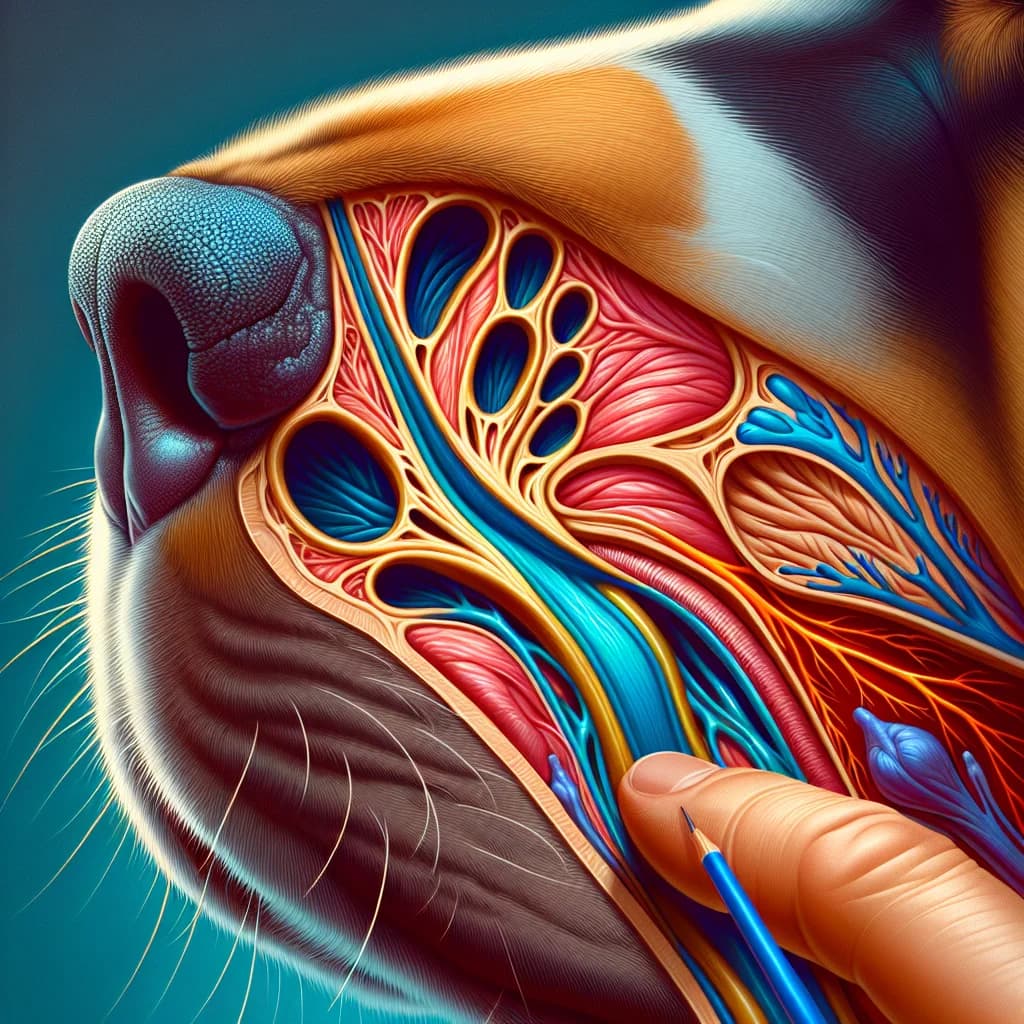
Dogs, however, have evolved a specialized airflow system. When a dog inhales, a fold of tissue inside the nostril directs air into two distinct paths: one for respiration (breathing) and one for olfaction (smelling). Approximately 12% of the air enters a recessed area filled with turbinates—bony structures covered in olfactory epithelium—where scent molecules are captured.
The Physics of the Side Slit: Continuous Sampling
The primary reason why do pet dogs have side slits in their nostrils to help them exhale without disturbing new incoming scents is to maintain a continuous stream of information.
- Aerodynamic Separation: When a dog exhales, the air does not exit back through the front of the nostrils. Instead, it is expelled through the side slits.
- The Vortex Effect: As the air exits through these slits, it creates a miniature whirlwind or "vortex." This puff of air actually helps kick up more scent molecules from the ground or surface the dog is investigating.
- Non-Interference: By venting the "used" air out the sides, the dog ensures that the exhaled breath doesn't blow away the very scent particles they are trying to inhale. This allows for a "constant sniff," where the dog can inhale new scents even as they are exhaling.
Evolutionary Advantage and Scent Enrichment
This anatomical feature is a remnant of the dog’s history as a specialized hunter and tracker. In the wild, the ability to track a faint scent trail across miles of varied terrain was the difference between survival and starvation. Domestic dogs have retained this "stereo" smelling capability, which allows them to determine the direction of a scent by sensing which nostril the smell entered first.
For modern pet owners, understanding this biological marvel highlights the importance of "scent enrichment." Because a dog’s nose is designed for such high-level processing:
- Allow for Sniffing: Stopping to let a dog sniff during walks provides vital mental stimulation.
- Scent Games: Activities like "hide and seek" with treats utilize their natural ability to cycle air through those side slits to find hidden rewards.
- Mental Health: A dog that is allowed to use its olfactory system is often more relaxed and satisfied than one that is rushed through its environment.
Conclusion
The specialized design of the canine nose is a testament to the dog's role as the ultimate biosensor. By understanding why do pet dogs have side slits in their nostrils to help them exhale without disturbing new incoming scents, we gain a deeper appreciation for the complex way our pets experience the world. These slits allow for a seamless, unidirectional flow of air that keeps the "scent picture" clear and uninterrupted. Recognizing this biological sophistication encourages us to be more patient and mindful owners, ensuring we provide our dogs with the time and space to engage their most powerful sense. Next time your dog lingers over a scent, remember: they aren't just smelling; they are utilizing a masterclass in evolutionary physics.