Why do pet dogs instinctively roll in foul-smelling substances to camouflage their scent from potential prey
Ever wondered why your dog treats a pile of filth like high-end cologne? It’s not just a gross habit—it’s an ancient survival tactic designed to turn your pampered pet into a master of disguise.

Too Long; Didn't Read
Dogs roll in pungent substances to mask their natural scent, an evolutionary instinct inherited from ancestors who used the smell to camouflage themselves while stalking prey.
The Science of Scent: Why Do Pet Dogs Instinctively Roll in Foul-Smelling Substances to Camouflage Their Scent from Potential Prey?
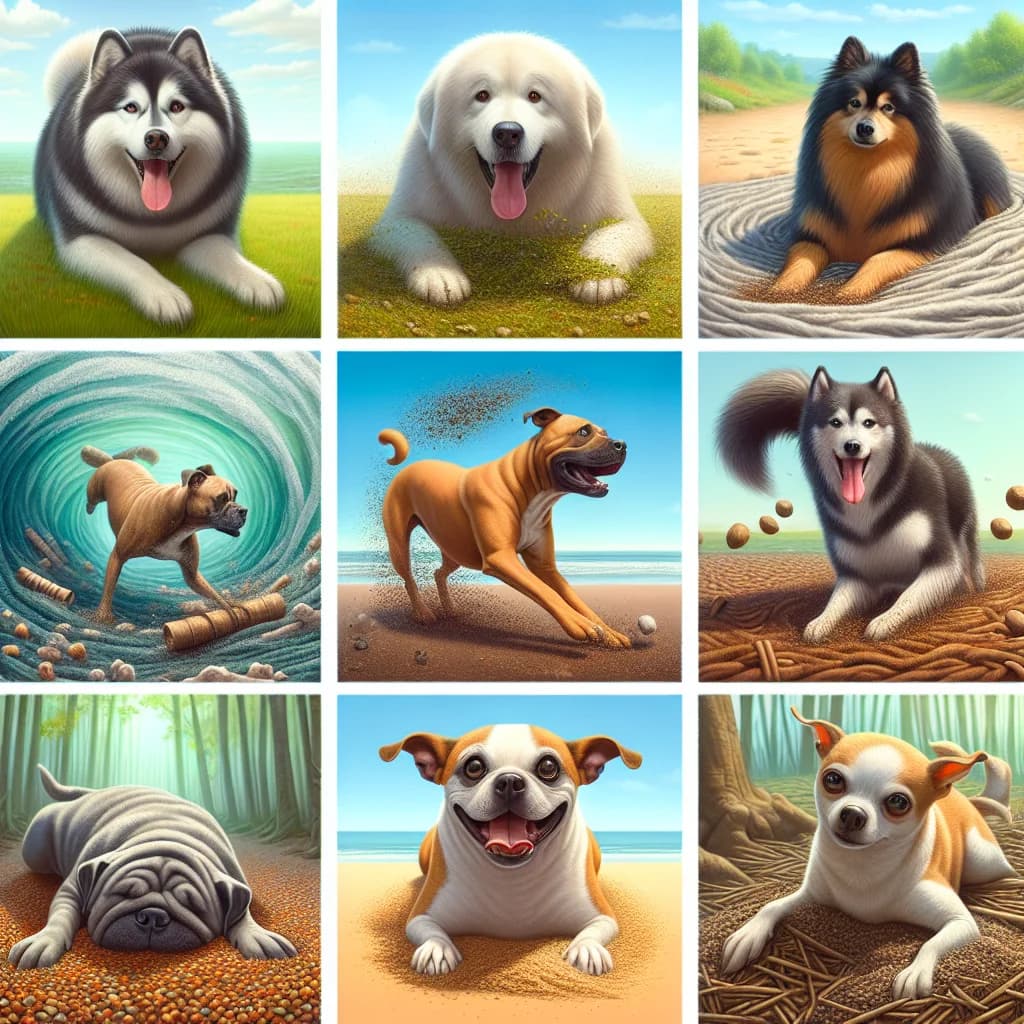
It is a scenario familiar to almost every dog owner: you return from a refreshing walk in the park, only to find your freshly groomed companion has sought out the most pungent, decaying matter available to vigorously rub their neck and shoulders in it. While humans find these odors repulsive, for our canine companions, "scent rolling" is a deeply ingrained biological imperative. This behavior is a fascinating window into the evolutionary history of Canis lupus familiaris. Understanding why do pet dogs instinctively roll in foul-smelling substances to camouflage their scent from potential prey is not only essential for managing modern pet behavior but also for appreciating the sophisticated survival mechanisms inherited from their wild ancestors. This blog post explores the science-based theories behind this aromatic habit, focusing on evolutionary biology, hunting strategies, and social communication.
The Evolutionary Roots: Scent Camouflage as a Hunting Strategy
The most widely accepted scientific theory for scent rolling is the "camouflage hypothesis." This theory suggests that the behavior is a vestigial trait inherited from wolves. In the wild, survival depends on the ability to approach prey undetected. While wolves are apex predators, their natural "doggy" scent is a chemical red flag to sensitive prey animals like deer or elk.
By coating themselves in the feces of herbivores or the scent of decaying organic matter, ancient canines could effectively "mask" their own predatory odor. This olfactory disguise allowed them to get closer to their target before the wind betrayed their presence. This behavioral trait provided a distinct selective advantage; those who could successfully camouflage their scent were more likely to secure a meal, survive, and pass their genes—and this specific instinct—on to future generations.
Communication and the "Bulletin Board" Theory
Beyond camouflage, many ethologists (scientists who study animal behavior) believe scent rolling serves as a complex social tool. In a pack environment, a dog returning covered in a distinct odor acts as a walking "bulletin board" for their peers.
- Information Sharing: Research into wolf behavior suggests that rolling in a carcass or strong scent allows a scout to bring information back to the pack. It signals to others that a food source has been located nearby.
- Group Odor: Some theories suggest that rolling in the same substances helps a pack create a "group scent." This shared olfactory profile helps pack members identify one another and strengthens social bonds, which was historically vital for coordinated hunting and territorial defense.
Sensory Stimulation and Pheromones
From a neurological perspective, dogs possess an olfactory system roughly 10,000 to 100,000 times more acute than that of a human. When a dog encounters a "foul" smell, they are not experiencing "stink" in the way we do; they are processing a rich tapestry of chemical data.
Some animal behaviorists argue that dogs roll in these substances simply because the intense sensory input is rewarding. Much like a human might enjoy a complex perfume, a dog may find the concentrated pheromones and chemical compounds in organic waste to be highly stimulating. This is often referred to as "sensory motor self-stimulation," where the act of rolling provides a dopamine release, reinforcing the behavior regardless of its immediate utility in a modern domestic setting.
Managing the Instinct: Practical Tips for Owners
Because scent rolling is an instinctive, hard-wired behavior, it cannot be "trained out" in the traditional sense. However, it can be managed through evidence-based husbandry and enrichment:
- Environmental Awareness: Keep your dog on a leash in areas known for wildlife activity or livestock to prevent access to "tempting" odors.
- Recall Training: A strong "leave it" or "come" command is the best defense against a looming pile of organic matter.
- Proper Cleaning: If your dog does roll, use an enzymatic shampoo specifically designed to break down organic proteins rather than just masking them with artificial scents, which may actually encourage the dog to roll again to hide the "perfume" smell.
Conclusion
Understanding why do pet dogs instinctively roll in foul-smelling substances to camouflage their scent from potential prey allows us to view this frustrating habit through a lens of biological respect rather than disgust. Whether it is a lingering hunting tactic from their wolf ancestors, a method of pack communication, or simply a form of intense sensory enrichment, scent rolling is a testament to the complex evolutionary journey of the domestic dog. By acknowledging these deep-seated instincts, pet owners can better manage their dogs' environments and foster a deeper bond rooted in an understanding of canine nature. If your dog’s scent-rolling behavior becomes obsessive or is accompanied by skin irritation, consulting with a veterinary professional or a certified animal behaviorist is recommended to ensure their well-being.