Why do pet dogs instinctively spin in circles to flatten grass and check for pests before lying down
Your dog’s dizzying pre-nap ritual isn't just a quirky habit; it’s a high-stakes survival tactic inherited from their wild ancestors. Discover the fascinating evolutionary secrets behind why your pup performs this ancient "safety check" before every snooze.

Too Long; Didn't Read
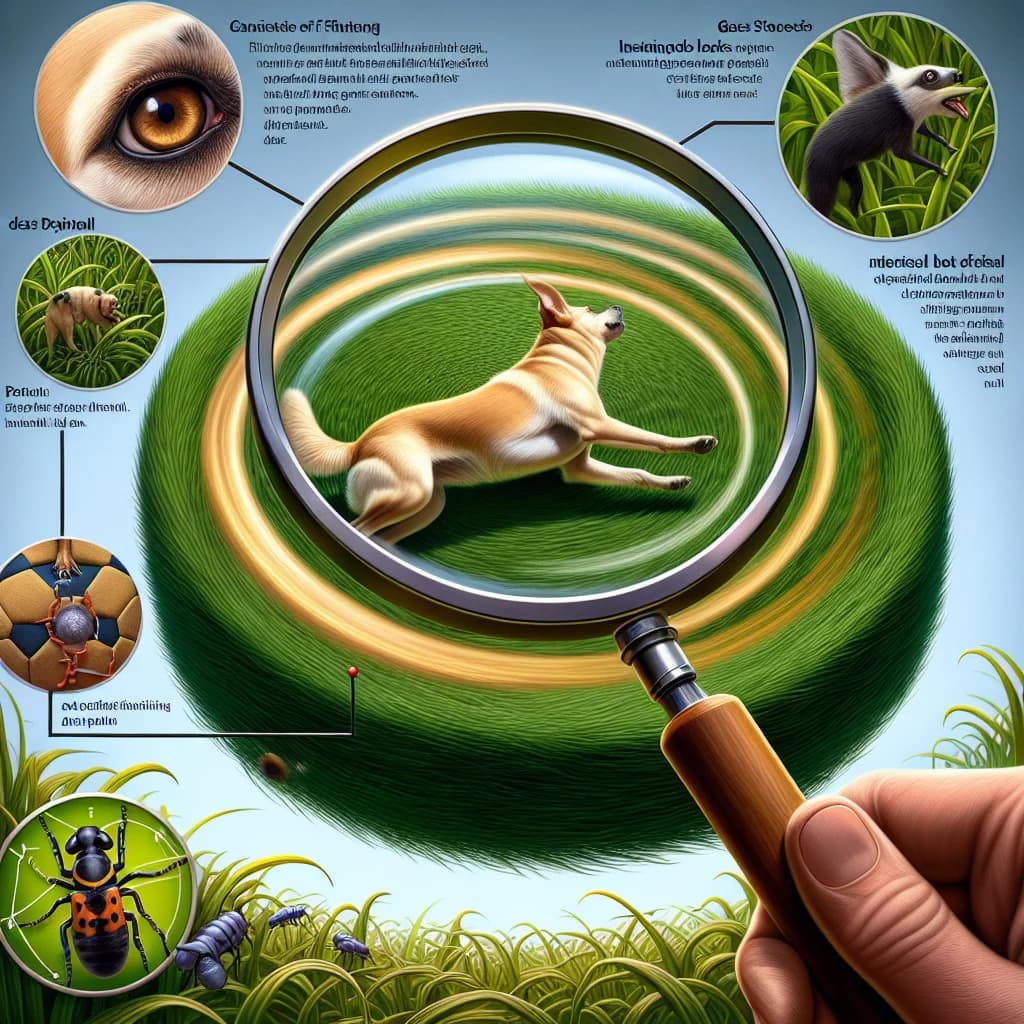
Dogs spin before lying down as an evolutionary instinct inherited from their wild ancestors. This behavior serves to flatten tall grass for comfort, clear out potential pests like snakes or insects, and ensure the area is safe and level before settling in.
The Ancestral Spin: Why Do Pet Dogs Instinctively Spin in Circles to Flatten Grass and Check for Pests Before Lying Down?
Have you ever watched your dog prepare for a nap? Despite having a plush orthopedic bed or a soft rug, they often engage in a curious ritual: walking in tight circles, pawing at the surface, and spinning several times before finally settling down. This behavior isn't just a quirky "dog thing"—it is a deeply rooted biological "fixed action pattern" inherited from their wild ancestors.
Understanding why do pet dogs instinctively spin in circles to flatten grass and check for pests before lying down provides a fascinating window into canine evolution. While modern homes lack the dangers of the wilderness, these hardwired instincts remain a vital part of a dog’s psychological well-being. This post explores the science behind this ritual, examining how it served as a survival mechanism in the wild and why it continues to manifest in our domesticated companions today.
The Evolutionary Blueprint: Nesting in the Wild
Before dogs were domesticated roughly 15,000 to 30,000 years ago, their ancestors (shared with modern wolves) lived entirely outdoors. Without the luxury of human-provided shelter, creating a safe, comfortable place to sleep was a matter of survival.
The primary reason for the "pre-sleep spin" was environmental modification. In the wild, "bedding" usually consisted of tall grass, fallen leaves, or undergrowth. By spinning in circles, an animal could effectively:
- Flatten the Terrain: Trampling down tall grass or prickly weeds created a level, matted surface that was much more comfortable for sleeping.
- Temperature Regulation: In colder climates, spinning and treading helped create a "nest" that trapped body heat. In warmer environments, clearing away debris allowed the animal to reach the cooler soil beneath.
- Structural Integrity: Flattening the vegetation helped define the boundaries of the sleeping area, providing a clear space for the pack to huddle.
Safety First: Pest Inspection and Predator Awareness
Beyond simple comfort, the act of spinning served as a critical safety check. When an animal lies down, it is at its most vulnerable. The ritualistic turn allowed the dog’s ancestors to perform two vital security tasks simultaneously:
1. Evicting Unwanted Guests
Tall grass and leaf litter are often home to pests and hazards. By spinning and stomping, a dog forces snakes, large insects, spiders, or scorpions to flee before the dog puts its weight down. This "pest check" prevented potentially fatal bites or stings during the night.
2. The Final Perimeter Check
The 360-degree rotation provided one last look at the horizon. This allowed the animal to spot potential predators or threats from any direction. Even today, many animal behaviorists believe that spinning helps a dog orient itself toward the wind, allowing them to catch the scent of an approaching threat while they sleep.
The Role of Scent and Territory
Canine behavior is heavily driven by olfaction (scent). Dogs have scent glands in their paw pads. When they spin and "scrub" the ground with their feet, they are doing more than just flattening grass; they are marking the area. This subtle scent marking signals to other animals that the spot is occupied, reinforcing the dog’s sense of security within its territory.
When Should Owners Be Concerned?
While spinning is a normal, healthy instinct, there are instances where it may indicate an issue. Veterinary professionals distinguish between a brief "settling" ritual and compulsive behavior.
- Canine Compulsive Disorder (CCD): If a dog spins excessively for long periods or seems unable to stop, it may be a sign of anxiety or CCD.
- Physical Discomfort: If a dog spins but seems hesitant to actually lie down, or if they whimper during the process, it could indicate orthopedic pain, such as arthritis or hip dysplasia.
Conclusion
The next time you see your dog performing a localized whirlwind on your living room carpet, you are witnessing an ancient survival strategy in action. Understanding why do pet dogs instinctively spin in circles to flatten grass and check for pests before lying down helps us appreciate the complex biological heritage of our pets. This behavior is a bridge to their wild origins, ensuring comfort, safety, and a sense of "home"—even if the "grass" is actually a designer rug.
Recognizing these natural behaviors is a key part of responsible pet ownership. If you notice a sudden change in your dog's nesting habits or if the spinning becomes obsessive, always consult with a veterinarian or a certified animal behaviorist to ensure your companion’s physical and mental health are prioritized.