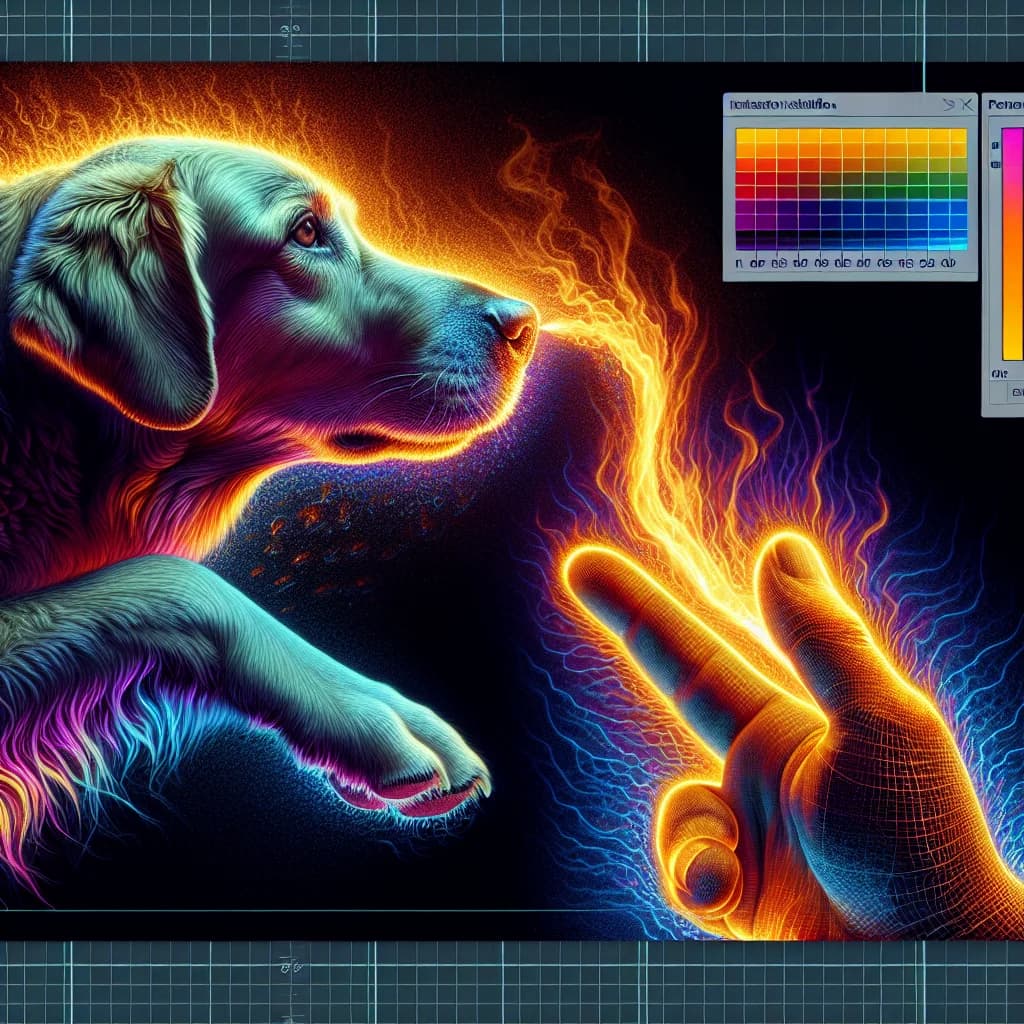
Why do pet dogs kick the ground after doing their business to spread scent from their paw glands
Ever wonder why your dog performs a frantic "dirt dance" after doing their business? It’s not about tidying up—they’re actually deploying a sophisticated "scent business card" using secret glands hidden right between their toes.

Too Long; Didn't Read
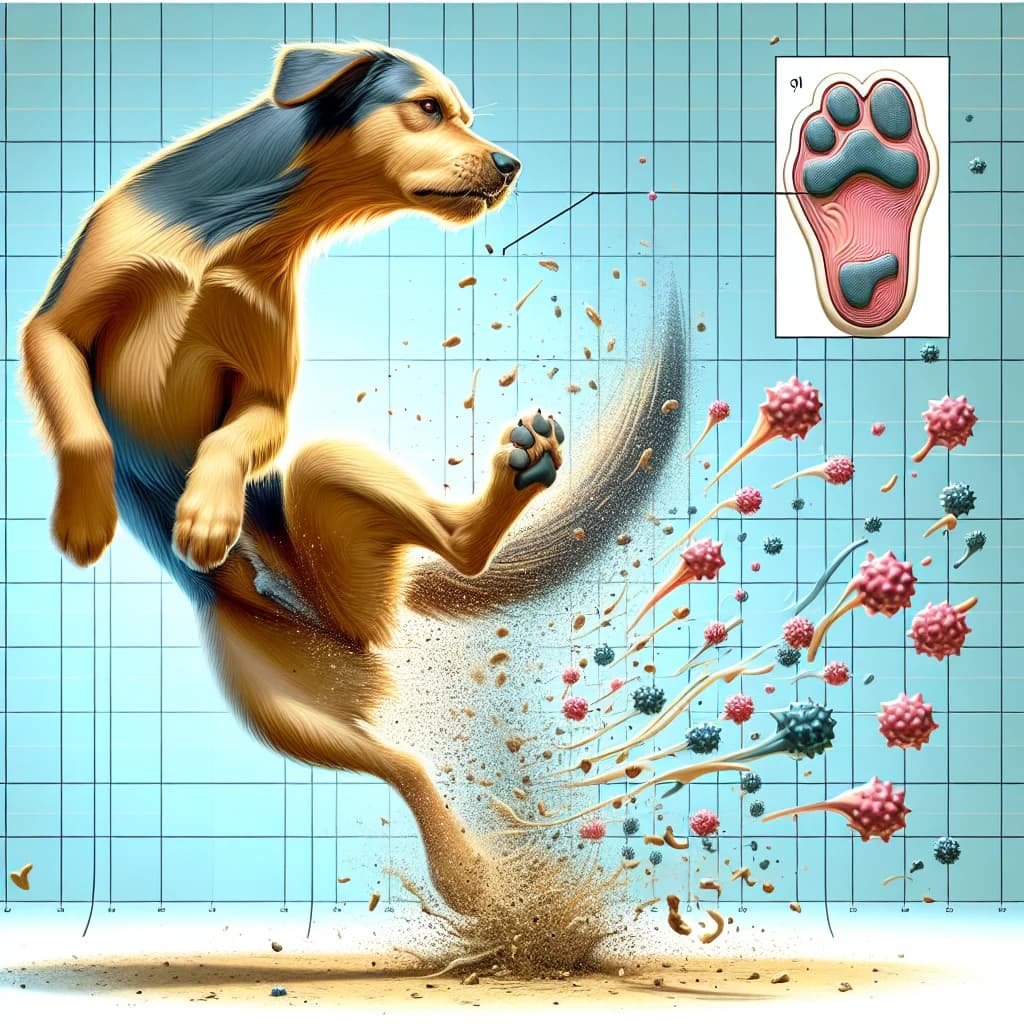
Dogs kick the ground after urinating or defecating to spread unique pheromones from scent glands located in their paws. This behavior, known as ground scratching, serves as both a territorial scent marker and a visual signal to communicate their presence to other dogs.
Beyond the Scrape: Why Do Pet Dogs Kick the Ground After Doing Their Business to Spread Scent From Their Paw Glands?
Have you ever watched your dog finish their "business" only to see them vigorously kick up grass and dirt like a bull preparing to charge? This quirky behavior, which often leaves a trail of uprooted turf in its wake, is far more than a simple post-potty ritual or a misplaced attempt at hygiene. In the world of canine biology, this action is a sophisticated form of communication rooted deeply in their evolutionary history. Understanding why do pet dogs kick the ground after doing their business to spread scent from their paw glands is essential for any owner wishing to decode their pet’s natural instincts. This post explores the biological mechanisms and social purposes behind this "scrape marking" behavior, highlighting how dogs use their environment as a complex communication hub for fellow canines.
The Science of Interdigital Glands
At the heart of this behavior lies a specialized biological feature: the interdigital glands. Located between the toes and paw pads of a dog, these glands secrete semi-volatile pheromones—chemical signals that carry unique biological "data." When a dog scrapes their paws against the ground, the physical friction and pressure trigger the release of these secretions.
Unlike the scent of urine or feces, which can dissipate or be washed away by rain, the oily pheromones from the paw glands are designed for longevity and distinctness. These chemicals are unique to each individual dog, serving as a biological fingerprint. In the field of animal behavior, this is recognized as a vital component of "scent marking," a process that allows animals to communicate without ever needing to meet face-to-face.
Scrape Marking: A Visual and Olfactory Signal
While the scent is a primary driver, the physical act of kicking provides an essential visual cue known as "scrape marking." This dual-sensory approach is a common trait among various species in the Canidae family, including wolves and coyotes.
The visual disturbance—the gouges in the grass or the displaced dirt—acts as a highlighter for the scent. It signals to other dogs: "Look here; there is information for you." This is why dogs often persist in kicking even on hard surfaces like pavement or packed sand where no dirt can be moved; the instinct to engage the glands and the motor pattern of the "scrape" are hardwired, regardless of the effectiveness of the visual mark.
What Are They "Posting"?
Animal behaviorists and zoologists view these scent marks as a canine version of social media. By kicking the ground, a dog is essentially leaving an updated profile for the next visitor. The information conveyed through these pheromones is remarkably detailed and can include:
- Individual Identity: A clear signal of which specific dog was present.
- Time Stamps: The degradation of the scent tells other dogs how recently the "poster" was there.
- Reproductive Status: Information regarding hormonal levels and mating availability.
- Territorial Boundaries: A civil way to mark the edges of a "home range" to avoid unnecessary physical confrontations with intruders.
- Social Hierarchy: Establishing presence within a community of local dogs.
Evolutionary Context and Ancestral Origins
This behavior is a direct inheritance from the domestic dog's wild ancestors. In a wild environment, maintaining clear boundaries through scent is a survival strategy. It reduces the risk of injury by allowing individuals or packs to navigate territories while minimizing direct conflict.
While the modern pet dog does not need to defend a forest territory to survive, the neural pathways that drive scrape marking remain fully intact. It is a natural, healthy expression of their predatory and social ancestry. In the veterinary community, this is viewed as a positive sign of a dog who is confident and engaged with their environment.
Practical Considerations for Pet Owners
Because this is a deeply ingrained instinct, it is generally advised not to punish or stop the behavior unless it becomes destructive to property or harmful to the dog's paws. Instead, owners can manage the behavior through:
- Targeted Walking: Directing the dog to areas where kicking won't damage landscaping.
- Paw Inspection: Regularly checking paw pads for cuts or irritation if a dog kicks on rough surfaces like gravel or asphalt.
- Mental Enrichment: Recognizing that "sniffing and marking" is a form of mental exercise that satisfies a dog’s social needs.
Conclusion
Recognizing that your dog’s post-potty "burnout" is a healthy, instinctive form of communication can change how you view your daily walks. Rather than a destructive habit or a strange quirk, scrape marking is a window into the complex olfactory world dogs inhabit. Understanding why do pet dogs kick the ground after doing their business to spread scent from their paw glands allows owners to appreciate the biological sophistication of their companions. By respecting these ancient rituals, we support the animal’s psychological well-being and honor their natural history. As long as the behavior remains a standard part of their routine, it should be viewed as a sign of a healthy, communicative pet. If the behavior ever appears obsessive or results in paw injury, a consultation with a veterinarian or certified behaviorist can ensure your dog remains happy and healthy.