Why do pet dogs possess a sense of smell so acute they can effectively tell time by tracking scent decay
Your dog doesn’t need a watch to know you’re late; they can literally smell the minutes ticking away as your scent fades. Discover the mind-bending science of "scent decay" and how your pup uses their nose to map the past, present, and future.


Too Long; Didn't Read
Dogs track the passage of time by sensing how odors dissipate and weaken over the course of a day. Because scents decay at a predictable rate, dogs can gauge how long ago an event occurred or predict when their owners will return based on the remaining concentration of a lingering scent.
The Chronometer in the Canine Nose: Why Do Pet Dogs Possess a Sense of Smell So Acute They Can Effectively Tell Time by Tracking Scent Decay?
Imagine entering your home and being able to perceive not just who is present, but exactly how long ago they left. While humans rely on digital clocks and shifting shadows to track the passage of hours, our canine companions navigate a temporal landscape built entirely of odors. For years, dog owners have marveled at pets who anticipate their arrival at the exact same time every afternoon. This isn't mere coincidence or a "sixth sense"; it is a sophisticated biological process. Why do pet dogs possess a sense of smell so acute they can effectively tell time by tracking scent decay? This post explores the extraordinary physiological and behavioral science behind the canine "scent clock" and how it strengthens the bond between species.
The Biological Foundation of the Canine Nose
To understand how dogs track time through odor, we must first look at their specialized anatomy. While a human possesses roughly 6 million olfactory receptors, a dog’s nose contains up to 300 million, depending on the breed. Furthermore, the part of the canine brain dedicated to analyzing smells is, proportionally, 40 times larger than ours.
Dogs also utilize a unique dual-pathway breathing system. When they inhale, a fold of tissue directs air into two distinct routes: one for respiration and one specifically for olfaction. This allows scent molecules to accumulate in the nasal pocket even as the dog exhales. This biological complexity enables dogs to detect concentrations of substances at parts per trillion—a sensitivity comparable to detecting a single teaspoon of sugar in two Olympic-sized swimming pools.
Understanding Scent Decay as a Temporal Map
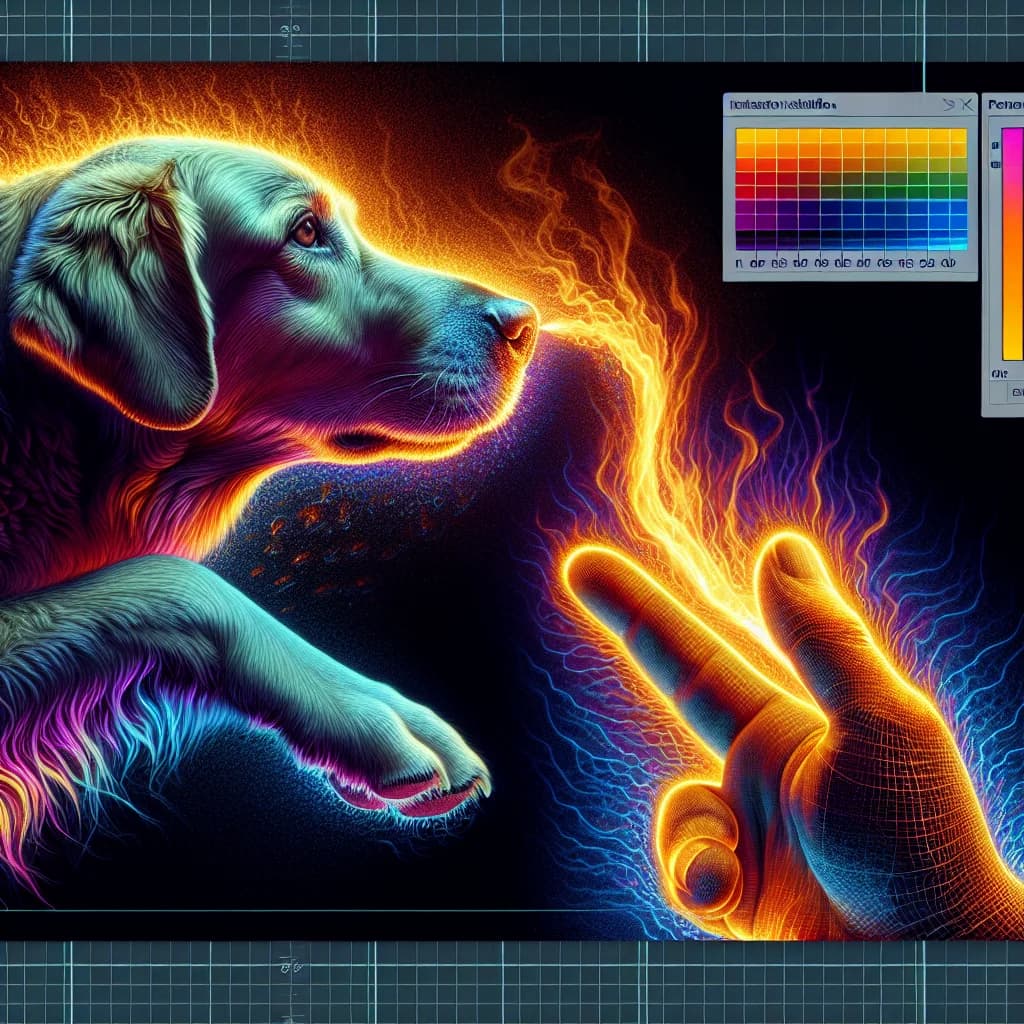
The concept of "telling time" through smell relies on a phenomenon known as scent decay. Every person, animal, and object sheds microscopic skin cells and volatile organic compounds (VOCs). These particles do not remain static; they are subject to environmental factors like air currents, temperature, and time.
The Physics of Odor Degradation
As time passes, the concentration of a scent profile diminishes. Fresh scents are "strong" and "heavy," while older scents become "weak" and "diluted." Behavioral researchers, most notably Dr. Alexandra Horowitz, have proposed that dogs perceive these gradations as a timeline.
- The Past: Odors that have settled low to the ground or have significantly dissipated represent events that occurred hours or days ago.
- The Future: Scents carried on moving air currents (breezes) allow a dog to "smell" what is coming around a corner or toward the house before it arrives.
- The Present: Intense, concentrated odors indicate immediate presence.
The "Scent Clock" and Daily Routines
The most compelling evidence for this temporal ability is observed in the daily routines of domestic dogs. Many owners report their dogs waiting by the door minutes before they arrive home from work. Research suggests the dog is monitoring the "fading" of the owner's scent within the home.
When an owner leaves in the morning, their scent is at its peak. As the day progresses, that scent gradually evaporates and diffuses. If an owner consistently returns when the scent has reached a specific level of decay, the dog learns to associate that specific "scent concentration" with the imminence of the owner's return. In one notable experiment, researchers refreshed the owner’s scent in the house using worn clothing while the owner was away; the dogs were visibly confused and failed to anticipate the owner’s arrival, proving they were relying on the decay of the scent rather than an internal circadian rhythm alone.
Practical Implications for Dog Owners
Understanding that a dog’s world is defined by scent decay offers valuable insights into their welfare and behavior. Recognizing this ability can shift how we approach training and daily care:
- Olfactory Enrichment: Allowing a dog to "sniff" during walks—often called a "sniffari"—is vital for their mental health. It is their way of reading the local news and understanding the history of their environment.
- Managing Separation Anxiety: Since dogs track our absence through the fading of our scent, leaving a recently worn t-shirt can provide a "fresh" scent profile that may help soothe a dog by artificially resetting their scent clock.
- Cognitive Stimulation: Scent work games leverage this natural biological hardware, providing a level of exhaustion that physical exercise alone cannot achieve.
Conclusion
The canine sense of smell is not merely a tool for identification; it is a complex sensory system that allows dogs to perceive the dimension of time. By understanding why do pet dogs possess a sense of smell so acute they can effectively tell time by tracking scent decay, we gain a deeper appreciation for their unique cognitive experience. They do not just live in our world; they live in a rich, historical, and predictive olfactory landscape that we are only beginning to understand. Respecting this "nose-first" perspective is essential for responsible animal husbandry and for fostering a more empathetic relationship with our pets. For those looking to further support their dog's sensory needs, engaging in scent-based enrichment or consulting with a certified animal behaviorist can provide excellent pathways for growth.