Why do pet dogs possess a specialized facial muscle evolved specifically to create puppy dog eyes for humans
Your dog’s most heart-melting gaze isn't an accident; it's a biological masterpiece evolved specifically to hijack human emotions. Discover the fascinating science behind the "puppy dog eye" muscle and how this evolutionary "hack" transformed wild wolves into our most manipulative—and beloved—companions.

Too Long; Didn't Read
Dogs evolved a specific facial muscle to raise their inner eyebrows, creating an expression that mimics human sadness or infant-like vulnerability. This anatomical trait, which is absent in wolves, developed through domestic selection because it triggers a nurturing response in humans and strengthens the bond between species.
The Science Behind the Stare: Why Do Pet Dogs Possess a Specialized Facial Muscle Evolved Specifically to Create Puppy Dog Eyes for Humans?
That melting gaze your dog gives you when they want a scrap of food or a belly rub is more than just a clever trick; it is a biological marvel rooted in thousands of years of shared history. For centuries, humans have noted the "puppy dog eyes" expression, but it was only recently that researchers discovered the anatomical secret behind it. Unlike their wild ancestors, domestic dogs have undergone a profound physical transformation to communicate more effectively with their human companions.
Understanding the evolution of the levator anguli oculi medialis (LAOM) muscle offers a fascinating window into the domestication process. This specialized facial muscle allows dogs to raise their inner eyebrows, a movement that triggers a nurturing response in humans. By exploring this evolutionary trait, we gain a deeper appreciation for the unique biological bond that defines the human-canine relationship and how selective pressures have shaped the very anatomy of our best friends.
The Anatomy of the Expression: The LAOM Muscle
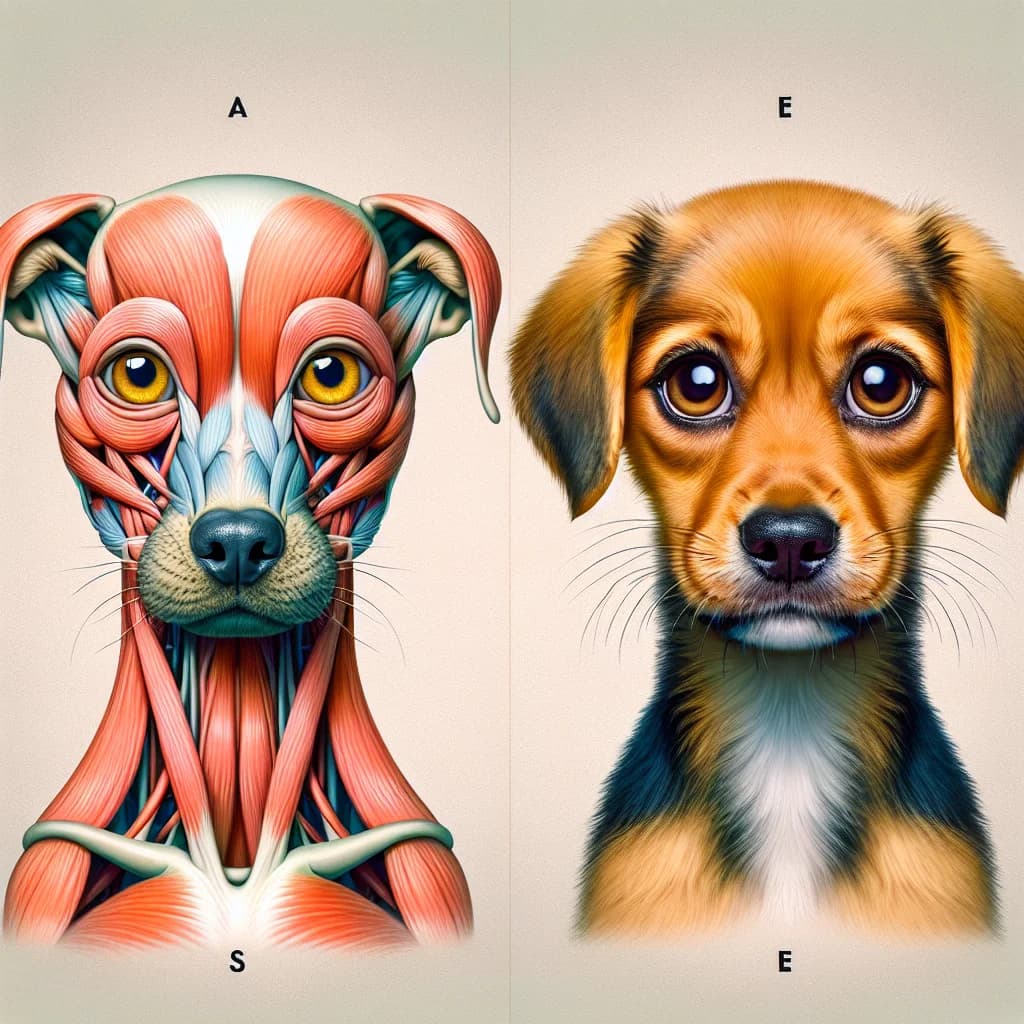
At the heart of the "puppy dog eyes" phenomenon is a specific muscle called the levator anguli oculi medialis. This small but powerful muscle is responsible for lifting the inner eyebrow upward and inward. From a biological standpoint, this movement causes the eyes to appear larger and more "infant-like," a trait known in evolutionary biology as paedomorphism.
When a dog utilizes the LAOM muscle, it mimics an expression associated with sadness or vulnerability in humans. This anatomical feature is significant because it is almost entirely absent in gray wolves, the closest living relatives of domestic dogs. While wolves possess the fibrous tissue necessary to move their eyes, they lack the specialized muscle fibers required for the high-intensity eyebrow raises that domestic dogs perform routinely.
Domestic Dogs vs. Gray Wolves: An Evolutionary Divergence
A landmark 2019 study published in the Proceedings of the National Academy of Sciences (PNAS) highlighted the stark differences between domestic dogs and wolves. Researchers found that while the two species share a common ancestor, the facial anatomy of the dog has changed rapidly over the 33,000 years since domestication began.
- Muscle Development: The LAOM muscle was found to be robust in almost all domestic dog breeds studied, whereas it was thin or non-existent in wolves.
- The Exception: Interestingly, the Siberian Husky—a breed closely related to ancient lineages—shows less development in this specific muscle compared to more modern breeds, suggesting the trait intensified as dogs moved closer into human domestic spheres.
- Movement Frequency: Behavioral data showed that domestic dogs raise their inner eyebrows with significantly more frequency and intensity than wolves when a human is present.
The Oxytocin Feedback Loop
The reason this muscle evolved is directly tied to the human-animal bond. When a dog makes "puppy dog eyes," it creates a reciprocal biological response. Studies in animal behavior have shown that sustained eye contact between a dog and its owner increases levels of oxytocin—the "bonding hormone"—in both species.
By raising their eyebrows, dogs tap into the human brain's hardwired preference for juvenile-looking features. This subconscious preference likely led early humans to provide more care, food, and protection to dogs capable of making these expressions. Over generations, individuals with the LAOM muscle were more likely to survive and reproduce, effectively "selecting" for the trait that allowed dogs to manipulate human emotions for mutual benefit.
Communication and Animal Welfare
Recognizing that this expression is an evolved communication tool is essential for responsible pet ownership. While it is tempting to view "puppy dog eyes" as a sign of guilt or a complex moral understanding, animal behaviorists emphasize that it is primarily a social solicitation tool.
- Positive Reinforcement: Because humans react positively to this expression, dogs learn to use it to secure attention or resources.
- Enrichment: Understanding that dogs evolved to communicate via facial expressions highlights the importance of face-to-face interaction and visual engagement in their daily enrichment routines.
- Veterinary Perspective: Changes in a dog’s ability to use these facial muscles can sometimes indicate neurological or muscular issues, making an understanding of "normal" facial movement vital for health monitoring.
Conclusion
The evolution of a specialized facial muscle for the sole purpose of communicating with another species is a rare and extraordinary event in the natural world. The levator anguli oculi medialis is a testament to the power of the human-canine bond, proving that our influence on dogs extends deep into their physiology. By understanding that "puppy dog eyes" are a sophisticated evolutionary adaptation, we can better appreciate the depth of our dogs' efforts to connect with us. This knowledge encourages us to be more attentive and empathetic caretakers, ensuring that we honor the 30,000-year history written in our pets' expressive faces. The next time your dog looks up at you with that irresistible gaze, remember: it is a biological bridge built specifically for you.