Why do pet dogs possess an involuntary scratch reflex that triggers a kicking motion without signals from the brain
Ever wonder why hitting your dog’s "sweet spot" sends their back leg into a wild, uncontrollable frenzy? Discover the fascinating survival mechanism hidden in their spine that bypasses the brain entirely to protect them from invisible threats.


Too Long; Didn't Read
Dogs possess a scratch reflex powered by a spinal reflex arc, which allows sensory nerves to send signals directly to the spinal cord rather than the brain. This involuntary kicking motion evolved as a rapid survival mechanism, allowing dogs to instantly repel skin irritants or parasites without the delay of conscious thought.
The Science Behind the Sweet Spot: Why Do Pet Dogs Possess an Involuntary Scratch Reflex That Triggers a Kicking Motion Without Signals from the Brain?
Every dog owner has witnessed the "sweet spot"—that specific patch of skin on a dog’s belly or neck that, when scratched, causes a hind leg to kick rhythmically in the air. While this behavior is often viewed as a charming quirk of canine companionship, it is actually a sophisticated physiological response rooted in survival. This phenomenon is known as the scratch reflex, and it serves as a fascinating example of the body’s ability to act independently of the conscious mind. Understanding why pet dogs possess an involuntary scratch reflex that triggers a kicking motion without signals from the brain offers valuable insight into canine neurology and evolutionary biology. This post will explore the mechanical and protective functions of this reflex and its significance in modern veterinary medicine.
The Neurology of the Reflex Arc
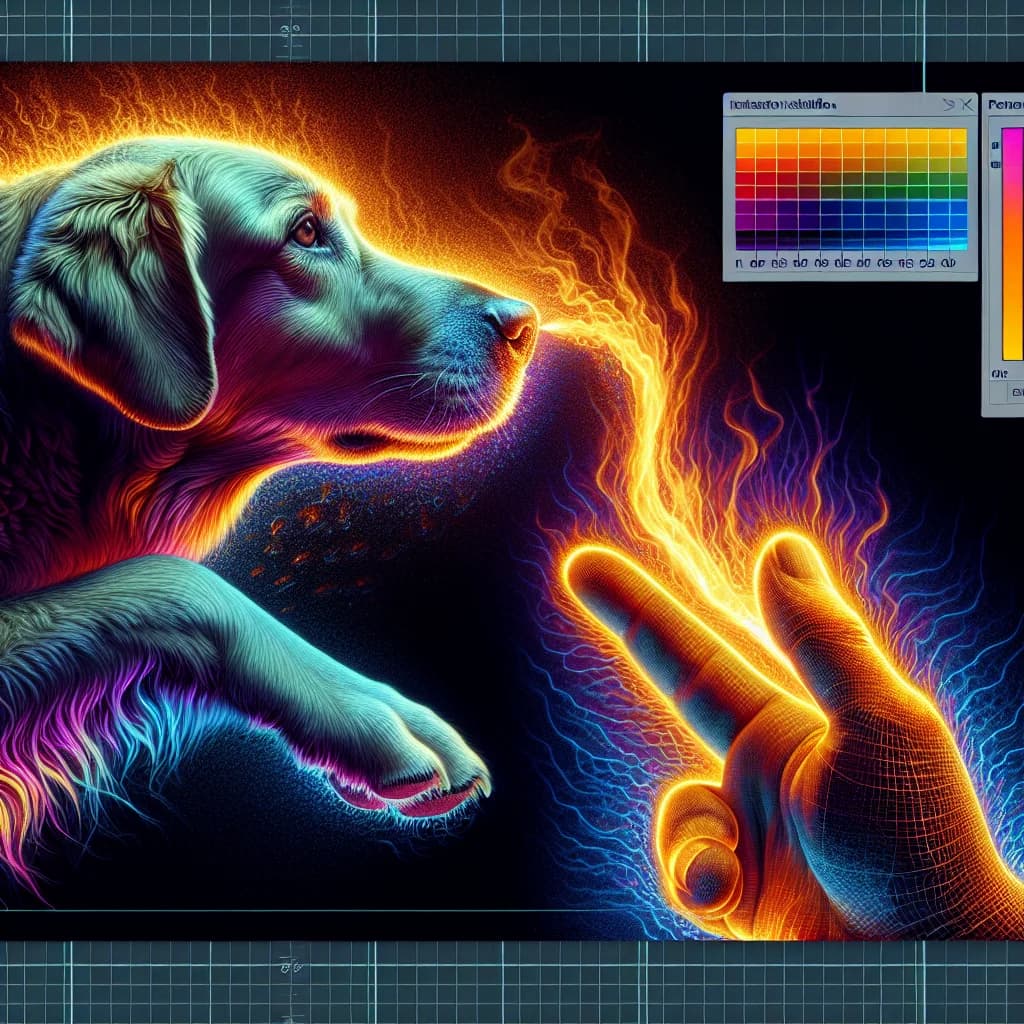
To understand the scratch reflex, one must first understand the concept of a reflex arc. Most bodily movements are voluntary, meaning the brain sends a signal through the spinal cord to the muscles to initiate action. However, the scratch reflex is a spinal reflex. When a specific area of a dog’s skin is stimulated by an irritant—or a human’s fingernails—sensory neurons under the skin are activated.
These neurons send an electrical impulse directly to the spinal cord. Instead of waiting for the brain to process this information and decide on a response, the spinal cord acts as a localized "command center." It immediately triggers motor neurons to fire, causing the hind leg to kick. This shortcut allows for a nearly instantaneous reaction. Because the signal never reaches the cerebral cortex for decision-making, the dog is effectively kicking before its brain has even registered the sensation.
Evolutionary Roots: A Shield Against Parasites
From an evolutionary perspective, the scratch reflex is an essential survival mechanism. Long before dogs were domesticated and treated with monthly preventative medications, they were constantly besieged by external parasites such as fleas, ticks, and biting flies. These pests are not merely a nuisance; they carry diseases that can be fatal to a wild canine.
The involuntary nature of the kick is designed for speed and efficiency. If a dog had to wait for its brain to register an itch, identify the source, and consciously move its leg to scratch, a parasite might have already bitten or attached itself. By bypassing the brain, the scratch reflex ensures that potential irritants are dislodged immediately. This self-preservation trait was so effective that it remains hardwired into the nervous system of modern pet dogs, even those living in pest-free environments.
The Veterinary Significance: A Diagnostic Tool
While the scratch reflex is a source of amusement for owners, it serves a practical purpose for veterinary professionals. During physical examinations, a veterinarian may deliberately trigger the scratch reflex to assess the health of a dog’s nervous system.
- Localization of Nerve Damage: If a dog does not exhibit the reflex in areas where it should naturally occur, it may indicate spinal cord trauma or nerve damage.
- Pathology Identification: Conversely, if the reflex is hyperactive or triggered by extremely light touch, it may point to underlying skin conditions or neurological hypersensitivity.
- Checking the Reflex Arc: By testing this involuntary motion, vets can confirm that the communication between the peripheral nerves and the spinal cord is functioning correctly without needing complex imaging.
Is the Kick a Sign of Pleasure?
A common question among pet owners is whether the involuntary kick means the dog enjoys the scratch. Because the movement is a reflex, it is not inherently a sign of "happiness" in the way a wagging tail might be. It is a purely physical reaction to stimulation. However, if a dog leans into the scratch, sighs, or remains relaxed, it is likely that the sensation is relieving. If a dog moves away or shows signs of tension, the stimulation may be overstimulating or uncomfortable, regardless of the leg's movement.
Conclusion
The scratch reflex is much more than a funny behavioral trait; it is a complex biological defense mechanism that highlights the efficiency of the canine nervous system. By utilizing a spinal reflex arc that bypasses the brain, dogs are equipped to protect themselves from environmental threats with lightning speed. Recognizing why pet dogs possess an involuntary scratch reflex that triggers a kicking motion without signals from the brain helps owners appreciate the deep-seated evolutionary history of their companions. While this reflex is a sign of a healthy nervous system, owners should always remain observant of their pet’s reactions. If you notice a sudden loss of this reflex or if your dog seems in pain when touched, consulting a veterinary professional is the best course of action to ensure continued spinal and neurological health.