Why do pet dogs possess specialized side slits on their nostrils to exhale without blowing away the scent
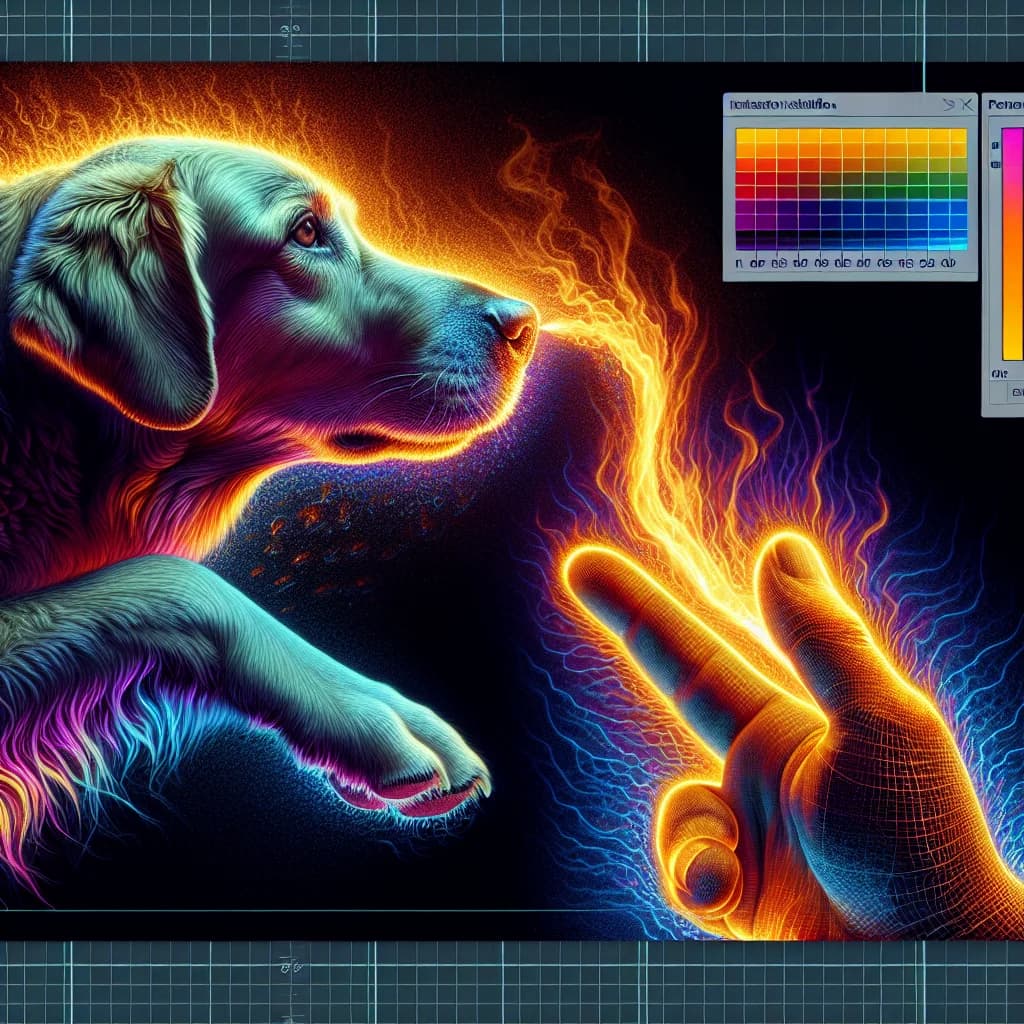
Ever wonder why your dog’s nose features those mysterious slits on the side? Discover the hidden "exhaust system" that allows pups to exhale without blowing away the very scents they’re tracking.


Too Long; Didn't Read
Dogs feature specialized side slits on their nostrils that act as exhaust vents, allowing them to exhale without disrupting the scent particles they are tracking. This anatomical adaptation ensures a continuous flow of air into the nose, significantly enhancing their sense of smell by preventing outgoing breath from scattering potential odors.
The Science of the Sniff: Why Do Pet Dogs Possess Specialized Side Slits on Their Nostrils to Exhale Without Blowing Away the Scent?
When a dog lowers its head to the grass, it isn't just taking a casual breath; it is engaging one of the most sophisticated sensory organs in the animal kingdom. While most pet owners recognize the wet, cold touch of a canine nose, few realize that the physical structure of the nose is a masterpiece of fluid dynamics. Specifically, the small, comma-shaped slits on the sides of a dog’s nostrils are not mere aesthetic features. These lateral slits are biological "exhaust pipes" that allow dogs to maintain a continuous stream of scent-laden air, ensuring that their primary way of perceiving the world is never interrupted.
Understanding the mechanics of the canine nose is essential for appreciating the behavioral needs of our pets. This blog post explores the biological purpose of these specialized side slits and how they facilitate the extraordinary olfactory capabilities that define the domestic dog.
The Dual-Path Airflow System
To understand why the side slits exist, one must first understand how a dog breathes. Unlike humans, who use the same airway for both respiration and olfaction, a dog’s nose is divided into two distinct functional paths.
When a dog inhales, a fold of tissue inside the nostril (the alar fold) directs the incoming air. A portion of the air goes to the lungs for breathing, while the rest is diverted into the olfactory recess. This specialized area is packed with approximately 220 million to 300 million olfactory receptors—compared to a human's meager 5 million. Because the air is separated, the dog can capture scent molecules even while maintaining the oxygen intake necessary for physical activity.
The Aerodynamics of the Side Slit
The most remarkable feature of canine olfaction occurs during exhalation. In humans, when we exhale through our noses, we blow air directly forward, effectively pushing away any scent molecules we were trying to capture. If a dog did this, they would lose the trail every time they breathed out.
The Vortex Effect
The specialized side slits solve this problem through ingenious aerodynamics:
- Directional Exhaust: When a dog exhales, the air does not exit through the front of the nostrils. Instead, it is forced out through the lateral slits on the sides of the nose.
- Creating a Vacuum: As the air exits these side slits, it creates a "vortex" or a swirl of air. This movement of air actually generates a low-pressure zone in front of the nose.
- Continuous Inhalation: This vortex helps pull new, fresh air (and new scent molecules) into the central part of the nostrils.
Essentially, the act of breathing out through the side slits helps the dog breathe in more effectively. This allows for "continuous sniffing," where the dog can sample odors almost without interruption, even during the exhalation phase of the respiratory cycle.
Comparison with Related Species
This trait is a hallmark of the Canidae family, including wolves and foxes, but it has been refined through thousands of years of domestication and selective breeding in pet dogs. While all dogs possess these slits, certain scent-hound breeds, such as Bloodhounds or Beagles, have maximized these aerodynamic efficiencies through larger nasal cavities and longer ears that stir up scent particles from the ground, further aiding the "vortex" created by the side slits.
Implications for Enrichment and Care
Recognizing the complexity of this system changes how we approach canine husbandry and welfare. For a dog, "seeing" the world through their nose is a primary cognitive function.
- Decompression Walks: Allowing a dog time to sniff during walks is not just a luxury; it is a vital mental workout. The specialized slits allow them to process "scent stories" that provide information about other animals, weather changes, and time.
- Scent Work: Engaging in nose work or "find it" games utilizes these biological tools to lower stress levels and provide breed-appropriate enrichment.
Conclusion
The specialized side slits on a dog's nostrils are a testament to the evolutionary journey of the canine species. By allowing for a directional exhalation that prevents the displacement of scent molecules, these slits enable our pets to navigate their environments with a level of detail that humans can scarcely imagine. Understanding this biological feature reminds us that dogs perceive a world of chemical signatures and hidden histories that we often overlook. By respecting their need to sniff and appreciating the complex anatomy that makes it possible, we can foster a deeper bond with our canine companions and ensure their sensory needs are met throughout their lives.