Why do pet dogs produce real tears of joy when they are reunited with their owners
It turns out your dog’s teary-eyed welcome is more than just a coincidence—it’s a biological breakthrough. Discover the fascinating science behind the "love hormone" that causes our canine companions to weep with genuine joy the moment you walk through the door.


Too Long; Didn't Read
Dogs experience a surge in oxytocin, the love hormone, when reuniting with their owners. This hormonal spike triggers tear production, serving as a biological mechanism to strengthen the emotional bond between humans and their pets.
The Science of Canine Emotion: Why Do Pet Dogs Produce Real Tears of Joy When They Are Reunited With Their Owners?
For centuries, dog owners have observed the exuberant greetings of their canine companions—the frantic tail wagging, the vocalizations, and the enthusiastic leaps. While these behaviors are clearly indicative of excitement, recent scientific research has uncovered a more subtle, physiological response that bridges the gap between human and animal emotion. It appears that the bond between humans and dogs is so profound that it triggers a physical reaction previously thought to be unique to our own species: the production of emotional tears. Understanding why do pet dogs produce real tears of joy when they are reunited with their owners? offers a fascinating glimpse into the evolutionary biology of domestication and the complex hormonal pathways that govern the human-animal bond. This post explores the groundbreaking veterinary research behind this phenomenon and what it reveals about canine emotional intelligence.
The Discovery: Tears as a Biological Response to Emotion
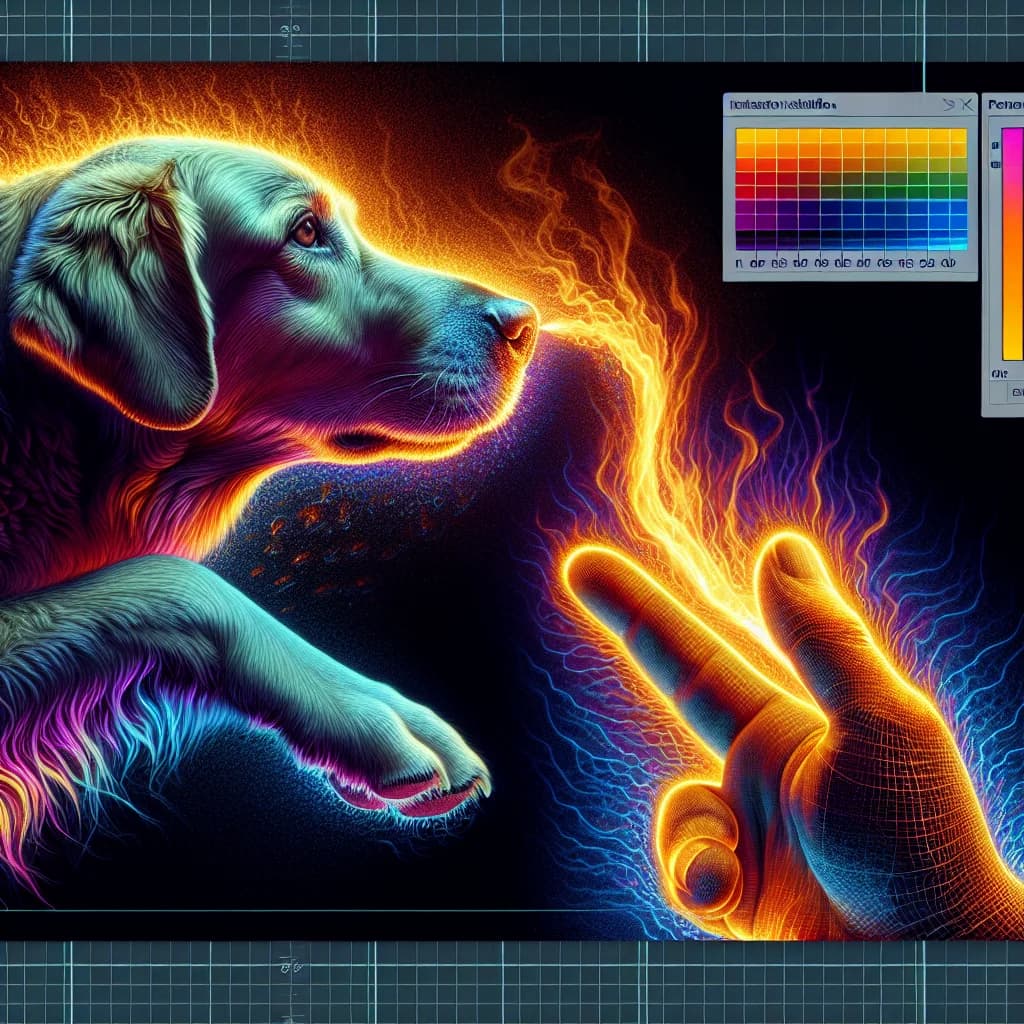
In 2022, a landmark study published in the journal Current Biology by researchers at Azabu University in Japan provided the first empirical evidence that dogs produce tears associated with positive emotions. The study, led by Professor Takefumi Kikusui, began when he noticed his own poodle’s eyes becoming teary while nursing her puppies. This observation led to a controlled experiment measuring tear volume in dogs during various scenarios.
Using the Schirmer Tear Test (STT)—a standard veterinary diagnostic tool that involves placing a specialized paper strip inside the eyelid to measure moisture—researchers compared tear production in dogs during normal home interactions versus the first few minutes of a reunion with their owners after a five-to-seven-hour absence. The results were significant: tear volume increased substantially only when the dogs were reunited with their familiar humans, not when they met a neutral stranger. This suggests that the response is specifically tied to the attachment bond rather than general arousal or irritation.
The Hormonal Catalyst: The Role of Oxytocin
To understand the "why" behind this liquid expression of joy, scientists looked toward oxytocin. Often referred to as the "love hormone" or "bonding hormone," oxytocin is a neuropeptide produced in the hypothalamus. It plays a critical role in social bonding, maternal behaviors, and trust in both humans and animals.
Previous research had already established that eye contact between a dog and its owner creates an "oxytocin feedback loop," where levels of the hormone rise in both species. In the Azabu University study, researchers applied an oxytocin solution directly to the dogs' eyes and observed a corresponding increase in tear volume. This led to the conclusion that the surge of oxytocin triggered by a joyful reunion stimulates the lacrimal glands to produce more tears. Unlike "reflex tears," which flush out debris, or "basal tears," which keep the cornea lubricated, these are true "emotional tears" stimulated by a neurochemical shift.
Evolutionary Perspectives: Why Did This Trait Develop?
From a biological standpoint, every trait usually serves an evolutionary purpose. Why would a dog evolve the capacity to produce tears during a reunion? The answer likely lies in the history of domestication.
- Human Caregiving Response: Humans are biologically programmed to respond to "baby-like" features. Tears make a dog’s eyes appear larger, shinier, and more vulnerable.
- The "Puppy Dog Eyes" Evolution: Research has shown that dogs have evolved a specific muscle (the levator anguli oculi medialis) to raise their inner eyebrows, mimicking human sadness. Tear production may be a secondary mechanism that further encourages humans to protect and nurture the dog.
- Social Signaling: While dogs primarily communicate through scent and body language, living in close proximity to humans for over 30,000 years has likely selected for traits that facilitate visual communication with their human counterparts.
Distinguishing Emotion from Medical Concerns
While the science confirms that dogs can produce tears of joy, it is essential for pet owners to distinguish between an emotional response and a veterinary medical issue. In the study, the "tears" were an increase in liquid volume that made the eyes look "watery," rather than droplets rolling down the face (epiphora).
If a dog exhibits persistent tearing, discharge, or redness, it is rarely a sign of prolonged joy and more likely indicative of:
- Allergies: Environmental irritants like pollen or dust.
- Blocked Nasolacrimal Ducts: When the drainage system for tears becomes obstructed.
- Conjunctivitis: Inflammation or infection of the eye membrane.
- Corneal Ulcers: Scratches on the surface of the eye that require immediate veterinary attention.
Conclusion
The revelation that dogs experience a physiological surge in tear production during reunions transforms our understanding of the canine emotional landscape. We now have scientific confirmation that why do pet dogs produce real tears of joy when they are reunited with their owners? is rooted in a complex hormonal interplay involving oxytocin, refined by thousands of years of shared history. This discovery underscores the importance of the human-animal bond, suggesting that our dogs are even more attuned to us than we previously imagined. By recognizing the depth of their emotional lives, we can foster more empathetic and responsible relationships with our pets. If you notice your dog’s eyes glistening during your next homecoming, know that it is a profound, science-backed testament to the love they feel for you.