Why do pet dogs sneeze during play to communicate that their wrestling is friendly and not aggression
Ever wonder why your dog lets out a sudden sneeze in the middle of a wrestling match? It isn’t an allergy—it’s a clever "play signal" used to communicate that their roughhousing is all in good fun.

Too Long; Didn't Read
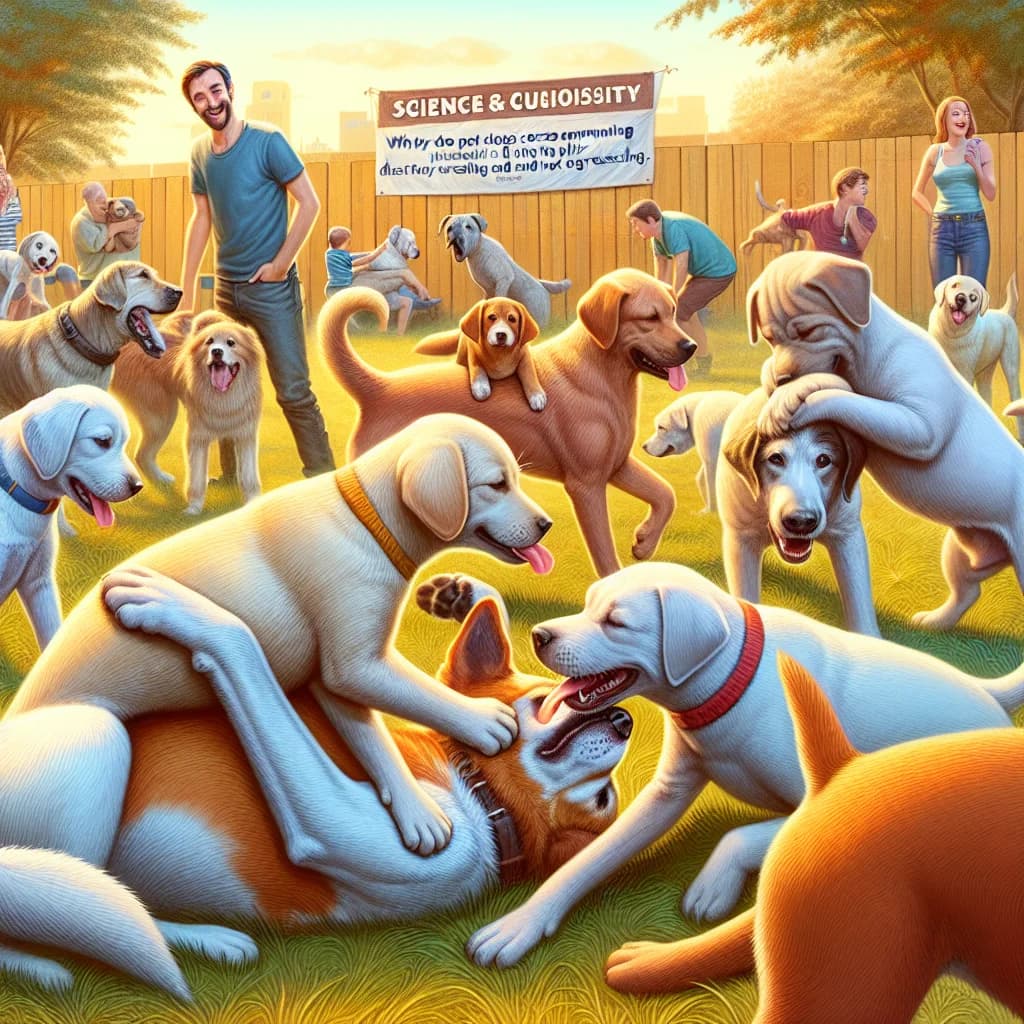
Dogs sneeze during play as a communication signal to show that their wrestling is just for fun and not a sign of real aggression. This behavior helps prevent misunderstandings and keeps the interaction friendly.
The Play Sneeze: Why Do Pet Dogs Sneeze During Play to Communicate That Their Wrestling Is Friendly and Not Aggression?
If you have ever observed two dogs engaged in a high-energy wrestling match, you may have noticed a peculiar behavior: amidst the growling, snapping, and tumbling, one or both dogs will suddenly emit a sharp, rhythmic sneeze. While it might look like a sudden bout of hay fever, this behavior is far from accidental. In the complex world of canine linguistics, the "play sneeze" serves a vital evolutionary purpose. Understanding why do pet dogs sneeze during play to communicate that their wrestling is friendly and not aggression is essential for any dog owner. It provides a window into their social intelligence and helps humans distinguish between a healthy romp and a potentially dangerous confrontation. This blog post explores the science behind the play sneeze, its role as a "meta-signal," and how it maintains harmony in the domestic dog’s social life.
The Mechanics of the Play Sneeze
To understand the play sneeze, we must first distinguish it from a functional, respiratory sneeze. A typical sneeze occurs when the nasal mucosa is irritated by dust, pollen, or foreign bodies, triggering a deep, involuntary expulsion of air from the lungs. In contrast, the play sneeze is often more of a "nasal huff." It is a shallow, sharp exhalation through the nose that involves the wrinkling of the muzzle.
Ethologists (scientists who study animal behavior) categorize this as a ritualized behavior. While it may have originated from physical irritation—such as a dog wrinkling its nose during a play-bite—it has evolved into a deliberate signal. By "sneezing," the dog is using a physical action to convey a specific social message: "I am having fun, and I don't mean to hurt you."
Meta-communication: The "Just Kidding" Signal
In animal behavior science, the play sneeze is known as a "meta-signal." Meta-communication is essentially communication about communication. Because canine play often involves behaviors that mirror real-life combat—such as baring teeth, pinning an opponent, or growling—dogs need a way to clarify their intent.
Without these signals, a play session could easily escalate into a real fight. The sneeze acts as a constant "reset" button. It informs the play partner that the preceding "aggressive" actions are part of a game. It is the canine equivalent of a human saying "just kidding" after making a sarcastic remark. Research into canine body language suggests that dogs who sneeze frequently during wrestling are often the more socially adept individuals, as they are actively working to keep the peace.
Distinguishing Play from Real Aggression
Understanding the context of the sneeze helps owners monitor their pets' safety. Healthy play is characterized by a "flow" and a series of reciprocal signals. The play sneeze is rarely used in isolation; it is usually part of a larger toolkit of friendly behaviors.
Key Indicators of Friendly Play:
- The Play Bow: Lowering the front legs while keeping the hindquarters up is the universal "invitation to play."
- Self-Handicapping: A larger or stronger dog will often intentionally put itself in a vulnerable position or use less force to keep the game fair for a smaller partner.
- Loose Body Language: During play, dogs exhibit "wiggly" or curvy body movements. In contrast, true aggression is characterized by stiff, frozen, or rigid postures.
- Bouncy Movements: Play is often inefficient and exaggerated. Dogs will leap or bounce in ways that would be counterproductive in a real fight.
When a dog sneezes during these activities, it reinforces the "loose" nature of the interaction. If the play becomes too intense or one dog becomes overstimulated, you might see a flurry of sneezes as the dogs attempt to de-escalate the tension.
The Evolutionary Context of Social Play
The use of signals like the play sneeze is a hallmark of social species. For the ancestors of domestic dogs, play was a vital way for juveniles to practice hunting and fighting skills without the risk of injury. Maintaining a "pro-social" environment was necessary for pack survival. If play frequently resulted in injury or genuine conflict, the pack's cohesion would suffer.
Domestic dogs have retained these ancestral communication methods, even as they have adapted to living alongside humans. By observing these sneezes, we can appreciate the sophisticated emotional intelligence of our canine companions. They are not just reacting to stimuli; they are actively managing their social relationships.
Conclusion
Recognizing why do pet dogs sneeze during play to communicate that their wrestling is friendly and not aggression is a hallmark of responsible pet ownership. This small, seemingly insignificant sound is actually a sophisticated tool used to prevent conflict and foster social bonds. By paying attention to these "nasal huffs," owners can feel more confident in their dogs' social interactions and intervene only when the communication breaks down.
Understanding canine body language allows us to appreciate the nuance of their inner lives and strengthens the human-animal bond. The next time your dog sneezes during a spirited game of tug or a backyard wrestle, you can rest easy knowing they are simply saying, "Don't worry, we're still friends." For those interested in further exploring canine behavior, consulting with a certified animal behaviorist can provide even deeper insights into your pet's unique communication style.