Why do pet dogs tilt their heads to the side when listening to their owners speak
That iconic, heart-melting head tilt isn’t just your dog being cute—it’s actually a sign of a highly focused brain at work. Discover the fascinating scientific reasons why your pup leans in the moment they hear your voice.


Too Long; Didn't Read
Dogs tilt their heads to better locate the source of a sound, improve their vision by shifting their muzzles, and show they are actively processing familiar words or emotional cues.
Decoding the Canine Tilt: Why Do Pet Dogs Tilt Their Heads to the Side When Listening to Their Owners Speak?
Few canine behaviors are as universally recognized and adored as the head tilt. When a dog cocks its head to the side while an owner speaks, it is often interpreted by humans as a sign of confusion, curiosity, or deep empathy. However, this gesture is far more than a charming quirk; it is a sophisticated physiological and cognitive response rooted in the evolutionary biology of Canis lupus familiaris. Understanding the mechanics behind this movement offers a window into how dogs perceive their world and interact with their human companions. This post will explore the primary scientific theories explaining why dogs tilt their heads, focusing on auditory localization, visual clarity, and high-level cognitive processing.
The Mechanics of Auditory Localization
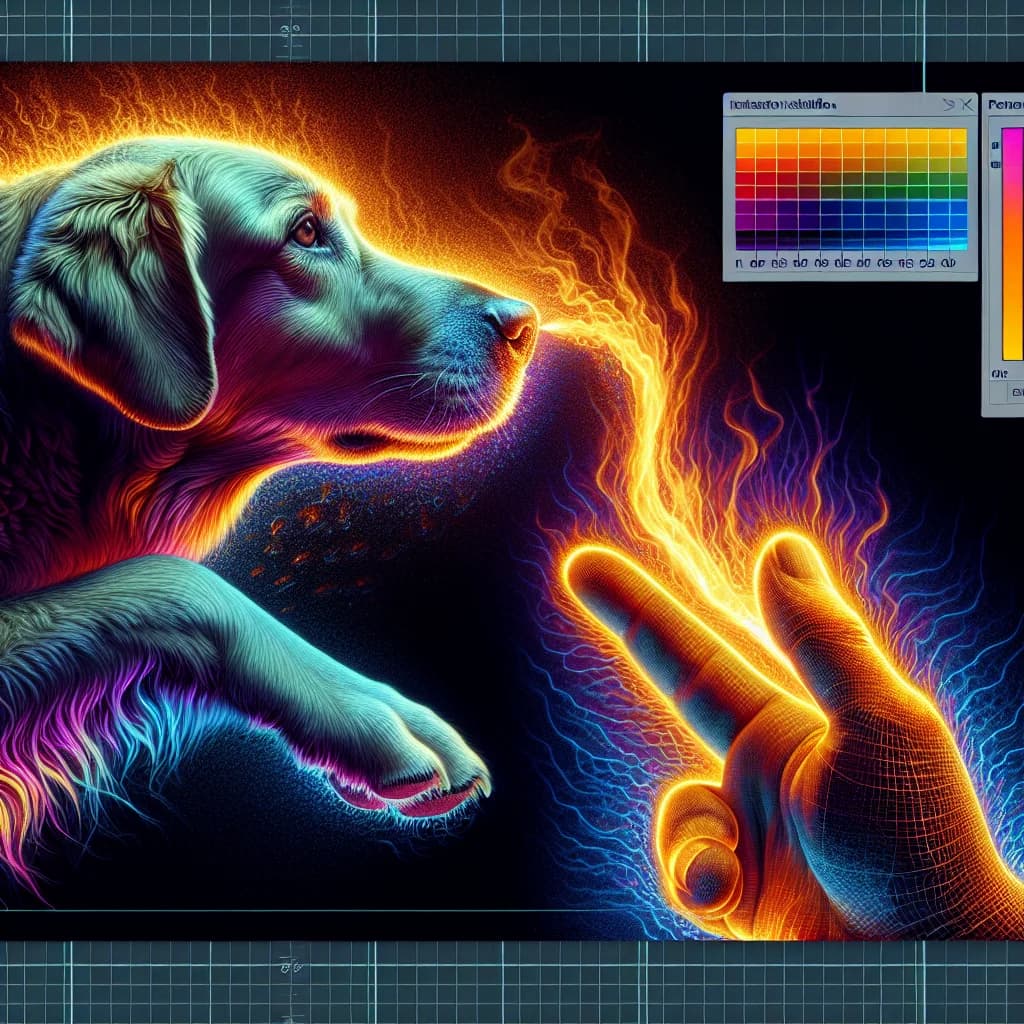
One of the most prominent scientific explanations for the head tilt involves how dogs process sound. While dogs can hear frequencies much higher than humans, they are not always as efficient at pinpointing the exact origin of a sound, particularly on a vertical plane. A dog’s outer ear, or pinna, is designed to capture sound waves and funnel them into the ear canal.
By tilting their head, dogs change the orientation of their pinnae. This adjustment alters the time it takes for a sound to reach each ear and changes the intensity of the sound waves. This process, known as auditory localization, allows the dog’s brain to triangulate the source of the noise more accurately. When you speak, your dog may be adjusting their head to better "map" your voice and ensure they are capturing every inflection and tone you use.
Improving Visual Perspective and Social Cues
In addition to auditory benefits, the head tilt may be a response to visual obstructions. In 2013, Dr. Stanley Coren, a professor of canine psychology, hypothesized that a dog’s muzzle can partially block their vision, particularly the lower half of a human’s face. Since dogs rely heavily on reading human facial expressions—specifically the movement of the mouth and eyes—to interpret intent, a long muzzle can act as a physical barrier.
By tilting the head to the side, a dog shifts their perspective, allowing them to see the owner’s mouth and full facial structure more clearly. This theory is supported by observations that brachycephalic breeds (dogs with flatter faces, like Pugs or Bulldogs) tend to tilt their heads less frequently than dolichocephalic breeds (dogs with longer muzzles, like Greyhounds or German Shepherds), as the shorter muzzle provides less of a visual obstruction.
Cognitive Processing and the "Gifted Word Learner"
Recent research has shifted the focus from purely physical explanations to cognitive ones. A 2021 study published in the journal Animal Cognition by researchers at Eötvös Loránd University in Budapest found a strong correlation between head tilting and mental processing. The study focused on "Gifted Word Learner" dogs—those capable of learning the names of dozens of toys.
The researchers observed that these gifted dogs tilted their heads significantly more often than "typical" dogs when asked to retrieve a specific toy. This suggests that the head tilt is a sign of intense concentration and the mental processing of familiar labels. When your dog tilts their head while you speak, they may be actively scanning their "mental database" to match your words with known commands, objects, or experiences.
Social Reinforcement and Communication
While the behavior has biological and cognitive origins, it is also influenced by the human-animal bond. Dogs are highly sensitive to social reinforcement. When a dog tilts its head, owners frequently respond with high-pitched "baby talk," physical affection, or treats. Because dogs are masters of associative learning, they may repeat the behavior to elicit a positive reaction from their owners. This creates a feedback loop that strengthens the communicative link between the two species.
Conclusion
The canine head tilt is a multifaceted behavior that highlights the remarkable sensory and cognitive capabilities of pet dogs. Whether it is a functional adjustment to improve hearing and vision or a sign of deep mental engagement and word processing, the tilt serves as a testament to the dog's dedication to understanding their human counterparts. By recognizing the science behind these movements, owners can gain a deeper appreciation for their pet's intelligence and the complex ways they perceive human communication. While the head tilt is almost always a healthy sign of an attentive dog, owners should always monitor for signs of persistent tilting accompanied by loss of balance, which may indicate a medical issue like an ear infection or vestibular disease, necessitating a consultation with a veterinary professional.