Why do pet dogs use the fading scent of their owners to predict when they will return home
Your dog doesn't just miss you; they are literally "smelling" the time until you walk through the door. Discover the fascinating science behind the "scent clock" and how your pup uses your fading aroma to predict your arrival with uncanny accuracy.


Too Long; Didn't Read
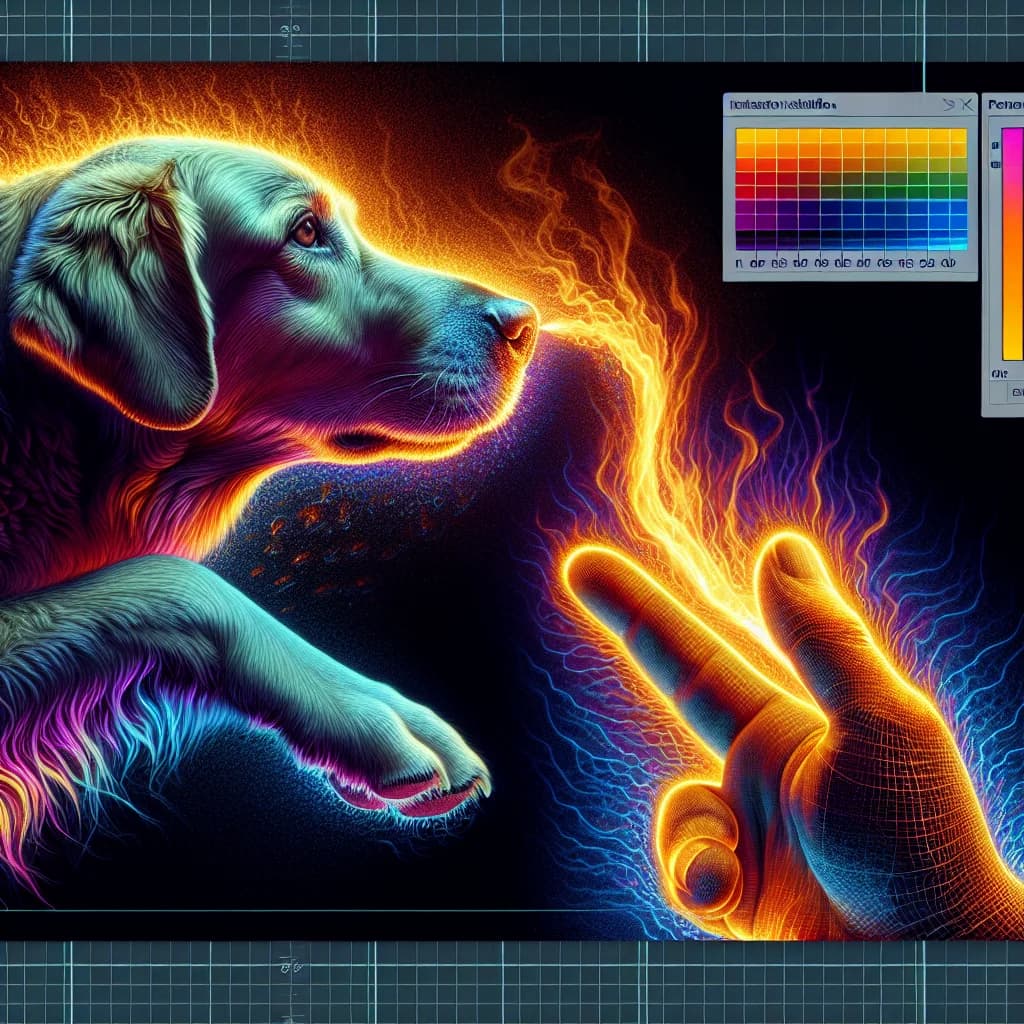
Dogs track the diminishing intensity of their owner's aroma to gauge the passage of time. By associating specific levels of faded scent with the moment their owner usually walks through the door, dogs create a scent clock that allows them to accurately predict when it is time for a homecoming.
Sensing Your Arrival: Why Do Pet Dogs Use the Fading Scent of Their Owners to Predict When They Will Return Home?
Many dog owners have experienced the heartwarming phenomenon of returning home to find their canine companion already waiting expectantly at the door. While it is tempting to attribute this to a "sixth sense" or psychic connection, the reality is rooted in the sophisticated biological machinery of the canine nose. Understanding why do pet dogs use the fading scent of their owners to predict when they will return home offers a fascinating window into how dogs perceive time. This behavior is not just a charming quirk; it is a testament to the importance of olfactory cues in animal welfare and the human-animal bond. By exploring the concept of the "scent clock," this post explains how dogs utilize environmental changes to navigate their daily routines.
The Biological Powerhouse: Understanding the Canine Nose
To understand how dogs "smell time," we must first acknowledge the sheer scale of their olfactory capabilities. While humans possess roughly six million olfactory receptors, dogs boast up to 300 million, depending on the breed. Furthermore, the portion of a dog’s brain dedicated to analyzing smells is approximately 40 times larger than ours.
Dogs utilize a process called "dual-pathway breathing," which allows them to sniff continuously without interrupting their regular respiratory cycle. This constant intake of data means they are not just smelling what is present, but also how that scent is changing. In a domestic setting, the most significant scent profile is that of their human caretaker.
The Scent Clock Theory: How Odor Predicts Time
The primary explanation for this predictive behavior is the "scent clock" theory, popularized by cognitive scientist Alexandra Horowitz. This theory suggests that dogs do not perceive time as a linear series of minutes and seconds, but rather as a concentration of odors.
How Volatile Organic Compounds (VOCs) Dissipate
When an owner leaves the house, they leave behind a concentrated cloud of their unique scent—composed of skin cells, sweat, and oils (Volatile Organic Compounds). As the day progresses, several physical processes occur:
- Diffusion: Scent molecules move from areas of high concentration to low concentration, eventually spreading thin throughout the room.
- Airflow: Heating, cooling, and natural drafts carry scent molecules out of the house or move them to different heights.
- Decay: The intensity of the owner’s scent physically diminishes over several hours.
Predicting the Return
Through repeated daily cycles, a dog learns to associate a specific "low" level of their owner’s scent with the moment the owner typically walks through the door. If an owner usually returns after eight hours, the dog recognizes that when the scent has faded to a certain threshold, the arrival is imminent. Essentially, the dog is measuring the passage of time by the depletion of the owner's olfactory signature.
Circadian Rhythms vs. Olfactory Cues
While the scent clock is a primary driver, it works in tandem with a dog's circadian rhythm—their internal biological clock. Animal behavior research indicates that dogs are highly sensitive to:
- Light Levels: The angle of the sun and the shifting of shadows.
- Environmental Cues: The sound of a particular school bus or the movement of neighbors.
- Internal States: Metabolic changes, such as the onset of hunger or the need to eliminate.
However, the scent clock remains unique because it is highly specific to the individual owner. Studies have shown that if an owner’s scent is artificially "refreshed" (for example, by having a family member move a worn t-shirt mid-day), the dog may become confused and fail to predict the owner’s return accurately, proving that scent is the dominant variable in their temporal perception.
Practical Implications for Pet Care and Welfare
Understanding that dogs rely on scent consistency can significantly improve animal husbandry, particularly for dogs suffering from separation anxiety.
- Routine Consistency: Maintaining a regular schedule helps the dog "calibrate" its scent clock, reducing stress.
- Scent Enrichment: Providing a recently worn piece of clothing can provide comfort, but owners should be aware that it may also "reset" the dog's internal timer.
- Predictability: Knowing that a dog is tracking your absence through scent highlights the importance of gradual desensitization when changing work schedules.
Conclusion
The ability of dogs to predict their owner's return is a masterclass in biological adaptation. By answering the question of why do pet dogs use the fading scent of their owners to predict when they will return home, we reveal a world where time is smelled rather than seen. This "scent clock" is a vital component of the canine experience, blending sophisticated biology with an emotional bond. Recognizing the complexity of our dogs' sensory lives allows us to become more empathetic and responsible owners. As we continue to study the intricacies of animal behavior, we gain a deeper appreciation for the silent, olfactory conversations happening in our homes every day. For those concerned about their pet’s transition to new routines, consulting a certified animal behaviorist can provide further tailored insights into managing a dog's unique perception of time.