Why do pet dogs wag their tails toward the right when happy but toward the left when anxious
Your dog’s tail is more than just a happy motor; it’s a directional compass for their deepest emotions. Discover the fascinating brain science behind why a subtle shift to the left or right could be the secret key to understanding your pup’s hidden feelings.

Too Long; Didn't Read
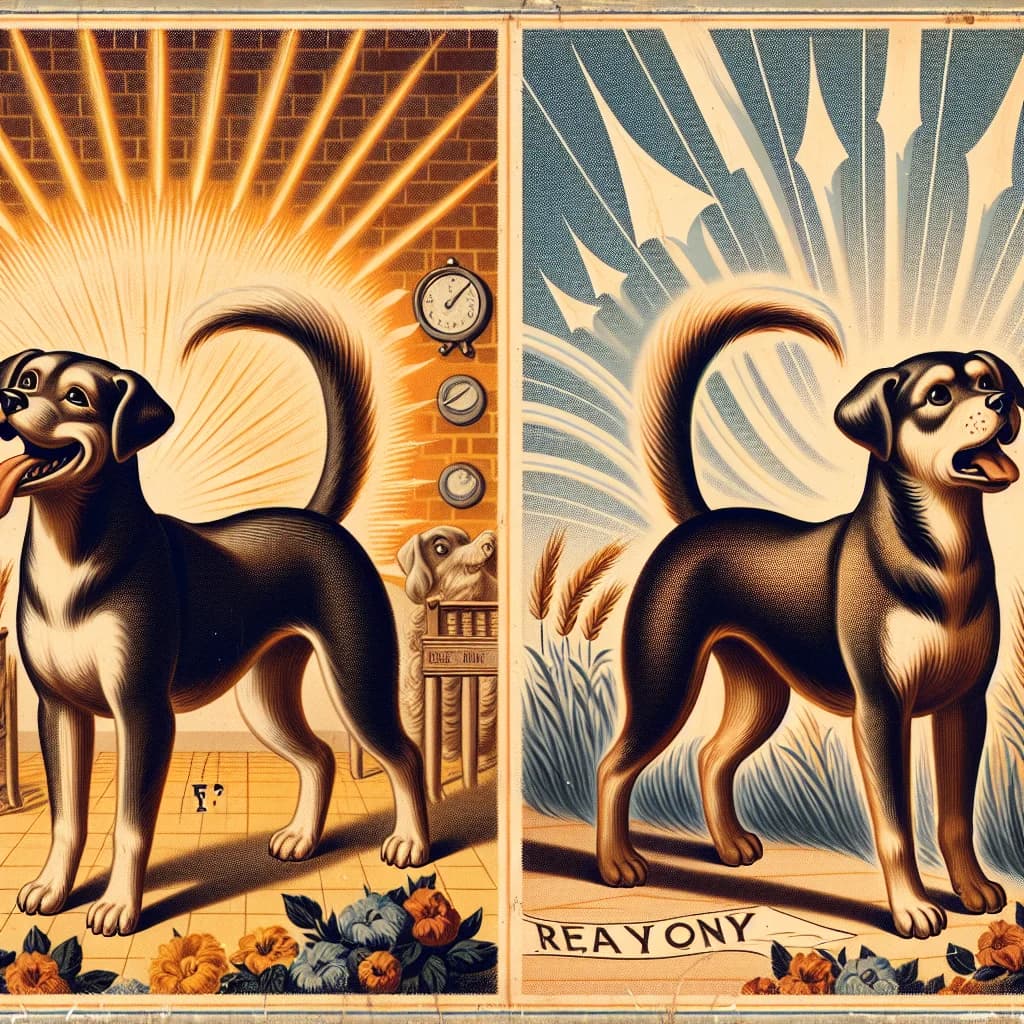
Dogs wag to the right when positive emotions activate the brain’s left hemisphere and to the left when anxiety or fear triggers the right hemisphere. This physical asymmetry reflects how different sides of a dog’s brain process specific social and emotional stimuli.
The Science of Tail Wags: Why Do Pet Dogs Wag Their Tails Toward the Right When Happy but Toward the Left When Anxious?
For centuries, humans have viewed the wagging tail as the ultimate symbol of canine joy. However, as veterinary science and ethology—the study of animal behavior—have advanced, we have discovered that a wag is far more than a simple "happiness meter." It is a sophisticated communication tool rooted deeply in the architecture of the canine brain. Recent groundbreaking research has revealed a fascinating nuance: the direction of the wag matters. Understanding why do pet dogs wag their tails toward the right when happy but toward the left when anxious provides a window into their emotional world, significantly enhancing the human-animal bond and improving animal welfare by allowing us to better interpret their silent language. This blog post will explore the biological lateralization and neurological drivers behind these directional cues.
The Neurological Root: Brain Lateralization
To understand tail direction, we must first look at the canine brain. Like humans, dogs exhibit "brain lateralization," meaning the two hemispheres of the brain specialize in different tasks and emotional processing. This biological phenomenon dictates how the body responds to various stimuli.
In the canine brain:
- The Left Hemisphere is generally associated with "approach" behaviors, positive emotions, and feelings of safety or relaxation.
- The Right Hemisphere is linked to "withdrawal" behaviors, fear, anxiety, depression, and high-arousal stress responses.
Because the brain's wiring is "contralateral"—meaning the left side of the brain controls the right side of the body, and vice-versa—the emotional processing in one hemisphere manifests physically on the opposite side of the dog’s tail.
Right-Biased Wags: The Approach Signal
When a dog encounters a positive stimulus, such as their owner returning home or a familiar, friendly peer, the left hemisphere of their brain becomes highly active. This neural activation sends signals to the muscles on the right side of the tail.
The result is a "right-biased wag," where the tail swings more broadly or forcefully toward the dog's right side. This is a science-based indicator of:
- Positive Engagement: The dog feels comfortable and wants to move toward the stimulus.
- Low Stress Levels: Cortisol levels are typically lower, and the dog is in a state of social receptivity.
- Affiliation: The dog identifies the person or animal as a "friend."
Left-Biased Wags: The Withdrawal Signal
Conversely, when a dog is faced with a stressful or threatening situation—such as an aggressive unfamiliar dog or a situation that triggers "fight or flight" responses—the right hemisphere of the brain takes over. This hemisphere manages energy-expending responses and caution.
This neurological activity translates into a "left-biased wag." Research published in Current Biology indicates that this occurs when dogs feel:
- Anxiety or Fear: The dog is wary of its surroundings and may be considering a retreat.
- Social Stress: Encountering a dominant or aggressive individual often triggers this asymmetrical movement.
- Heightened Alertness: The dog is not in a relaxed state but is instead processing a potential threat.
How Dogs Communicate with Each Other
Interestingly, this directional wagging isn't just a byproduct of brain activity; it is a signal that other dogs can read. In a landmark study by the University of Trento, researchers showed dogs videos of other dogs wagging their tails.
The findings were definitive:
- Response to Left-Wags: When dogs saw a peer wagging toward the left, their heart rates increased, and they showed visible signs of stress and anxiety.
- Response to Right-Wags: When dogs saw a peer wagging toward the right, they remained calm and relaxed.
This suggests that dogs have evolved to pick up on these subtle muscular cues to gauge the intentions of others, helping them avoid conflict and maintain social harmony.
Practical Tips for Pet Owners
While these movements can be subtle, observing your dog’s tail bias can help you provide better care and enrichment. To accurately assess your dog's tail, keep the following in mind:
- Observe from Behind: It is easiest to see the "bias" of the swing by looking at the dog from the rear.
- Context is Key: Always pair tail direction with other body language markers, such as ear position, pupil dilation, and body tension.
- Respect the "Left": If you notice your dog wagging toward the left during a social encounter, they may be feeling overwhelmed. It is best to give them space or remove them from the situation.
Conclusion
Understanding why do pet dogs wag their tails toward the right when happy but toward the left when anxious allows us to move beyond the myth that every wag is a sign of friendliness. By recognizing that tail direction is a physical manifestation of brain lateralization, we gain an evidence-based tool for assessing a dog’s emotional state. This scientific insight is invaluable for responsible pet ownership, as it empowers us to advocate for our dogs' comfort and safety in various environments. As we continue to decode the complexities of canine behavior, we strengthen the unique and profound connection we share with our domestic companions. Always remember to observe your dog closely and consult with a certified animal behaviorist if you notice persistent signs of anxiety or stress.