Why do pet ferrets fall into a bizarrely deep sleep that makes them completely unresponsive even when handled
Ever picked up your ferret only to find them completely limp and unresponsive, as if they’ve suddenly passed away? Discover the heart-stopping phenomenon of “dead sleep” and the biological secret behind why these pets fall into a slumber so deep it perfectly mimics death.

Too Long; Didn't Read
Ferrets experience a phenomenon known as ferret dead sleep, where they become completely limp and unresponsive to touch or sound. This is typically a normal result of their high metabolism and intense activity levels requiring periods of profound, restorative exhaustion, though owners should monitor for underlying health issues if it occurs alongside other symptoms.
The Science of Slumber: Why Do Pet Ferrets Fall Into a Bizarrely Deep Sleep That Makes Them Completely Unresponsive Even When Handled?
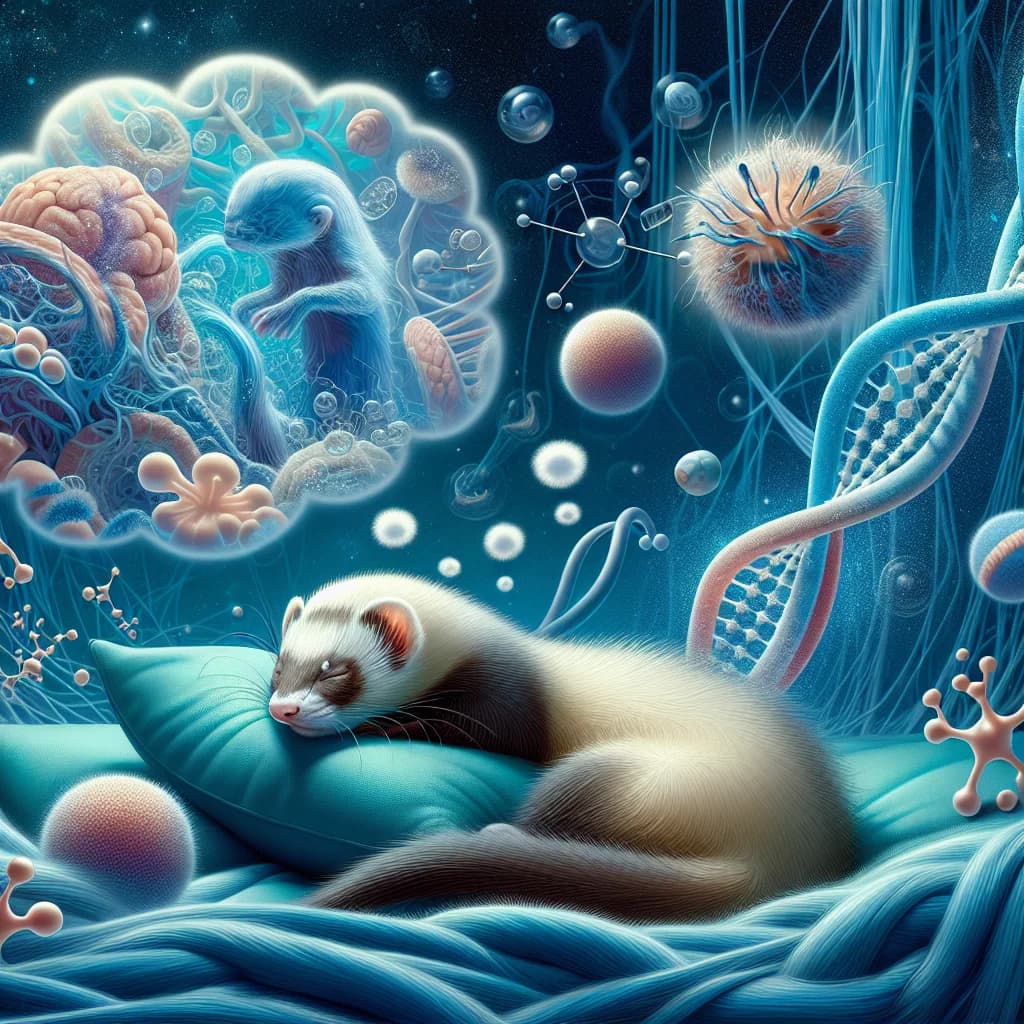
For many new owners of Mustela putorius furo, or the domestic ferret, there comes a moment of sheer panic when they pick up their sleeping pet and find it completely limp, resembling a "wet noodle." This phenomenon, affectionately known in the community as "Ferret Dead Sleep" (FDS), can be terrifying for those unprepared for it. Despite being handled, shaken, or even called loudly, a ferret in this state remains entirely unresponsive. Understanding the biological and behavioral mechanisms behind this behavior is not only a matter of curiosity but a vital component of responsible animal husbandry. This blog post explores the physiological reasons why do pet ferrets fall into a bizarrely deep sleep that makes them completely unresponsive even when handled, and how owners can distinguish this normal state from a medical emergency.
The Biological Mechanics of Deep REM Sleep
Ferrets are renowned for their high energy levels, but they spend roughly 18 to 20 hours of their day sleeping. The most significant reason for their unresponsiveness is the depth of their REM (Rapid Eye Movement) sleep cycle. During this phase, the brain is highly active, but the body enters a state of temporary muscle atonia—a natural paralysis that prevents the animal from acting out its dreams.
Because ferrets have an exceptionally high metabolic rate and lead a physically demanding lifestyle when awake, their bodies require intense periods of recovery. Veterinary research suggests that during FDS, the ferret’s heart rate and respiratory rate slow significantly to conserve energy. This deep level of exhaustion-induced slumber allows the neurological system to process information and the physical body to repair tissues, making the ferret essentially "offline" to the outside world.
Evolutionary Context: The Crepuscular Lifestyle
To understand why do pet ferrets fall into a bizarrely deep sleep that makes them completely unresponsive even when handled, we must look at their ancestry. Ferrets are crepuscular, meaning they are naturally most active during the low-light hours of dawn and dusk. In the wild, their ancestors needed to maximize energy conservation during the day to be effective hunters during their brief windows of activity.
Domestic ferrets have retained this biological programming. Their ability to "shut down" completely is an evolutionary adaptation that ensures they are fully recharged for the high-intensity bursts of hunting (or, in the domestic setting, "war dancing" and play) required for their survival. Unlike prey animals that must remain alert to predators even while resting, ferrets—as small predators themselves—often feel secure enough in their dens to reach these profound levels of unconsciousness.
Distinguishing "Dead Sleep" from Medical Emergencies
While FDS is a normal biological occurrence, it is crucial for owners to differentiate it from medical lethargy or a hypoglycemic crash. Conditions such as insulinoma (a common pancreatic tumor in ferrets) can cause a ferret to become unresponsive due to dangerously low blood sugar.
To ensure your pet is simply experiencing a deep sleep and not a medical crisis, observe the following signs:
- Gum Color: A sleeping ferret will have healthy, pink gums. If the gums are pale, blue, or muddy-colored, it is a medical emergency.
- Body Temperature: During FDS, the ferret’s body will remain warm. A ferret that is cold to the touch and unresponsive requires immediate veterinary attention.
- Breathing: While slow, the breathing during sleep will be steady. Labored, shallow, or gasping breaths are indicative of distress.
- Stimulus Response: Most ferrets in FDS will eventually "reboot" if you gently rub their bellies or put a small amount of a favorite treat paste on their nose. A ferret in a medical coma will not react to these stimuli.
Practical Guidelines for Owners
Because being startled out of such a deep sleep can be stressful or even cause a "nip" reflex, owners should generally allow ferrets to wake up on their own. If you must wake them, do so gradually by speaking softly or gently stroking their fur before picking them up. Providing a dark, quiet, and secure sleeping environment—such as a hanging fleece hammock or a dedicated nesting box—supports their natural sleep cycles and overall well-being.
Conclusion
Understanding why do pet ferrets fall into a bizarrely deep sleep that makes them completely unresponsive even when handled is an essential part of the human-ferret bond. This unique trait is a testament to their high-octane biology and their evolutionary history as crepuscular predators. While the sight of a completely limp ferret can be startling, it is usually a sign of a very relaxed and healthy animal recovering from a day of intense activity. By learning to recognize the difference between a deep restorative slumber and a medical emergency, owners can ensure their pets lead safe, healthy, and well-rested lives. Always consult with a ferret-knowledgeable veterinarian if you notice changes in your pet’s sleeping patterns or overall responsiveness.