Why do pet ferrets perform a frantic arched-back hopping behavior known as the weasel war dance when excited
Ever wondered why your ferret suddenly explodes into a chaotic, sideways-bouncing frenzy? Discover the heartwarming science behind the "weasel war dance" and why this hilarious display is the ultimate sign of a happy pet.

Too Long; Didn't Read
Ferrets perform the weasel war dance to express pure joy, excitement, and a desire for play. This frantic, arched-back hopping is a harmless way for them to release pent-up energy and communicate happiness. While the behavior is rooted in a wild hunting tactic used to disorient prey, in domestic ferrets, it is simply a sign of a happy and stimulated pet.
Joy in Motion: Why Do Pet Ferrets Perform a Frantic Arched-Back Hopping Behavior Known as the Weasel War Dance When Excited?
Ferrets (Mustela furo) are renowned for their high energy and inquisitive nature, traits that have endeared them to humans for over 2,000 years. Among their most distinctive and captivating behaviors is the "weasel war dance"—a frantic display involving arched backs, sideways hopping, and an apparent loss of motor coordination. While this spectacle can appear alarming to a first-time owner, it is a fundamental aspect of ferret biology and social communication. Understanding why do pet ferrets perform a frantic arched-back hopping behavior known as the weasel war dance when excited? is essential for any owner wishing to provide proper husbandry. This behavior serves as a vital indicator of a ferret's emotional state and physical well-being. This blog post explores the evolutionary roots, neurological triggers, and social implications of this unique mustelid behavior.
Anatomy of the Dance: What is Happening?
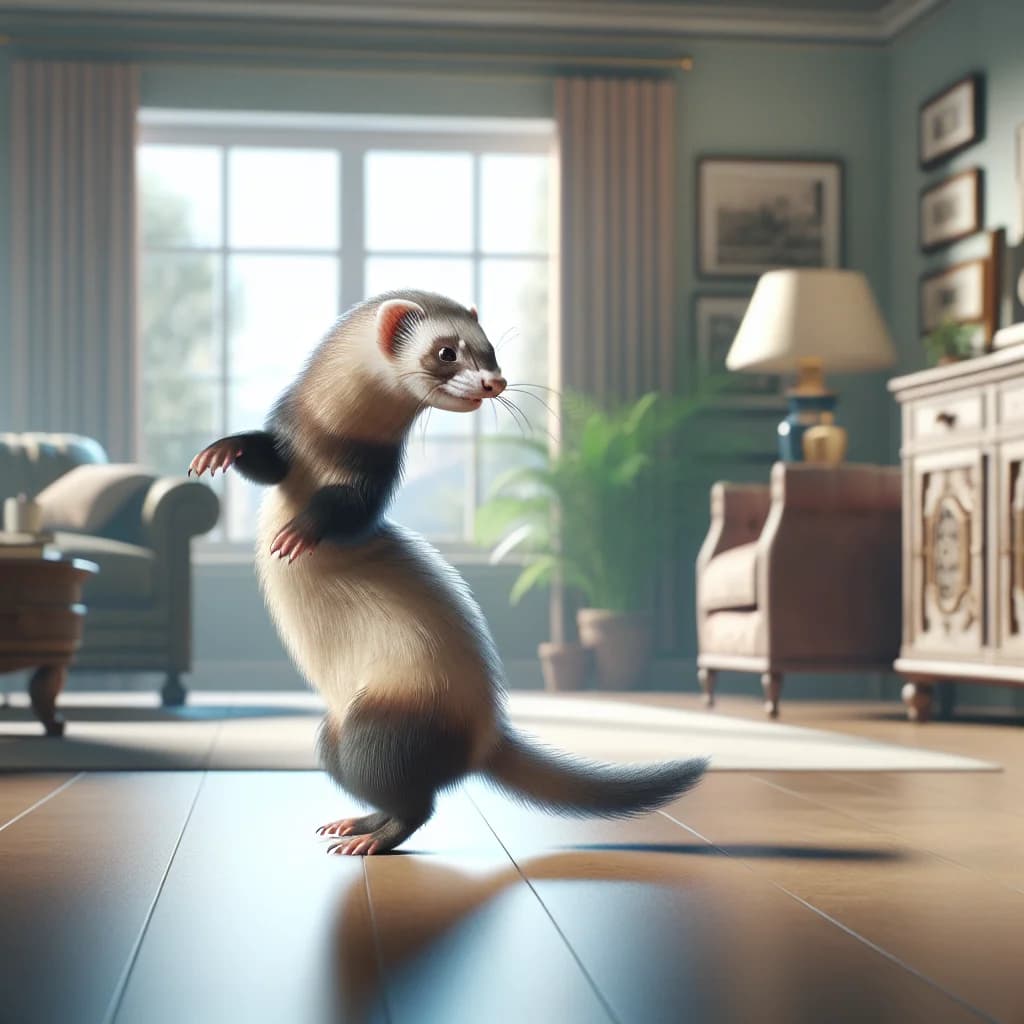
The weasel war dance is characterized by a specific set of physical actions that signal a state of high arousal. When a ferret enters this "dance" mode, they typically exhibit the following:
- Arched Back: The ferret curves its spine upward, making itself appear larger.
- Sideways Hopping: Instead of moving forward, the ferret lunges in various directions, often colliding with walls or furniture.
- Puffed Tail: Known as "pilorection," the fur on the tail may stand on end, indicating intense excitement or a defensive posture.
- Vocalizations: Many ferrets accompany the dance with low-frequency rhythmic noises known as "dooking."
- Open Mouth: Often referred to as a "play pant," the ferret may keep its mouth open during the hopping.
In a domestic setting, this behavior is a non-aggressive expression of pure "joie de vivre." It is a physical release of pent-up energy, often triggered by the sight of a favorite toy, the return of a human companion, or the start of a play session with another ferret.
Evolutionary Origins: From Hunting to Play
To understand why ferrets perform this dance, we must look at their wild ancestors and relatives, such as the stoat or the European polecat. In the wild, members of the mustelid family have been observed performing similar erratic movements when hunting. This is often referred to as a "hypnotic dance."
Zoologists believe that in a predatory context, these frantic movements serve to confuse and disorient prey, such as rabbits. By appearing unpredictable and non-threatening through strange hopping, the mustelid can get closer to its target before the prey realizes the danger. In domestic ferrets, the predatory intent has been largely bred out or redirected into social play. What was once a tactical hunting maneuver has evolved into a ritualized signal of playfulness and social engagement.
The Role of High Arousal and Social Bonding
From a behavioral science perspective, the weasel war dance is a manifestation of a "high-arousal state." When a ferret’s environment becomes stimulating, their sympathetic nervous system is activated. Unlike the "fight or flight" response, which is associated with fear, this is a "play" response.
Distinguishing Play from Fear
While the war dance is usually a sign of happiness, it is important to distinguish it from a fear-based response.
- Playful Dance: The ferret often seeks out interaction, "dooks," and maintains a soft, relaxed gaze despite the frantic movement.
- Fearful Reaction: If the ferret is arched but backing away, hissing, or attempting to hide, the behavior is rooted in stress rather than excitement.
Veterinary behaviorists emphasize that the war dance is a crucial social lubricant. When ferrets dance together, they are communicating that their intentions are peaceful and that the subsequent "nipping" or wrestling is purely recreational.
Creating a Safe Environment for the Dance
Because the weasel war dance involves a temporary loss of spatial awareness—ferrets will frequently hop off ledges or bang into objects—owners must ensure the environment is "ferret-proofed."
- Soft Landings: Ensure play areas have rugs or mats to provide traction and cushioning.
- Blocking Hazards: Seal off gaps behind appliances where a hopping ferret might accidentally wedge themselves.
- Vertical Safety: Since ferrets lack a strong sense of depth perception, ensure they cannot hop off high surfaces during their excitement.
Conclusion
Understanding why do pet ferrets perform a frantic arched-back hopping behavior known as the weasel war dance when excited? provides a window into the complex evolutionary history and emotional lives of these animals. Far from being a sign of distress or illness, the war dance is a hallmark of a healthy, stimulated, and happy ferret. It is a bridge between their wild predatory ancestors and their modern roles as beloved domestic companions. By recognizing and encouraging this behavior through safe play and enrichment, owners can significantly enhance the human-animal bond. If you ever notice your ferret becoming lethargic or failing to engage in their usual "dance" during playtime, it is always best to consult with a veterinarian specializing in exotic pets to ensure there are no underlying health issues.