Why do pet ferrets perform a frantic sideways hop known as the weasel war dance when they are excited
Ever wondered why your ferret suddenly transforms into a chaotic, sideways-hopping blur of fur? Discover the surprising science and pure joy behind the "weasel war dance"—the ultimate sign that your pet is having the time of its life.

Too Long; Didn't Read
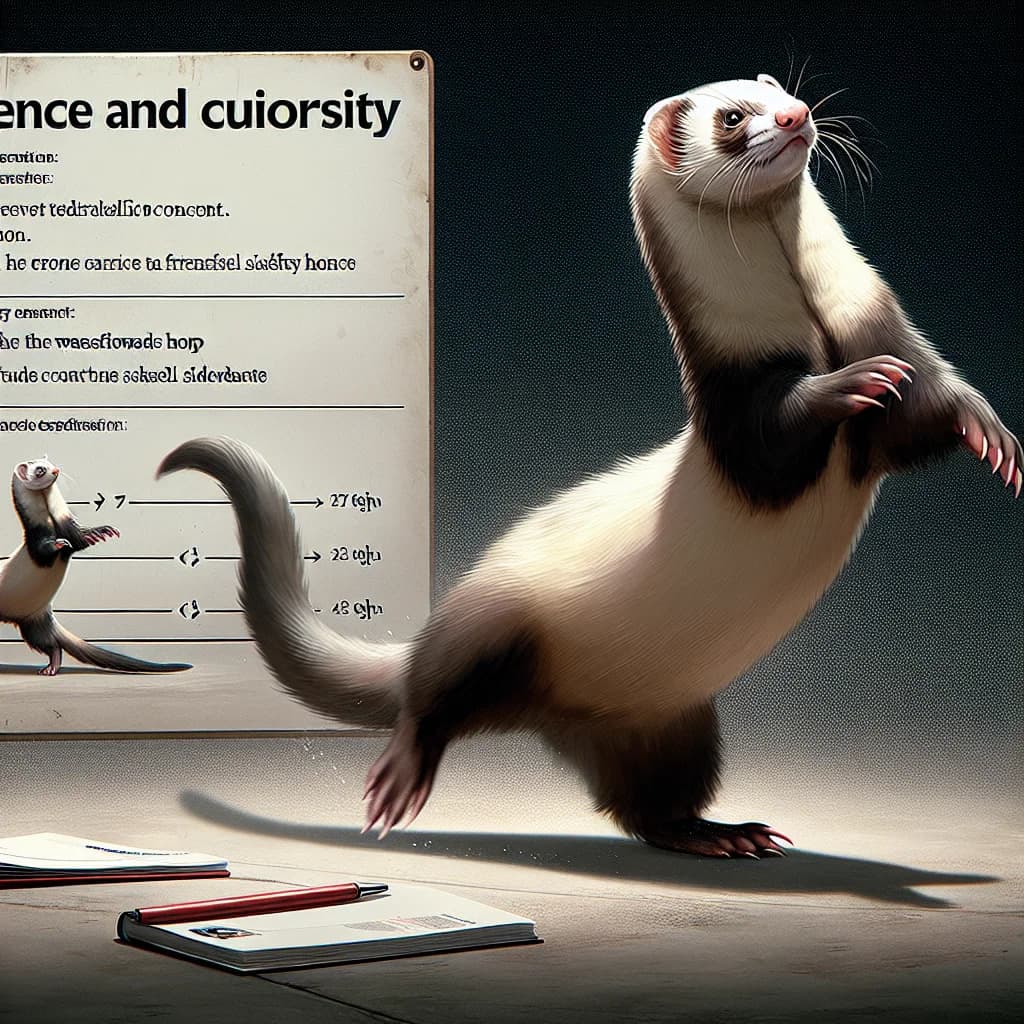
The weasel war dance is a frantic display of hops and sideways leaps that pet ferrets perform to express pure joy and excitement. While historically rooted in a wild hunting tactic used to disorient prey, in domestic ferrets, it is a non-aggressive invitation to play and a sign of a very happy pet.
The Joyful Leap: Why Do Pet Ferrets Perform a Frantic Sideways Hop Known as the Weasel War Dance When They are Excited?
Ferrets (Mustela furo) are among the most charismatic and energetic companions in the domestic animal world. As members of the Mustelidae family, they possess a rich repertoire of complex behaviors that reflect their evolutionary history as skilled hunters. One of the most captivating and distinctive behaviors a ferret owner will witness is the "weasel war dance." This display of exuberant energy—characterized by arched backs, fluffed tails, and erratic sideways leaps—often leaves new owners wondering about the biological or psychological state of their pet. Understanding why do pet ferrets perform a frantic sideways hop known as the weasel war dance when they are excited? is essential for any owner. This post explores the science, history, and behavioral significance of this unique mustelid expression, highlighting its role in social bonding and animal welfare.
Anatomy of the Dance: Defining the Behavior
The "weasel war dance" is a colloquial term for a high-intensity play display. When a ferret enters this state, it exhibits several distinct physical markers:
- The Sideways Hop: The ferret moves laterally with its back arched, often bouncing off walls or furniture.
- Piloerection: The fur on the tail often stands on end (frequently called a "bottle-brush tail"), which is a physiological response to high arousal.
- Vocalization: Many ferrets accompany the dance with a soft clucking or chirping sound known as "dooking."
- Open Mouth: The ferret may keep its mouth open in a "play pant," which mimics the relaxed jaw seen in dogs during play.
From a behavioral science perspective, this is a form of "locomotor play." It involves spontaneous, rhythmic, and exaggerated movements that serve no immediate survival purpose but are indicative of a positive emotional state and high levels of dopamine and adrenaline.
Evolutionary Roots: From Predator to Playmate
To understand why domestic ferrets perform this dance, we must look at their wild ancestors, likely the European polecat. In the wild, members of the weasel family have been observed performing similar erratic movements when encountering prey, such as rabbits.
Biologists have historically debated whether this "dance" serves as a predatory tactic to disorient or "hypnotize" prey through confusion. By performing unpredictable movements, the predator may cause the prey to freeze in bewilderment, allowing for a successful strike. However, in the context of the domestic ferret, this predatory instinct has been repurposed into a social and celebratory signal. While the motor patterns remain the same, the intent has shifted from hunting to a pure expression of vitality and social engagement.
Communication and the Human-Animal Bond
The weasel war dance is a vital communication tool. It signals to other ferrets—and to human caretakers—that the animal is in a non-aggressive, playful mood. In the veterinary community, this behavior is often used as a clinical indicator of a ferret’s well-being. A ferret that regularly engages in the war dance is typically healthy, well-stimulated, and comfortable in its environment.
Differentiating Play from Aggression
While the dance can look frantic, it is rarely a sign of anger. Owners can distinguish play from fear or aggression by observing these nuances:
- Dooking vs. Hissing: Dooking is a sign of joy; hissing is a sign of fear or annoyance.
- The "Play Nip": Ferrets may gently mouth their owners during a dance, which is distinct from a defensive bite.
- Recovery: After a war dance, a ferret will typically transition quickly back into a relaxed state or "ferret dead sleep," whereas a stressed animal will remain hyper-vigilant.
Providing an Outlet for Enrichment
Because the war dance is a natural expression of excitement, providing a safe environment for this behavior is a cornerstone of responsible ferret husbandry. Ferrets require "ferret-proofed" spaces where they can hop and bounce without the risk of falling from heights or getting stuck in reclining furniture.
Ethologists suggest that providing tunnels, rice digs, and interactive toys can stimulate the onset of the dance, fulfilling the animal's need for cognitive and physical enrichment. Lack of this behavior in an otherwise active ferret may indicate boredom, illness, or environmental stress, necessitating a consultation with a veterinarian specializing in exotic pets.
Conclusion
Understanding why do pet ferrets perform a frantic sideways hop known as the weasel war dance when they are excited? allows owners to appreciate the deep-seated biological heritage of their pets. Far from being a random "glitch," the war dance is a sophisticated blend of ancestral hunting instincts and modern social play. It serves as a profound indicator of a ferret’s physical health and emotional contentment. By recognizing the signs of the dance—the dooking, the arched back, and the sideways leaps—owners can better bond with their pets and ensure they are providing the high-energy environment these mustelids require. Observing this display is a privilege, offering a window into the joyful, high-spirited nature of one of the world's most unique domestic animals. Always consult a veterinarian if you notice a sudden cessation of playful behaviors to ensure your ferret remains in peak condition.