Why do pet goldfish gradually lose their vibrant orange color and turn white if they live without enough light
Is your vibrant companion slowly fading into a ghostly white? Discover the fascinating biological secret behind why light acts as a "volume knob" for your goldfish’s iconic color—and what happens when the lights go dim.

Too Long; Didn't Read
Goldfish rely on light to produce skin pigments. Without adequate exposure, their bodies stop creating vibrant orange coloration, causing them to gradually fade to white.
Nature’s Living Jewels: Why Do Pet Goldfish Gradually Lose Their Vibrant Orange Color and Turn White If They Live Without Enough Light?
The goldfish (Carassius auratus) is perhaps the most iconic aquatic pet in history, with a lineage of selective breeding dating back over a thousand years to the Tang Dynasty in China. Originally mutated from dull-colored Prussian carp, these fish were prized for their rare golden and orange hues. However, many modern keepers are surprised to find that their vibrant aquatic companions may eventually begin to fade, transitioning from a deep sunset orange to a ghostly white. This phenomenon is not merely a cosmetic quirk but is deeply rooted in the complex biology of the fish and its relationship with its environment. Understanding why do pet goldfish gradually lose their vibrant orange color and turn white if they live without enough light is essential for any hobbyist dedicated to maintaining the health and aesthetic brilliance of these ancient teleost fish.
The Biological Engine of Color: Chromatophores
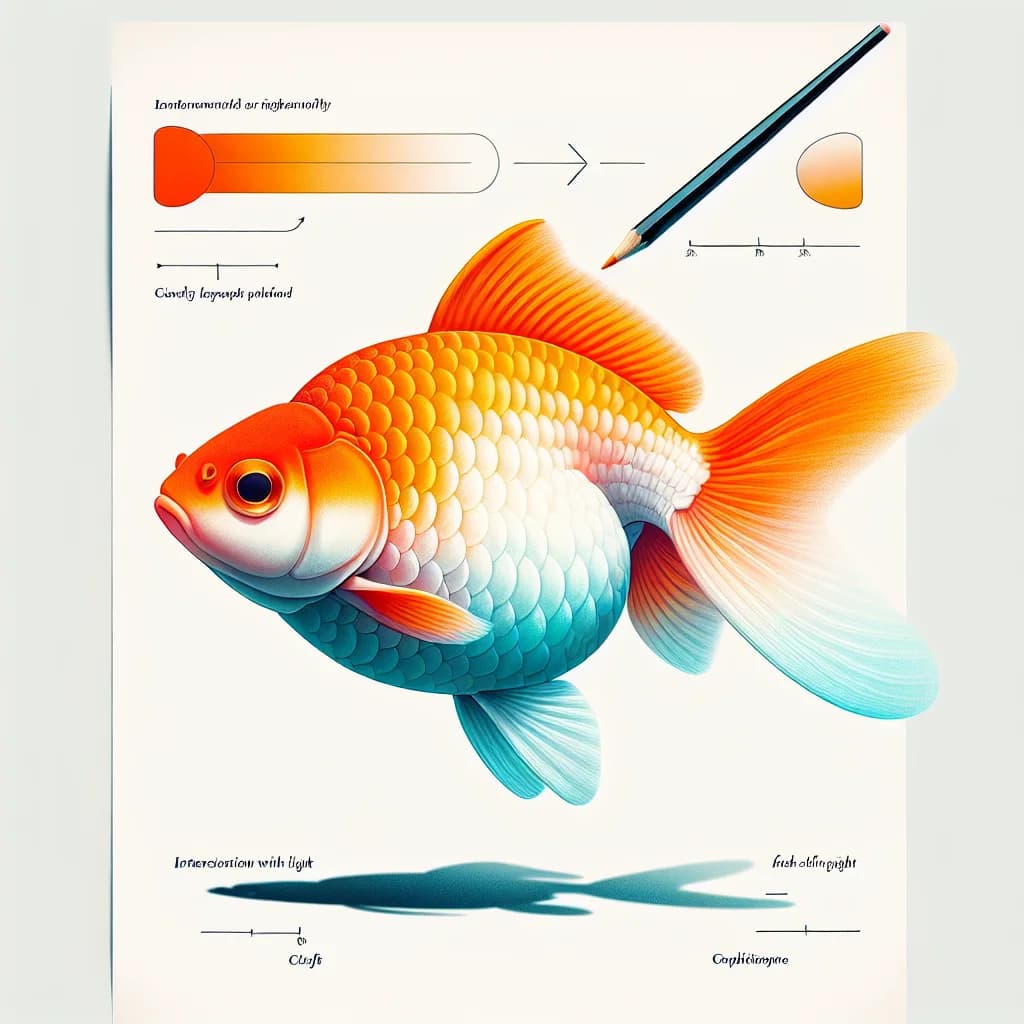
To understand color loss, one must first understand how goldfish produce color. Goldfish possess specialized skin cells called chromatophores. These cells contain pigments that reflect light to produce specific colors. In goldfish, the most common types are:
- Xanthophores: Cells containing yellow pigments.
- Erythrophores: Cells containing red and orange pigments (primarily carotenoids).
- Melanophores: Cells containing melanin, which produces black or dark brown tones.
- Iridophores: Cells containing crystalline guanine that create an iridescent or metallic shimmer.
The intensity and visibility of these pigments are not static. They are regulated by the fish’s endocrine and nervous systems, which respond to external stimuli—most notably, light. When a goldfish is deprived of adequate light, the production of these pigments slows down, and the existing pigment granules within the cells may aggregate or diminish, leading to a "washed out" or white appearance.
The Role of Ultraviolet Light and Melanin Synthesis
Light serves as a biological trigger for pigment synthesis in much the same way that sunlight triggers melanin production (tanning) in human skin. Goldfish evolved as outdoor pond fish, naturally exposed to a full spectrum of sunlight, including Ultraviolet (UV) radiation.
In a domestic aquarium, if the lighting is poor or lacks the necessary spectrum, the fish’s body essentially "turns off" the energy-intensive process of maintaining high pigment levels. Without the stimulus of light, the erythrophores and xanthophores become less active. Biologically, this is an efficiency measure; in the wild, maintaining bright colors is metabolically expensive and increases the risk of predation. If the environment is dark, the fish reverts toward a more "neutral" state. Veterinary studies suggest that while color loss itself isn't a disease, it is a clinical sign that the environment is not mimicking the species' natural habitat, which can eventually impact the fish's circadian rhythms and overall immune function.
Nutritional Synergy: Carotenoids and Light
While light is the catalyst, nutrition provides the raw materials. Goldfish cannot synthesize carotenoids—the organic pigments responsible for red and orange—on their own. They must ingest them through their diet, typically by consuming algae, small crustaceans, or high-quality pelleted food enriched with astaxanthin or spirulina.
However, there is a symbiotic relationship between diet and light. Research in ichthyology indicates that light exposure aids in the metabolic processing of these nutrients. Even with a high-quality diet, a goldfish kept in a dark environment may still turn white because its body lacks the environmental signal to deposit those pigments into the skin cells.
Practical Guidelines for Maintaining Vibrancy
To prevent color fading and ensure optimal animal welfare, keepers should adhere to evidence-based husbandry practices:
- Full-Spectrum Lighting: Use aquarium LEDs or fluorescent bulbs designed for "planted tanks" that offer a full color spectrum (6500K is often recommended) for 8–12 hours a day.
- Carotenoid-Rich Diet: Feed a varied diet including krill, brine shrimp, and high-quality flakes that list "astaxanthin" or "beta-carotene" as ingredients.
- Water Quality Management: Chronic stress from high ammonia or nitrate levels can also cause pigment suppression. Consistent water changes are vital for cellular health.
- Environmental Enrichment: Providing a naturalistic environment with some shaded areas and some brightly lit areas allows the fish to regulate its own exposure.
Conclusion
The transformation of a goldfish from orange to white is a fascinating look into the plasticity of fish biology. The answer to why do pet goldfish gradually lose their vibrant orange color and turn white if they live without enough light lies in the cessation of pigment production within their chromatophores due to a lack of environmental stimulation. For the responsible owner, a faded fish serves as a gentle reminder that our pets are biological reflections of the environments we build for them. By prioritizing proper full-spectrum lighting and nutrient-dense diets, we can ensure that these "living jewels" retain their historical brilliance. If sudden color changes are accompanied by lethargy or loss of appetite, it is always recommended to consult a specialized aquatic veterinarian to rule out underlying pathologies.