Why do pet goldfish lose their bright orange color and turn white when kept in dark environments
Is your vibrant goldfish mysteriously fading into a ghostly white? Discover the hidden science behind how a lack of light acts like a "dimmer switch" on your pet’s pigments and what you can do to restore their brilliant orange glow.

Too Long; Didn't Read
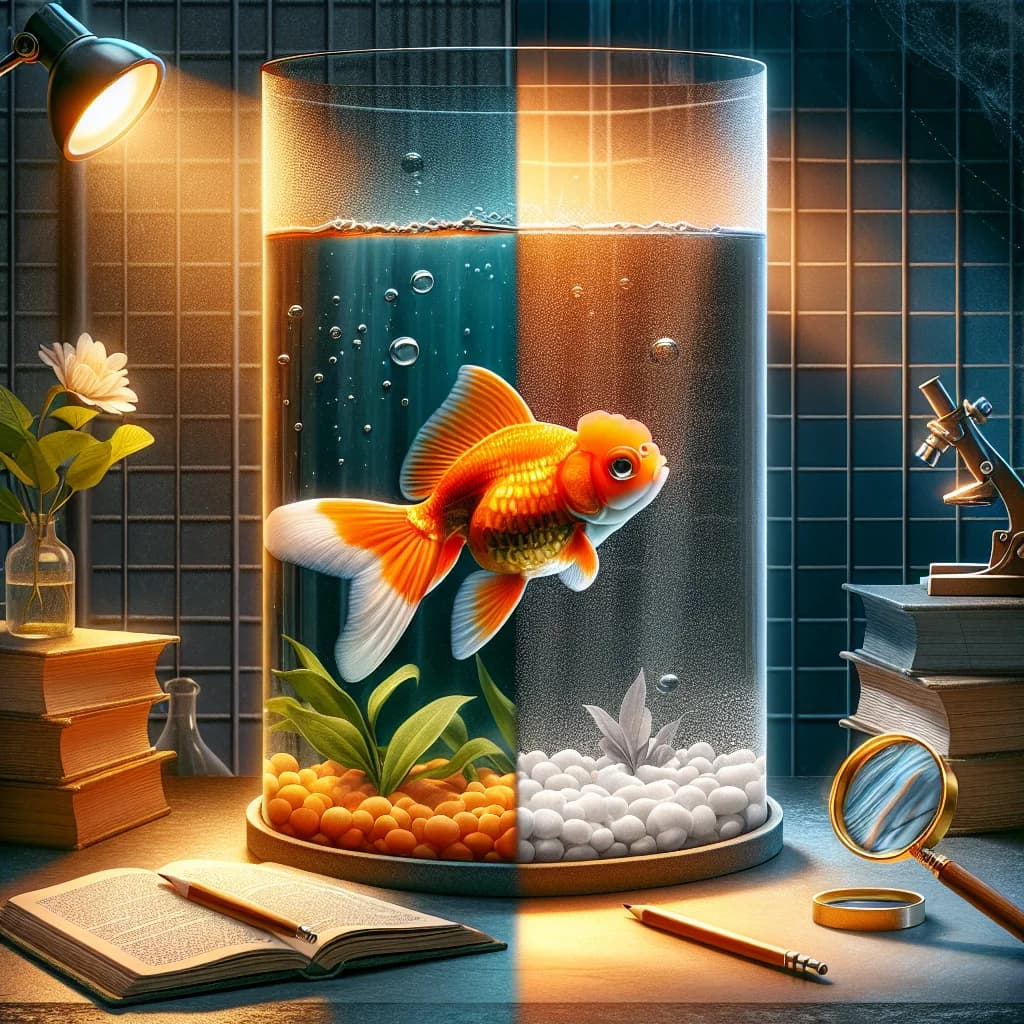
Goldfish lose their orange color in dark environments because they require sunlight to produce pigment. Without light, their pigment cells stop functioning, causing their scales to fade to white much like a person losing a tan.
The Science of Shimmer: Why Do Pet Goldfish Lose Their Bright Orange Color and Turn White When Kept in Dark Environments?
Have you ever noticed your vibrant, sunset-orange goldfish beginning to fade into a ghostly pale white? This transformation can be startling for any aquarium hobbyist, leading many to fear their pet is ill. However, this phenomenon is often not a symptom of disease, but rather a fascinating biological response to the environment. Goldfish (Carassius auratus) possess a complex physiological relationship with light that dictates the brilliance of their scales. Understanding why pet goldfish lose their bright orange color and turn white when kept in dark environments is essential for any responsible owner dedicated to the welfare and aesthetic health of these historic companions. This blog post explores the biological mechanisms of piscine pigmentation, the role of ultraviolet (UV) radiation, and how proper husbandry can maintain a goldfish’s iconic glow.
The Biology of Brilliance: How Goldfish Get Their Color
To understand why color fades, we must first understand where it comes from. The vibrant hues of a goldfish are produced by specialized cells in the skin called chromatophores. Specifically, goldfish rely on xanthophores, which contain yellow and orange pigments, and erythrophores, which contain red pigments.
These pigments are not naturally occurring in the goldfish's body in a vacuum; they are often derived from the fish's diet and activated by environmental factors. Historically, goldfish were selectively bred from dull-colored Prussian carp (Carassius gibelio) in ancient China. Over centuries, breeders selected for mutations that heightened the density and visibility of these chromatophores. However, because these colors were developed through selective breeding rather than natural evolution for survival, they require specific environmental "cues" to remain active.
The Role of Light as a Biological Catalyst
The primary reason goldfish turn white in dark environments is the lack of light as a catalyst for pigment production. Much like human skin produces melanin in response to sunlight, goldfish chromatophores require light to synthesize and maintain pigment.
1. Photosensitivity and Pigment Production
Goldfish are photosensitive organisms. When a goldfish is exposed to a full spectrum of light—including both visible and ultraviolet rays—its body is stimulated to produce pigment to protect its tissues and maintain its appearance. In a dark environment or a tank without adequate lighting, the "production line" for these pigments slows down. Over time, the existing pigment in the cells breaks down and is not replaced, leading the fish to revert to a pale, whitish, or even translucent state.
2. The "Sunburn" Analog
In the wild, carp live in ponds and rivers with ample access to sunlight. Their pigmentation serves as a form of protection against UV radiation. When kept in a dark room or a tank with a broken light fixture, the fish's biological "need" for this protective pigment diminishes. The body reallocates energy away from pigment maintenance, causing the bright orange to fade into a dull white.
Nutritional Foundations of Pigmentation
While light is the catalyst, nutrition provides the raw materials. Goldfish cannot synthesize the pigments found in their xanthophores from scratch; they must ingest carotenoids. These are organic pigments found in algae, certain plants, and small crustaceans.
In a dark environment, the metabolic rate of a goldfish may shift, or the lack of light may affect how they process these nutrients. If a goldfish is kept in the dark and fed a low-quality diet lacking in astaxanthin or spirulina, the fading process is significantly accelerated. High-quality commercial pellets are usually fortified with these color-enhancing nutrients to support the chromatophores' health, but without light to trigger the cells, even the best diet may fail to maintain that signature orange.
Evidence-Based Guidelines for Maintaining Color
If your goldfish has started to turn white due to a dark environment, the process is often reversible with improved husbandry. Veterinary consensus suggests a multi-faceted approach to restoring piscine vibrancy:
- Implement a Natural Light Cycle: Provide 8 to 12 hours of light per day. Using a programmable timer on your aquarium LED hood can simulate a natural day-night cycle, which reduces stress and regulates pigment production.
- Use Full-Spectrum Lighting: Ensure your aquarium light provides the correct spectrum. Many modern LED lights are designed specifically for "color enhancement," providing the wavelengths necessary to stimulate chromatophores.
- Optimize Nutrition: Switch to a high-quality, color-enhancing flake or pellet. Look for ingredients like Spirulina algae, krill meal, or beta-carotene on the label.
- Monitor Water Chemistry: While light is the main factor for color loss in the dark, poor water quality (high ammonia or nitrates) can stress the fish, leading to "clamped fins" and a dulling of the slime coat, which further masks their color.
Conclusion
Understanding why pet goldfish lose their bright orange color and turn white when kept in dark environments reveals the intricate link between an animal's physiology and its surroundings. This transformation is a clear biological signal that the fish’s environment is lacking the necessary stimuli for its natural pigment production. By providing adequate full-spectrum lighting and a carotenoid-rich diet, owners can ensure their goldfish remain healthy and vibrant. Responsible fish keeping goes beyond simple filtration; it requires an appreciation for the biological needs of the species. If you notice a sudden change in your fish’s color despite proper lighting, always consult a veterinarian specializing in aquatic medicine to rule out underlying health issues.