Why do pet goldfish possess the biological ability to survive in oxygen-poor water by producing their own alcohol
Ever wondered how your pet goldfish survives in oxygen-starved water where others would perish? Uncover the mind-blowing evolutionary secret that allows these common fish to stay alive by literally brewing their own internal alcohol.

Too Long; Didn't Read
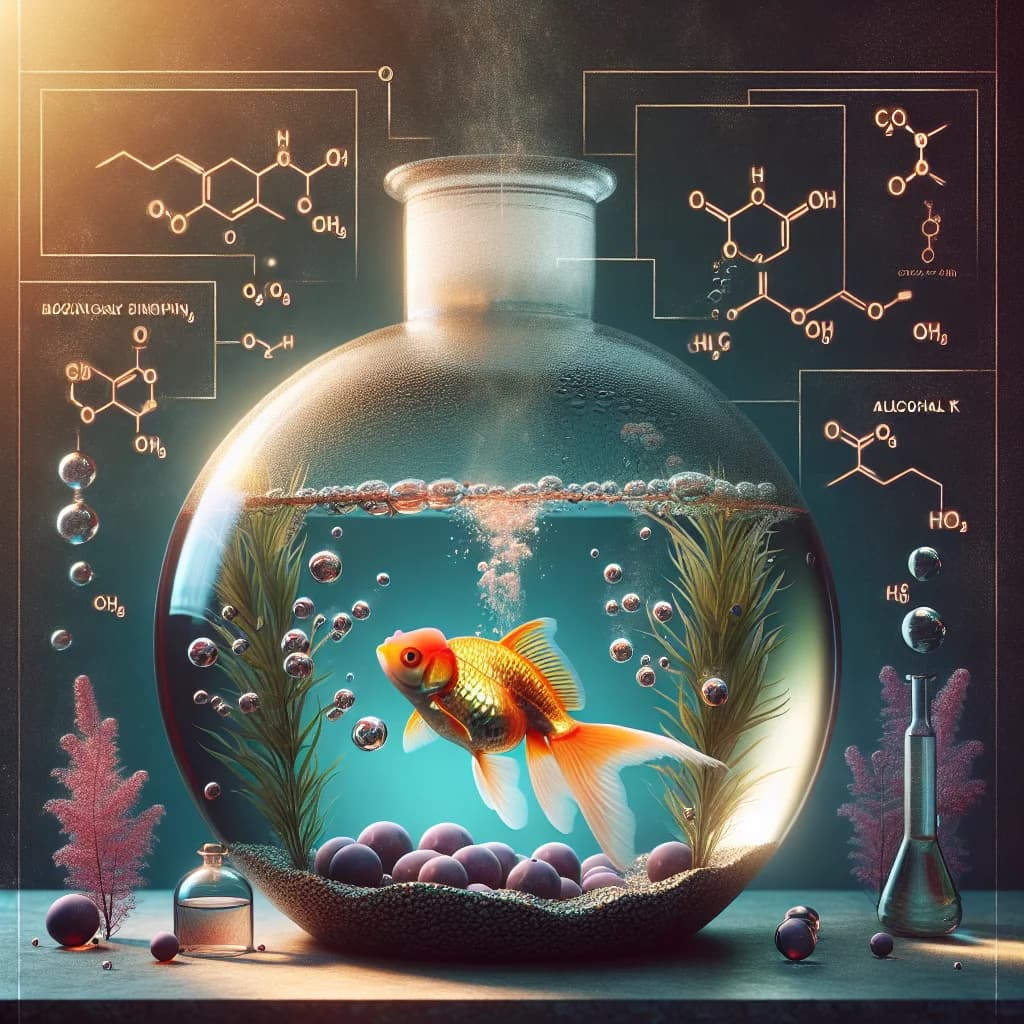
Goldfish and their wild relatives survive in oxygen-depleted frozen ponds by utilizing a unique evolutionary adaptation that converts metabolic byproducts into ethanol. Unlike most vertebrates that suffer from toxic lactic acid buildup during oxygen deprivation, these fish produce alcohol and release it through their gills, allowing them to stay alive for months in harsh conditions.
The Drunken Survivor: Why Do Pet Goldfish Possess the Biological Ability to Survive in Oxygen-Poor Water by Producing Their Own Alcohol?
Most pet owners view the common goldfish (Carassius auratus) as a simple, ornamental addition to the home. However, beneath their shimmering scales lies one of the most sophisticated survival mechanisms in the animal kingdom. While most vertebrates succumb to brain damage or death within minutes of oxygen deprivation, goldfish and their wild relatives, the crucian carp, can survive for months in frozen, oxygen-depleted ponds. This resilience is fueled by a remarkable metabolic trick. Why do pet goldfish possess the biological ability to survive in oxygen-poor water by producing their own alcohol? This post explores the evolutionary history and complex biochemistry behind this "drunken" survival strategy, highlighting how understanding this unique trait is essential for the responsible husbandry and appreciation of these hardy companions.
The Evolutionary Origins of Anoxic Survival
To understand why pet goldfish possess the biological ability to survive in oxygen-poor water by producing their own alcohol, we must look to their ancestor, the crucian carp. These fish evolved in northern European and Asian environments where shallow ponds freeze solid during winter.
When a pond freezes, the ice cap prevents new oxygen from entering the water, and the existing supply is quickly consumed by the pond’s inhabitants. While other fish species perish, the ancestors of our pet goldfish developed a specialized metabolic pathway. This evolutionary adaptation allowed them to occupy ecological niches that were too harsh for predators or competitors, ensuring the survival of the lineage through long, harsh winters.
The Biochemistry of Internal Fermentation
In typical vertebrate biology, cells use oxygen to convert nutrients into energy (aerobic respiration). When oxygen is scarce, bodies switch to anaerobic respiration, which creates lactic acid as a byproduct. In humans and most fish, the buildup of lactic acid in the bloodstream is toxic and leads to rapid metabolic acidosis and death.
Goldfish have evolved a secondary set of enzymes that function when oxygen levels drop to near zero:
- Pyruvate Decarboxylase: Goldfish possess a specialized version of the pyruvate dehydrogenase enzyme complex. While similar to the enzymes found in brewer's yeast, this is nearly unique among vertebrates.
- The Conversion Process: Instead of letting lactic acid reach lethal levels, goldfish convert the metabolic waste into ethanol (alcohol).
- Dissipation via Gills: Because ethanol can easily diffuse across biological membranes, the goldfish can expel the alcohol through its gills into the surrounding water, effectively "flushing" the toxins from its system.
Scientific studies have shown that during peak winter conditions, the blood alcohol concentration in these fish can exceed 50 milligrams per 100 milliliters—well over the legal driving limit for humans in many countries.
Comparing Species: A Unique Vertebrate Feat
While some turtles can survive long periods without oxygen by buffering lactic acid in their shells, the goldfish’s ability to chemically transform its waste into alcohol is a distinct biological marvel. This metabolic flexibility allows them to maintain a heartbeat and brain function at temperatures and oxygen levels that would be fatal to nearly any other pet fish, such as tropical bettas or tetras.
Practical Implications for Goldfish Husbandry
While this biological "superpower" is fascinating, it should not lead to complacency in pet care. Understanding this mechanism reinforces the importance of proper aquarium management:
- Aeration Requirements: Even though goldfish can survive low oxygen, doing so is metabolically taxing. Constant rely on anaerobic pathways can stress the fish's immune system.
- Tank Volume: Small bowls lack the surface area for proper gas exchange. Always use a rectangular tank with a high-quality filter or air stone.
- Temperature Regulation: Higher water temperatures increase a fish's metabolic rate, which in turn increases its demand for oxygen. Ensure your tank is kept in a stable, cool environment to prevent respiratory distress.
Conclusion
The question of why do pet goldfish possess the biological ability to survive in oxygen-poor water by producing their own alcohol reveals a stunning example of evolutionary ingenuity. By repurposing metabolic waste into ethanol, goldfish have mastered a survival strategy that allows them to thrive in the harshest conditions imaginable. For the responsible pet owner, recognizing this trait deepens our appreciation for the goldfish as more than just a "beginner pet"; they are biological marvels. While their ability to produce alcohol allows them to endure temporary hardships, providing a well-oxygenated and clean environment remains the gold standard for ensuring these resilient creatures live long, healthy lives. Always consult with an aquatic veterinarian or specialist to ensure your habitat meets the complex needs of these extraordinary survivors.