Why do pet goldfish produce alcohol inside their bodies to survive for months in frozen, oxygen-free ponds
While most creatures would suffocate in oxygen-deprived frozen ponds, goldfish survive for months by essentially turning their bodies into tiny, living breweries. Discover the mind-blowing evolutionary secret that allows these common pets to produce their own alcohol just to stay alive without a single breath of air.

Too Long; Didn't Read
Goldfish survive frozen, oxygen-free ponds by converting metabolic waste into ethanol through a unique evolutionary adaptation. This process prevents a toxic buildup of lactic acid, allowing them to release alcohol through their gills and survive for months without oxygen.
Nature’s Little Brewers: Why Do Pet Goldfish Produce Alcohol Inside Their Bodies to Survive for Months in Frozen, Oxygen-Free Ponds?
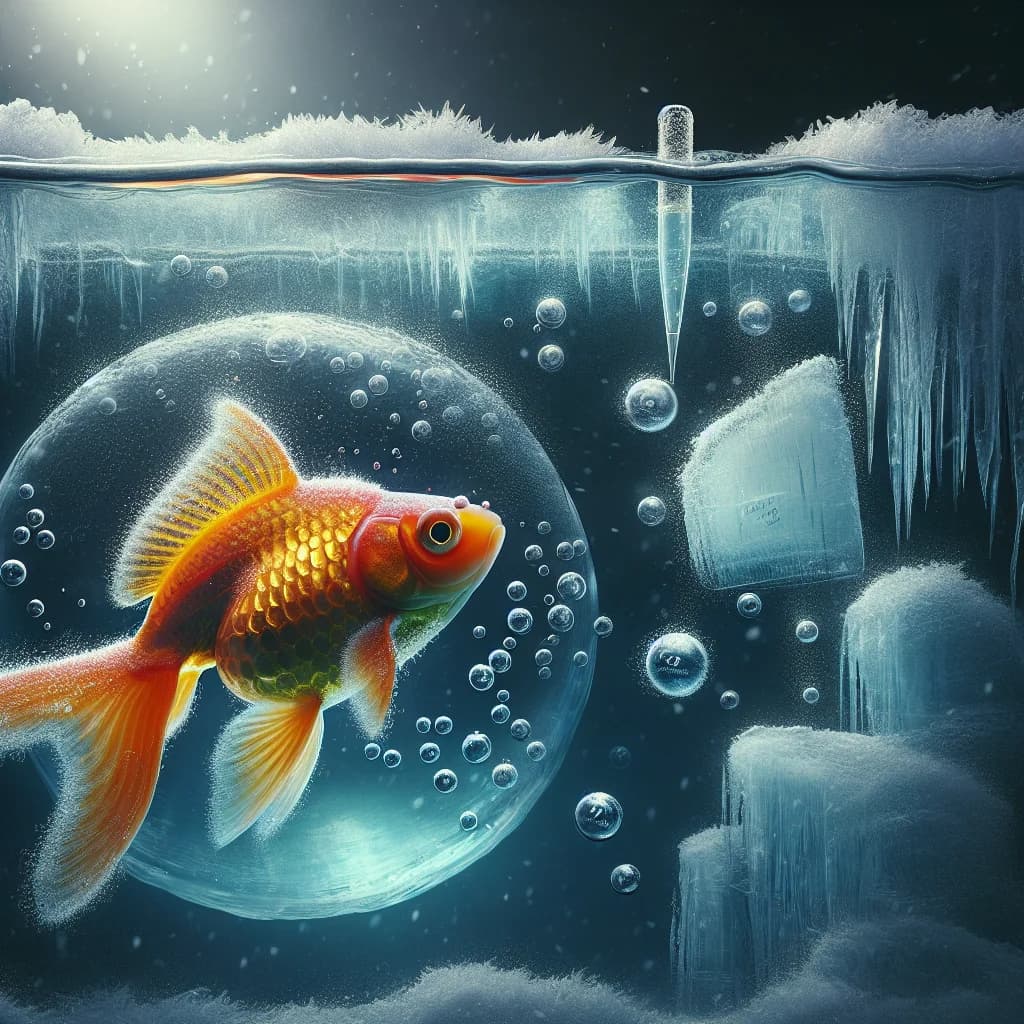
Imagine a backyard pond in the dead of winter, covered by a thick, impenetrable layer of ice. For most aquatic creatures, this signifies a death sentence as oxygen levels plummet to near zero. However, the common goldfish and its wild ancestors possess a biological "superpower" that defies the standard rules of vertebrate physiology. While most animals would perish within minutes without oxygen, these resilient fish have evolved a way to stay alive by effectively brewing alcohol within their own tissues. Understanding why do pet goldfish produce alcohol inside their bodies to survive for months in frozen, oxygen-free ponds is not only a fascinating dive into evolutionary biology but also a crucial lesson in the hardiness and welfare of one of the world's most popular pets. This post explores the metabolic secrets that allow goldfish to transform into tiny, living distilleries to survive the harshest winters.
The Evolutionary Roots of Survival
The goldfish (Carassius auratus) is a member of the carp family, closely related to the Crucian carp (Carassius carassius). In the wild, Crucian carp inhabit small ponds in Northern Europe and Siberia that frequently freeze solid for months. As the ice seals the pond, the water becomes anoxic, meaning it is completely devoid of oxygen.
While most vertebrates—including humans—require oxygen to convert food into energy, goldfish have inherited a unique genetic mutation from their ancestors that occurred approximately 8 million years ago. This whole-genome duplication gave them an extra set of genes, which they repurposed to create a specialized metabolic pathway that functions when oxygen disappears.
The Problem: The Lactic Acid Trap
To understand the goldfish’s solution, we must first look at how most animals handle a lack of oxygen. When you exercise intensely, your muscles eventually run out of oxygen and switch to anaerobic respiration. This process produces lactic acid.
- Toxicity: Lactic acid is metabolic waste. In high concentrations, it is toxic and causes muscle fatigue and pain.
- The Fatal Limit: If an animal cannot clear lactic acid from its system, it will eventually succumb to metabolic acidosis, leading to organ failure and death.
For a fish trapped under ice for four months, the buildup of lactic acid would be fatal within hours. This is where the goldfish's unique internal chemistry takes over.
The Solution: The Ethanol Engine
Goldfish and Crucian carp have evolved a specialized enzyme called pyruvate decarboxylase, which is remarkably similar to the enzymes found in brewer's yeast. When oxygen levels drop, the fish switches its metabolism:
- Carbohydrate Storage: Before winter, goldfish store massive amounts of glycogen (sugar) in their oversized livers.
- Conversion to Ethanol: Instead of allowing the anaerobic process to end in toxic lactic acid, the fish converts the metabolic byproduct into ethanol (alcohol).
- Diffusion Through Gills: Unlike lactic acid, which stays trapped in the body, ethanol can easily pass through the fish’s membranes. The goldfish simply "breathes" the alcohol out through its gills into the surrounding water.
Scientific studies, including research published by the University of Liverpool and the University of Oslo, have shown that the blood alcohol concentration in these fish can exceed 50 milligrams per 100 milliliters—well above the legal driving limit for humans in many countries.
What This Means for Pet Owners and Fish Welfare
While your indoor aquarium likely never reaches anoxic levels, this biological trait explains why goldfish are notoriously hardy. However, this "superpower" is an emergency survival mechanism, not a preferred state of being.
Practical Care Guidelines:
- Oxygenation: In outdoor ponds, use a pond heater or "de-icer" to keep a small hole open in the ice. This allows for gas exchange and prevents the fish from needing to rely solely on their alcohol-producing backup system.
- Metabolic Rate: During winter, a goldfish’s heart rate slows significantly. Do not feed them when water temperatures drop below 50°F (10°C), as their digestive system essentially shuts down.
- Water Quality: Even though they can survive low oxygen, they cannot survive high ammonia. Ensure filtration is adequate before the winter freeze.
Conclusion
The secret behind why do pet goldfish produce alcohol inside their bodies to survive for months in frozen, oxygen-free ponds is a masterclass in evolutionary adaptation. By bypassing the "lactic acid trap" and converting waste into ethanol, goldfish can endure environments that would be lethal to almost any other vertebrate. This remarkable trait highlights the complexity of a species often dismissed as "simple" pets. For owners, acknowledging this biological resilience is key to appreciating the goldfish’s history and ensuring their welfare. While they are built to survive the unthinkable, providing a stable, oxygen-rich environment remains the gold standard for a healthy, thriving pet. Always consult with an aquatic veterinarian or a pond specialist to ensure your outdoor fish are prepared for the changing seasons.