Why do pet guinea pigs perform a sudden jump and twist in the air known as popcorning when excited
Is your guinea pig "glitching" or performing the ultimate happy dance? Discover the fascinating science behind the explosive mid-air twists known as popcorning and what these joyful bursts really reveal about your pet’s well-being.

Too Long; Didn't Read
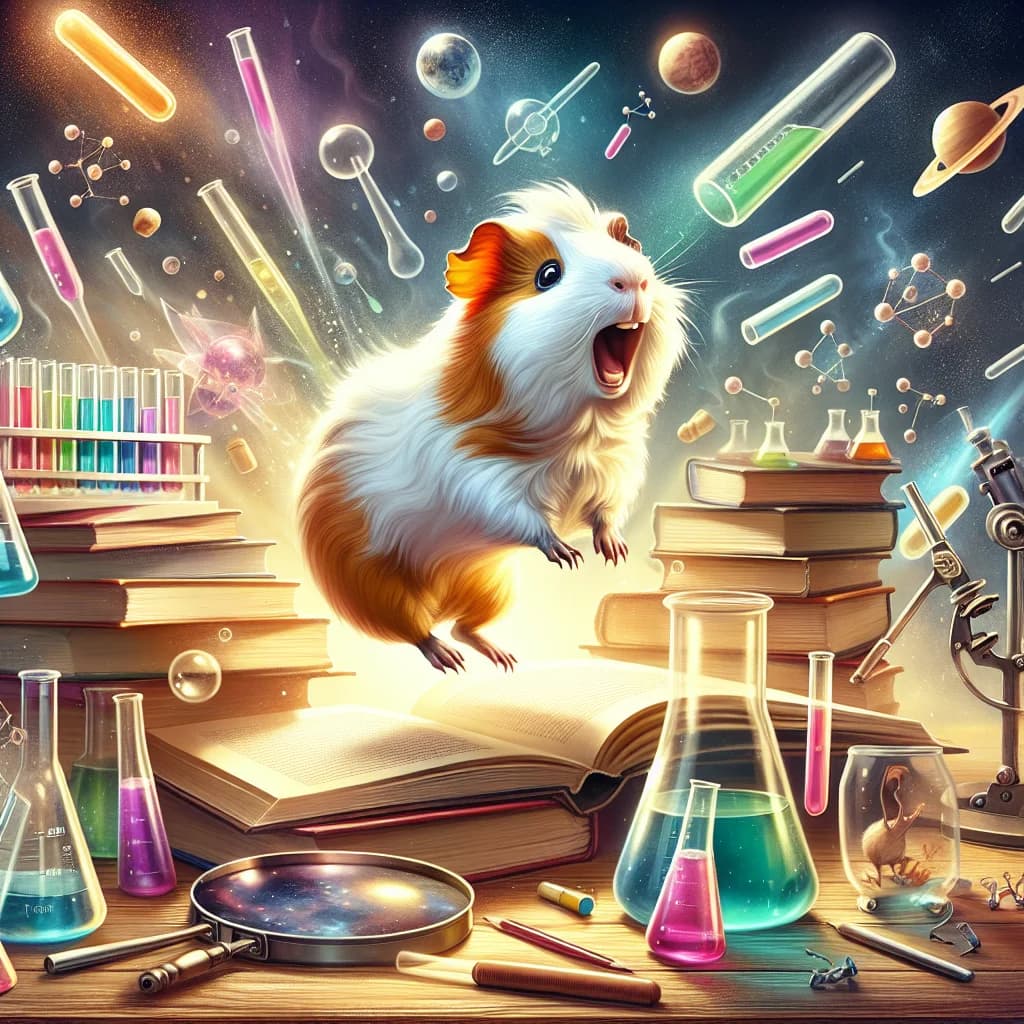
Guinea pigs popcorn by jumping and twisting mid-air to express extreme happiness, excitement, or a burst of energy. This involuntary behavior is a sign of a healthy, comfortable pet and is most frequently seen in younger guinea pigs during playtime or mealtime.
The Joy of Cavies: Why do pet guinea pigs perform a sudden jump and twist in the air known as popcorning when excited?
Guinea pigs (Cavia porcellus) are among the most expressive small mammals in the pet world, utilizing a complex array of vocalizations and body language to communicate with their owners and herd mates. Among these behaviors, none is more iconic or endearing than "popcorning." This behavior involves a sudden, involuntary-looking vertical leap often accompanied by a mid-air twist, jerky head movements, and occasionally a soft squeal. While it may appear startling to a new owner, popcorning is a vital indicator of a guinea pig’s emotional and physical state. Understanding why do pet guinea pigs perform a sudden jump and twist in the air known as popcorning when excited is essential for any caretaker aiming to provide a high standard of animal welfare. This blog post will delve into the biological drivers, environmental triggers, and the evolutionary context of this unique display of cavy joy.
Defining the "Popcorn": The Physiology of a Leap
The term "popcorning" is an onomatopoeic description of how the guinea pig resembles a kernel of corn popping in a pan. Biologically, this behavior is a form of "play jumping." Unlike the strategic leaps a guinea pig might take to navigate an obstacle, popcorning is characterized by its lack of a clear destination.
Animal behaviorists categorize these bursts of energy as Frenetic Random Activity Periods (FRAPs). During these episodes, the guinea pig’s nervous system experiences a surge of excitement, leading to rapid muscle contractions in the hindquarters. This results in the characteristic explosive vertical movement. While common in many young mammals—similar to "zoomies" in dogs or "binkies" in rabbits—the guinea pig’s compact anatomy makes their version particularly jerky and erratic.
The Evolutionary and Developmental Context
Popcorning is most frequently observed in pups and adolescent guinea pigs. From an evolutionary standpoint, this behavior serves several purposes:
- Muscle Development: The high-intensity bursts help develop the fast-twitch muscle fibers necessary for fleeing predators in the wild.
- Social Bonding: In a herd setting, popcorning is often contagious. When one pig starts, others frequently follow, which strengthens social cohesion through shared play.
- Motor Skill Refinement: The mid-air twists and rapid changes in direction help the animal refine its proprioception (awareness of its body in space).
As guinea pigs age, the frequency of popcorning typically decreases. This is often due to increased body mass, a more sedentary temperament, or the onset of age-related stiffness. However, even senior guinea pigs may perform a "mini-popcorn"—a slight shoulder shrug or a front-end hop—when they are particularly content.
Common Environmental Triggers
Popcorning is a reliable barometer for a guinea pig’s environmental satisfaction. Because they are prey animals, guinea pigs only exhibit such vulnerable, high-energy behavior when they feel entirely secure in their surroundings. Common triggers include:
- Fresh Forage: The introduction of fresh Timothy hay or leafy greens often stimulates an immediate popcorning response.
- Enclosure Maintenance: Many owners report that guinea pigs popcorn vigorously immediately after their cage has been cleaned and lined with fresh bedding.
- Floor Time: Providing a safe, large area for exercise outside of the cage encourages the release of pent-up energy.
- Social Interaction: Positive interactions with bonded cage mates or trusted human owners can trigger these "leaps of joy."
Differentiating Play from Health Concerns
While popcorning is almost always a positive sign, it is important for owners to distinguish it from medical issues. Occasionally, new owners confuse popcorning with skin irritations or seizures.
Popcorning vs. Ectoparasites
If a guinea pig is jumping and scratching or biting at its skin, it may be suffering from Trixacarus caviae (mange mites) or lice. Unlike the happy, rhythmic nature of popcorning, movements caused by parasites are usually accompanied by frantic scratching, hair loss, or skin inflammation.
Popcorning vs. Seizures
A seizure is a neurological event where the animal loses control of its body. During a seizure, a guinea pig may fall on its side, exhibit paddling leg movements, or appear unresponsive. Popcorning, by contrast, is brief, purposeful, and the animal remains upright and alert immediately afterward.
Conclusion
Understanding why do pet guinea pigs perform a sudden jump and twist in the air known as popcorning when excited allows owners to better appreciate the emotional depth of their pets. Popcorning is more than just a quirky movement; it is a profound biological expression of safety, health, and pure exuberant joy. By recognizing the triggers for this behavior—such as fresh food, a clean habitat, and social enrichment—caretakers can actively work to increase the frequency of these "popcorn moments." Ultimately, a popcorning guinea pig is a hallmark of successful husbandry and a flourishing human-animal bond. If you notice your pet has suddenly stopped popcorning or shows signs of lethargy, consult a specialized exotic animal veterinarian to ensure their continued well-being.