Why do pet hamsters have a biological tolerance for alcohol that allows them to outdrink most other mammals
Your tiny hamster can put away the equivalent of 21 bottles of wine a day and still walk a straight line. Discover the incredible evolutionary "superpower" that allows these fluffy rodents to outdrink almost every other mammal on Earth.

Too Long; Didn't Read
Hamsters evolved a high alcohol tolerance because they store seeds and fruit in underground burrows where the food naturally ferments into ethanol. To survive eating their fermented stashes, their livers developed the ability to process alcohol extremely efficiently, preventing it from entering their bloodstream and reaching their brains.
Tiny Titans of Tolerance: Why Do Pet Hamsters Have a Biological Tolerance for Alcohol That Allows Them to Outdrink Most Other Mammals?
In the world of animal physiology, few things are as surprising as the sheer metabolic resilience of the common Syrian hamster. While these small rodents are often viewed as fragile, dainty pets, they possess a biological superpower that leaves most other mammals—including humans—in the dust: an extraordinary tolerance for alcohol. In laboratory settings, hamsters have been observed consuming quantities of ethanol that would be lethal to other species, often preferring it over plain water. This phenomenon is not a random quirk of nature but a sophisticated evolutionary adaptation. Understanding why hamsters possess this trait offers a fascinating glimpse into their natural history, their specialized liver function, and the unique ways they have adapted to survive in harsh environments. This post explores the biological mechanisms and evolutionary drivers behind the hamster’s status as the animal kingdom’s most unlikely "heavy drinker."
The Evolutionary Root: Survival in the Fermented Larder
The primary reason hamsters developed a high tolerance for alcohol lies in their natural behavior as "hoarders." In the wild, particularly in the arid regions of Syria, hamsters collect seeds, grains, and fallen fruits to store in deep, underground burrows. These burrows provide a cool, moist environment where, over time, the stored organic matter begins to ferment.
When fruit and grains ferment, they naturally produce ethanol. For a hamster surviving on its winter stores, consuming these fermented goods is unavoidable. If the hamster’s body could not process the alcohol effectively, it would become intoxicated, leaving it vulnerable to predators or unable to maintain its burrow. Evolution, therefore, favored individuals with the metabolic capacity to consume these high-calorie, fermented foods without losing motor function or cognitive clarity.
The Metabolic Powerhouse: The Role of the Liver
The secret to the hamster’s sobriety lies in its liver. To understand this, we must look at a specific enzyme called alcohol dehydrogenase. This enzyme is responsible for breaking down ethanol and converting it into energy.
- High Enzyme Activity: Hamsters possess an incredibly high concentration of alcohol dehydrogenase in their livers. This allows them to process alcohol at a rate significantly faster than most other mammals.
- Direct Caloric Conversion: For a hamster, alcohol is not just a toxin to be cleared; it is a source of fuel. They are exceptionally efficient at bypassing the typical "intoxication" phase and moving straight to metabolic processing.
- The "Wobble" Test: Researchers have used a "wobble scale" to measure intoxication in hamsters. Even after consuming dosages that would render a human unconscious, hamsters frequently score a zero, showing no signs of impaired movement or loss of balance.
Preference and Consumption Patterns
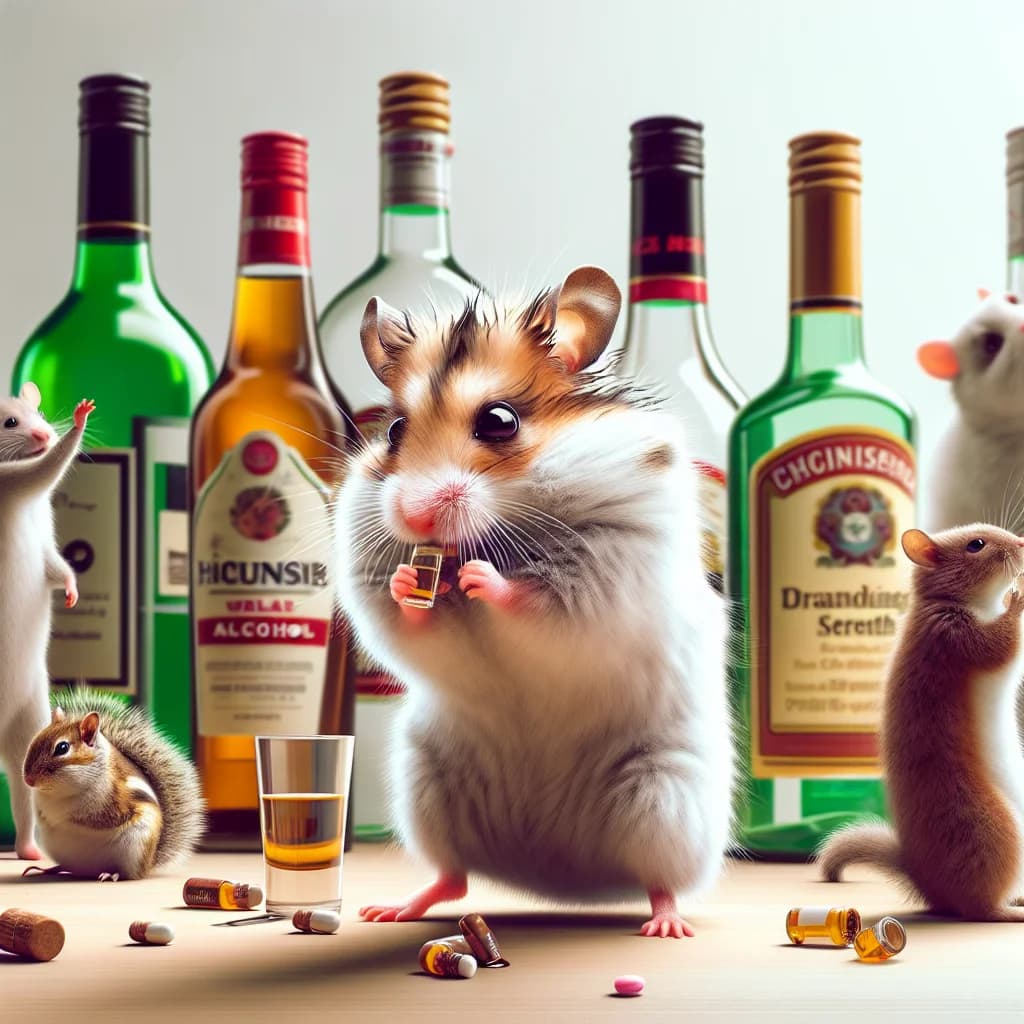
In controlled studies, when hamsters are given a choice between water and a 15% ethanol solution (similar to the strength of wine), they almost always choose the alcohol. This preference is so strong that they will consume upwards of 18 to 20 grams of ethanol per kilogram of body weight daily. To put this in perspective, that is the equivalent of a human drinking 21 bottles of wine in a single day.
Scientists believe this preference is driven by the high caloric density of alcohol. In the wild, calories are scarce, and the hamster's biology is programmed to seek out the most energy-efficient food sources available. Because their livers can neutralize the negative side effects, the ethanol becomes a "super-fuel" rather than a depressant.
Vital Considerations for Pet Owners
While the science behind hamster metabolism is fascinating, it is vital for pet owners to distinguish between a laboratory observation and responsible pet husbandry.
- Do Not Provide Alcohol: Never give your pet hamster alcohol. In laboratory settings, researchers use specific, controlled concentrations. Store-bought alcoholic beverages contain additives, sugars, and carbonation that can be highly toxic or cause severe gastrointestinal distress to a small rodent.
- Hydration is Key: Pet hamsters should always have access to fresh, clean water. Their high tolerance is a survival mechanism for the wild, not a requirement for a healthy life in captivity.
- Dietary Stability: A balanced diet of high-quality hamster pellets and occasional fresh vegetables provides all the energy a pet needs without the risks associated with fermentation.
Conclusion
The biological tolerance for alcohol in pet hamsters is a masterclass in evolutionary adaptation. By developing a liver capable of rapid ethanol processing, these tiny mammals turned a potential environmental hazard—fermenting food stores—into a valuable caloric resource. This trait allowed them to thrive in the wild and has made them a subject of great interest in veterinary and zoological research.
Recognizing these unique biological traits deepens our appreciation for the complexity of our small companions. While your hamster may be a "metabolic titan," the best way to honor its biology is through providing a safe, alcohol-free environment and a diet that reflects its needs as a domesticated pet. Always consult with an exotic animal veterinarian to ensure your hamster’s husbandry aligns with the latest evidence-based care standards.