Why do pet hamsters have dark patches on their hips that are actually specialized scent glands for marking territory
Ever wondered if those mysterious dark spots on your hamster’s hips are a cause for concern? Discover the fascinating secret behind these specialized scent glands and how your tiny pet is masterfully claiming its kingdom.

Too Long; Didn't Read
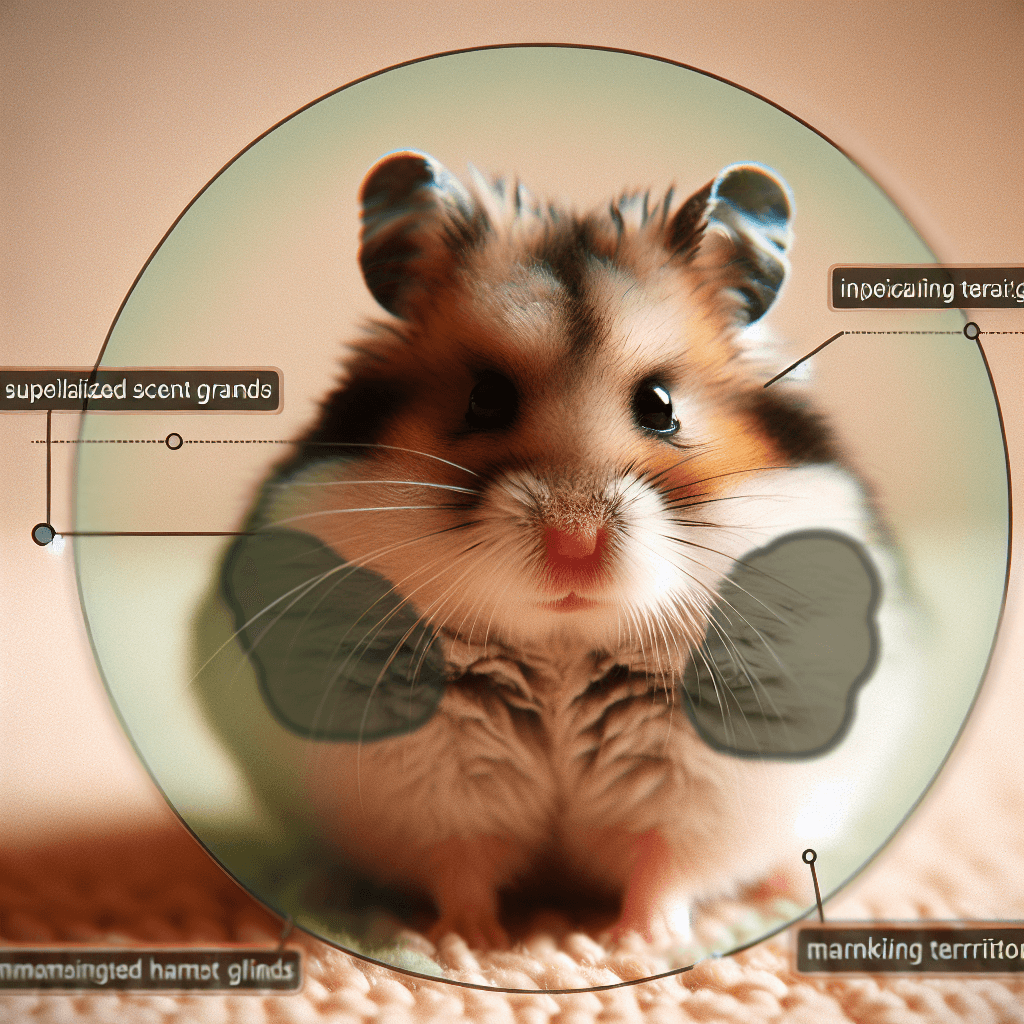
The dark patches on a hamster's hips are specialized scent glands used for territorial marking. They are a completely normal biological feature that allows hamsters to rub their unique scent onto surfaces to claim their environment and communicate with other hamsters.
Understanding Hamster Anatomy: Why Do Pet Hamsters Have Dark Patches on Their Hips That Are Actually Specialized Scent Glands for Marking Territory?
For many first-time hamster owners, a routine health check can lead to a moment of sudden panic. While grooming their pet, they might discover a dark, slightly raised, or even greasy patch of skin on the hamster’s hips. The immediate fear is often that these spots are tumors, parasites, or a localized skin infection. However, in the vast majority of cases, these bilateral markings are a perfectly natural biological feature.
These patches are known as flank glands, or hip glands, and they serve a vital evolutionary purpose. Understanding why do pet hamsters have dark patches on their hips that are actually specialized scent glands for marking territory is essential for responsible husbandry. By recognizing these glands as functional organs rather than medical anomalies, owners can better interpret their pet's behavior and avoid unnecessary stress for both the animal and themselves. This post explores the biological function, appearance, and care considerations associated with these fascinating specialized glands.
The Biology of the Flank Gland
In the world of rodent biology, scent is the primary medium for communication. Syrian hamsters (Mesocricetus auratus), the most common large pet hamster species, possess two specialized sebaceous glands located on their hips, or flanks. These glands are androgen-dependent, meaning their activity and appearance are heavily influenced by hormones, specifically testosterone.
Physically, these glands often appear as dark, pigmented spots. Depending on the hamster’s coat color and hair length, they may look like small moles or patches of thickened, hairless skin. In long-haired males, the fur around the glands may become damp or matted due to the oily secretions the glands produce. While both males and females possess these glands, they are typically much more prominent and active in males.
Territorial Behavior and Scent Marking
The primary reason hamsters possess these glands is for chemical signaling. In their natural desert habitats, hamsters are solitary and highly territorial creatures. They use the secretions from their hip glands to "map out" their environment and communicate with other hamsters without the need for direct physical confrontation.
How Hamsters Use Their Glands
When a hamster moves around its enclosure or a new environment, you may notice it arching its back or rubbing its sides against the walls, tubes, or toys. This behavior serves several purposes:
- Claiming Territory: The oily secretion leaves a scent trail that tells other hamsters the area is occupied.
- Navigation: Hamsters have relatively poor eyesight; scent markers act as "signposts" to help them navigate familiar paths.
- Mating Signals: Females use scent marking to indicate their reproductive status to potential mates, while males use it to assert dominance.
Species Variation: Syrian vs. Dwarf Hamsters
It is important to note that the location of scent glands varies significantly between species. While the question of why do pet hamsters have dark patches on their hips that are actually specialized scent glands for marking territory applies specifically to Syrian hamsters, Dwarf species (such as Campbell’s, Winter White, and Roborovski hamsters) have a different anatomy.
Dwarf hamsters possess a single scent gland located on their underside, near the umbilical area. This ventral gland often appears as a small, yellow-ish or waxy "belly button." Despite the difference in location, the function remains the same: marking territory through belly-rubbing against the ground.
Care and Monitoring for Owners
While flank glands are normal, they do require occasional observation to ensure they remain healthy. Because these glands secrete oils, they can sometimes become "clogged" or overactive, particularly in aging males.
- Avoid Cleaning: Never attempt to scrub or wash these patches. Removing the scent can cause a hamster significant stress, leading them to over-mark and potentially irritate the skin.
- Check for Infection: While a dark or oily patch is normal, look for signs of true medical issues such as redness, swelling, discharge (pus), or if the hamster is excessively scratching the area.
- Hormonal Changes: If a gland suddenly changes drastically in size or appearance, it could indicate a hormonal imbalance or a rare glandular tumor, necessitating a visit to an exotic animal veterinarian.
Conclusion
Gaining a deeper understanding of hamster physiology helps bridge the gap between human perception and animal reality. Recognizing why do pet hamsters have dark patches on their hips that are actually specialized scent glands for marking territory allows owners to appreciate the complex sensory world these small rodents inhabit. These glands are not defects, but rather sophisticated tools for communication and survival that have persisted from the Syrian steppes to the modern home.
By observing these biological traits with an informed eye, pet owners can ensure their hamsters feel secure in their environment. Always remember that while these patches are a standard part of hamster anatomy, maintaining a relationship with a qualified veterinarian is the best way to distinguish between natural biology and potential health concerns. Proper education is the first step toward providing the highest standard of animal welfare.