Why do pet hamsters possess specialized cheek pouches that can expand all the way back to their hip bones
Imagine carrying a week’s worth of groceries in your own face—for a hamster, this incredible feat is a daily reality. Discover the mind-blowing evolutionary secret behind those "bottomless" cheek pouches that stretch all the way back to their hips.

Too Long; Didn't Read
Hamsters evolved expansive cheek pouches stretching to their hips to maximize food collection and transport. This allows them to carry large quantities of supplies back to their burrows in a single trip, minimizing time spent exposed to predators in the wild.
Nature’s Built-in Backpacks: Why Do Pet Hamsters Possess Specialized Cheek Pouches That Can Expand All the Way Back to Their Hip Bones?
If you have ever watched a pet hamster encounter a pile of sunflower seeds, you have likely witnessed a remarkable transformation. Within seconds, a sleek rodent can double the width of its head and shoulders, taking on a comical, lumpy appearance. This feat is made possible by one of the most specialized anatomical features in the rodent world: the cheek pouches. These pouches are not merely small pockets in the mouth; they are expansive, muscular sacs that can extend as far back as the hamster's hip bones. Understanding why do pet hamsters possess specialized cheek pouches that can expand all the way back to their hip bones is essential for any owner wishing to appreciate their pet’s evolutionary history and ensure their ongoing health and welfare. This blog post will explore the biological structure, evolutionary necessity, and practical care implications of these incredible anatomical "backpacks."
The Biological Architecture of the Cheek Pouch
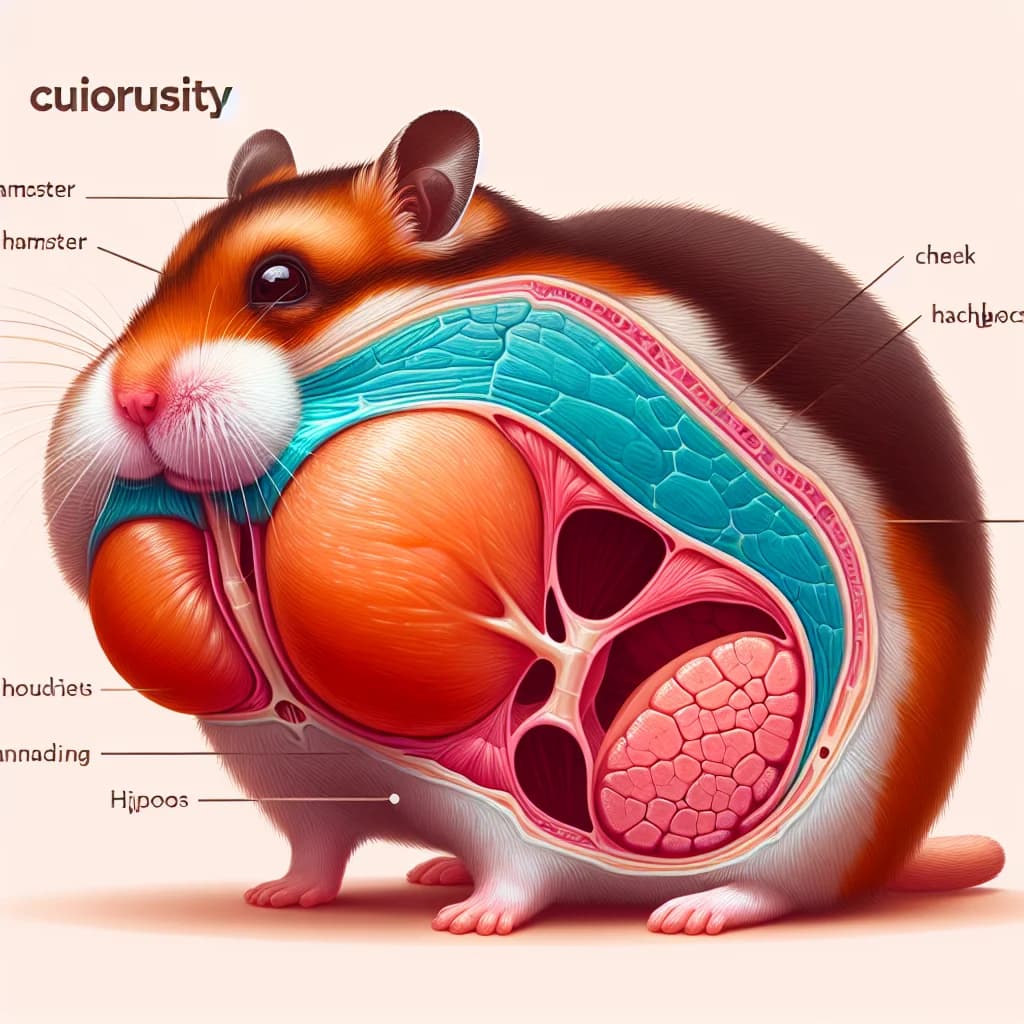
The hamster’s cheek pouches, or sacculi buccales, are unique invaginations of the oral mucosa. Unlike the human mouth, where the cheeks are relatively fixed, a hamster’s pouches are composed of highly elastic tissue that lacks salivary glands. This absence of moisture is a critical biological adaptation; it ensures that food remains dry and does not begin to decompose or stick together while being transported.
The pouches extend from the oral cavity, passing over the shoulder blades (scapulae) and, when fully distended, reaching the iliac crest—the hip bone. This massive expansion is facilitated by a specialized retractor muscle. This muscle allows the hamster to pull the pouch back toward the body and, conversely, to push the contents forward when it is time to unload. Because the pouches are situated outside the ribcage and just beneath the skin, they do not interfere with the animal’s breathing or internal organ function, even when filled to capacity.
Evolutionary Survival: The Necessity of Hoarding
To understand why these pouches evolved to be so large, we must look at the hamster’s origins in the arid regions of Syria, Greece, and Central Asia. In the wild, hamsters are "larder hoarders." They live in environments where food sources are sporadic and predators are numerous.
Minimizing Predator Exposure
The primary evolutionary advantage of the cheek pouch is the reduction of time spent in the open. A hamster can forage quickly, stuffing its pouches with up to half its body weight in seeds, grains, and vegetation. By "warehousing" food in their cheeks, they can retreat to the safety of their deep, underground burrows to eat or store their haul. This behavior is so central to their identity that the word "hamster" is derived from the Middle High German word hamstern, which translates literally to "to hoard."
Resource Management in Arid Climates
In desert environments, food abundance is seasonal. The ability to transport large quantities of food back to a climate-controlled burrow allows hamsters to survive periods of drought or cold. The pouches effectively act as a bridge between the fluctuating external environment and the stable internal environment of the burrow.
Comparative Anatomy and Behavior
While other rodents, such as chipmunks and pocket gophers, also possess cheek pouches, hamsters are among the most specialized. For example, while pocket gophers have fur-lined external pouches, hamsters have internal, mucosal pouches.
Beyond food, hamsters utilize these spaces for various survival tasks:
- Nesting Material: Hamsters frequently use their pouches to transport hay, shredded paper, or dried grass to build elaborate nests.
- Transporting Young: In some wild species, mothers have been observed temporarily carrying pups in their pouches to move them away from perceived threats, though this is rare in domestic settings.
- Buoyancy: Some biological studies have noted that certain hamster species can inflate their pouches with air, allowing them to float more easily when crossing small bodies of water.
Health and Husbandry: Caring for the Pouch
For pet owners, the existence of these specialized pouches necessitates specific care requirements. Because the pouches are delicate, they are susceptible to injury and illness if the hamster’s environment is not managed correctly.
- Pouch Impaction: This occurs when sticky foods (like honey-coated treats) or sharp materials (like certain types of straw) become stuck. If the hamster cannot empty the pouch, the food may rot, leading to severe infection.
- Pouch Eversion: In rare cases, the pouch lining can flip inside out and protrude from the mouth. This is a medical emergency that requires veterinary intervention to reposition and suture the tissue.
- Avoid Sharp Bedding: Owners should avoid using cedar or pine shavings with sharp splinters, as these can puncture the thin pouch membrane from the inside.
Conclusion
The specialized cheek pouches of the hamster are a masterpiece of biological engineering, allowing these small mammals to thrive in some of the world's most unforgiving environments. By expanding all the way back to the hip bones, these pouches provide a high-capacity transport system that minimizes time spent in the sight of predators and maximizes the efficiency of food gathering.
Recognizing why do pet hamsters possess specialized cheek pouches that can expand all the way back to their hip bones allows owners to better understand their pet’s natural hoarding instincts. By providing safe nesting materials and avoiding sticky or sharp foods, you can ensure that your hamster’s remarkable "built-in backpacks" remain healthy and functional. Always consult with an exotic animal veterinarian if you notice any unusual swelling or if your hamster seems unable to empty its pouches, as these are critical components of their overall well-being.