Why do pet hedgehogs spread a thick, frothy saliva over their spines after licking or tasting something new
It looks like a bizarre frothing fit, but your hedgehog’s "self-anointing" habit is actually a fascinating survival mystery. Discover the hidden—and slightly gross—reason why your prickly friend turns new scents into a bubbly coat of armor.

Too Long; Didn't Read
Hedgehogs engage in a behavior called self-anointing, where they spread frothy saliva on their quills after encountering new scents or tastes. Experts believe this helps them camouflage their odor, deter predators with potential toxins, or better process information about their environment.
The Science of Self-Anointing: Why do pet hedgehogs spread a thick, frothy saliva over their spines after licking or tasting something new?
Hedgehogs are among the most unique small mammals kept as pets, characterized by their solitary nature and their distinctive coat of keratin spines. While their physical appearance is striking, first-time owners are often startled by a specific, unusual behavior known as "self-anointing." This process involves the hedgehog licking a new object, producing a voluminous, frothy white foam in its mouth, and then contorting its body to smear the saliva onto its quills. While it can look alarming—sometimes mistaken for a seizure or a medical emergency—it is a perfectly natural biological response. Understanding why do pet hedgehogs spread a thick, frothy saliva over their spines after licking or tasting something new is essential for any keeper to ensure they are providing a stress-free environment and accurately monitoring their pet’s health. This post explores the leading scientific theories and behavioral triggers behind this fascinating ritual.
Understanding the Mechanism of Self-Anointing
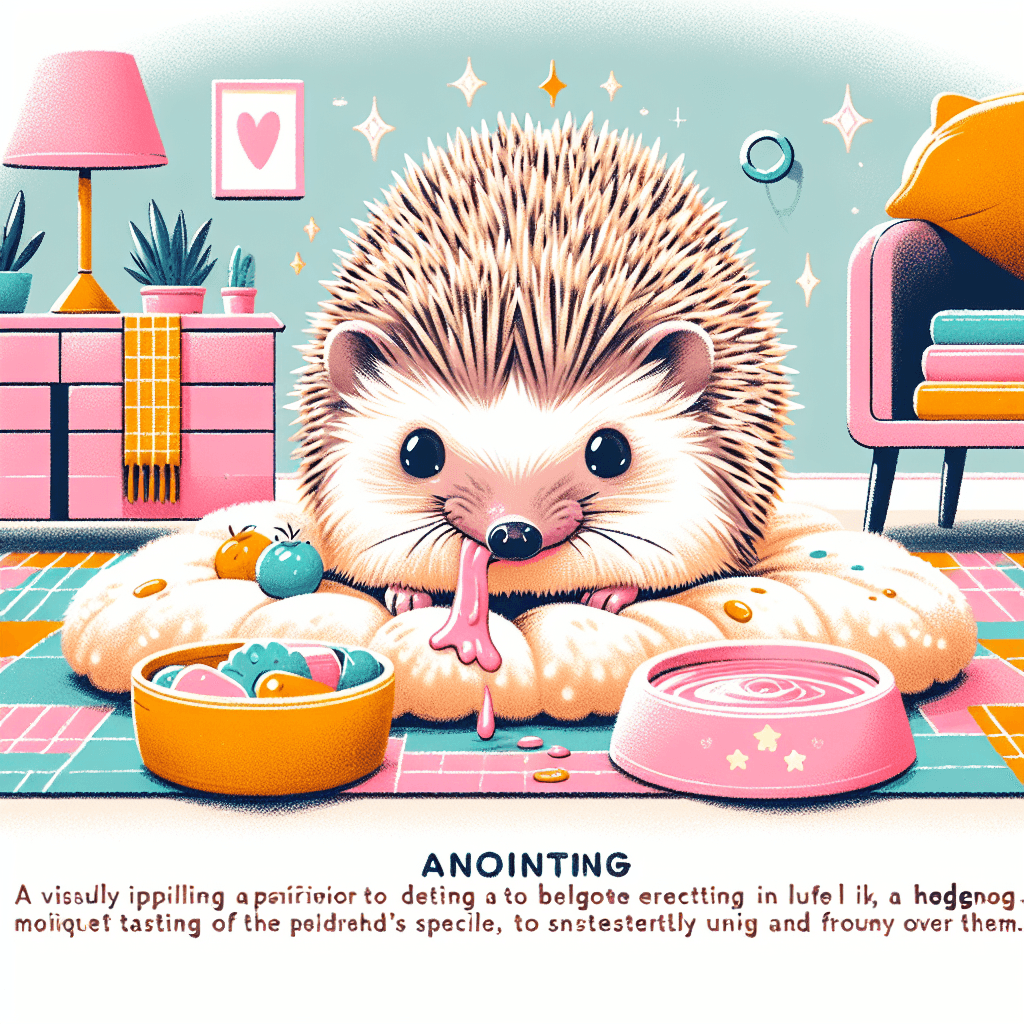
The technical term for this behavior is "self-anointing" or "anting." It typically begins when a hedgehog encounters a novel scent or taste—ranging from a new brand of kibble to the scent of a floral detergent on a human hand. After the hedgehog licks or chews the item, its salivary glands over-produce a thick, bubbly foam. The hedgehog then enters a state of intense focus, twisting its neck and using its long tongue to flick the froth onto its back and flanks.
Biologically, this process is linked to the Jacobson's organ (or vomeronasal organ), located in the roof of the mouth. This organ is part of the hedgehog's olfactory system, allowing it to "taste-smell" chemical signals in its environment. When a hedgehog encounters a complex new scent, it uses self-anointing to process and utilize that chemical information.
Scientific Theories: Why Do They Do It?
While self-anointing is a documented behavior in all species of the subfamily Erinaceinae, zoologists and animal behaviorists still debate its exact evolutionary purpose. However, three primary theories are supported by veterinary consensus:
1. Olfactory Camouflage and Protection
The most widely accepted theory is that self-anointing helps the hedgehog blend into its surroundings. By spreading the scent of its environment over its body, the hedgehog masks its own odor, making it less detectable to predators like foxes or owls. In the wild, this "scent-matching" is a critical survival tactic for a slow-moving, nocturnal insectivore.
2. Defense Against Predators
Some research suggests that hedgehogs use self-anointing to make their spines more formidable. In the wild, hedgehogs have been observed chewing on toxic substances, such as certain toads or poisonous plants, and spreading the resulting toxic saliva on their quills. This provides a chemical deterrent; a predator that tries to bite the hedgehog would receive a mouthful of irritating toxins.
3. Sensory Memory and Communication
Ethologists also hypothesize that the foam acts as a long-lasting scent marker. Because hedgehogs rely heavily on smell rather than sight, "wearing" a scent allows them to carry information about their environment with them. It may also play a minor role in intra-species communication, signaling to other hedgehogs where they have been or what they have consumed.
Common Triggers in a Domestic Setting
In the home, pet hedgehogs (most commonly the African Pygmy variety) will self-anoint frequently during their first few months in a new environment. Common triggers include:
- New foods: Fruits, vegetables, or different protein sources.
- Human scents: Lotions, perfumes, or natural skin oils.
- Cleaning products: Freshly laundered fleece bedding or floor cleaners.
- Leather and wood: The tannins in leather shoes or new wooden hideouts.
Distinguishing Anointing from Medical Distress
For a new owner, seeing a hedgehog foam at the mouth can be frightening. However, self-anointing is distinct from illness. During anointing, the hedgehog remains coordinated and purposeful. In contrast, foaming caused by respiratory infections, poisoning, or heat stroke is usually accompanied by lethargy, clicking sounds while breathing, or a loss of balance. If your hedgehog is spreading the foam onto its quills and then returns to normal activity, there is no cause for concern.
Conclusion
The behavior of self-anointing is a remarkable window into the sensory world of the hedgehog. While it may appear strange to human observers, spreading a thick, frothy saliva over their spines after tasting something new is a vital, instinctive trait that links our domestic companions to their wild ancestors. Whether it serves as a sophisticated camouflage or a chemical defense mechanism, it remains a sign of a healthy, curious animal interacting with its world. By recognizing the triggers and the biological "why" behind this foam, pet owners can better appreciate the complex nature of these quill-covered creatures. Always ensure your hedgehog has a safe, chemical-free environment to explore, and consult an exotic animal veterinarian if you ever notice foaming accompanied by signs of lethargy or distress.