Why do pet hedgehogs spread foamy saliva onto their quills after smelling a strong or unfamiliar scent
Ever wondered why your prickly friend suddenly transforms into a foamy, contorting mess after sniffing something new? Uncover the fascinating mystery of "self-anointing" and discover the surprising reasons behind this bizarre hedgehog ritual.

Too Long; Didn't Read
Hedgehogs engage in a natural behavior called self-anointing, where they create foamy saliva after encountering new or strong scents and spread it over their quills. This instinct likely serves to camouflage their own odor, deter potential predators with unpleasant tastes, or help them remember and adapt to new environments.
Understanding Self-Anointing: Why Do Pet Hedgehogs Spread Foamy Saliva Onto Their Quills After Smelling a Strong or Unfamiliar Scent?
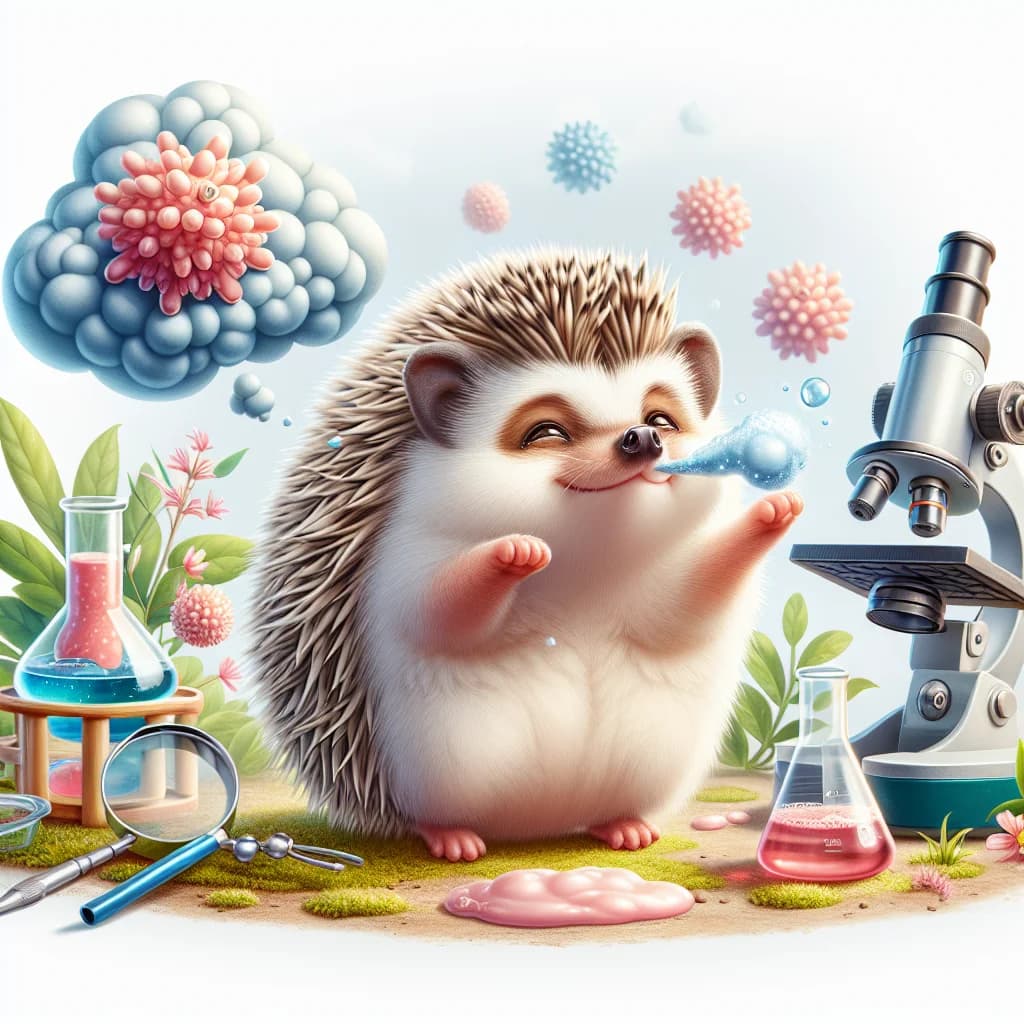
For the uninitiated pet owner, witnessing a hedgehog encounter a new scent can be a startling experience. The animal may suddenly stiffen, begin to chew vigorously on an object, and then produce a thick, frothy lather of saliva. In a display of surprising athleticism, the hedgehog then contorts its body to smear this foam across its spines. While this behavior—scientifically known as self-anointing—might look like a medical emergency to a first-time owner, it is actually one of the most fascinating and misunderstood biological traits of the subfamily Erinaceinae. Understanding why pet hedgehogs spread foamy saliva onto their quills after smelling a strong or unfamiliar scent is essential for any responsible keeper, as it offers a window into the hedgehog's unique sensory world and evolutionary history. This blog post will explore the biological mechanisms, leading scientific theories, and husbandry implications of this distinctive behavior.
The Mechanics of Self-Anointing: A Sensory Process
Self-anointing is a complex behavioral sequence triggered by chemical stimuli. When a hedgehog encounters a novel or pungent scent—such as a new type of food, a scented lotion on a human hand, or even a specific brand of leather—it utilizes its highly developed sense of smell to investigate.
The Role of the Vomeronasal Organ
The process begins with the hedgehog licking or biting the source of the scent. This action facilitates the movement of molecules toward the vomeronasal organ (also known as the Jacobson’s organ), located in the roof of the mouth. This specialized sensory system detects chemical signals that the standard olfactory system might miss. Once the brain processes these signals, the hedgehog’s salivary glands go into overdrive, creating a frothy, white foam. Using its long tongue, the hedgehog then methodically "paints" this foam onto its quills, often starting at the shoulders and reaching as far back as possible.
Evolutionary Theories: Why Do They Do It?
While the physical process of self-anointing is well-documented, the exact evolutionary purpose remains a subject of ongoing study within the zoological community. However, several science-based theories provide likely explanations for why this behavior persists in domesticated hedgehogs.
1. Chemical Defense and Irritation
One of the most prominent theories is that self-anointing serves as a defensive mechanism. By spreading certain substances over their quills, hedgehogs may be attempting to make themselves unpalatable or even toxic to predators. In the wild, hedgehogs have been observed anointing with toxic substances, such as the skin of certain toads or pungent plants. This suggests that the foamy saliva acts as a delivery system for irritants, ensuring that any predator attempting to bite the hedgehog receives a mouthful of unpleasant chemicals along with a face full of sharp spines.
2. Scent Masking and Camouflage
Another widely supported hypothesis involves scent masking. In the wild, an animal’s natural scent can give away its location to predators or alert potential prey. By coating their quills in the scent of their immediate environment, hedgehogs may be "blending in" olfactorily. This form of chemical camouflage allows the hedgehog to navigate its surroundings with a reduced risk of detection.
3. Sensory Memory and Information Processing
Some animal behaviorists suggest that self-anointing is a way for the hedgehog to "record" a new scent. By physically wearing the scent on their bodies, they may be better able to recognize and habituate to new environmental factors. This could be particularly important for a species that relies heavily on chemical cues rather than visual acuity.
Identifying Normal Behavior vs. Medical Concern
For pet owners, it is vital to distinguish between natural self-anointing and signs of illness. Because self-anointing involves foaming at the mouth, it is sometimes mistaken for rabies or neurological distress.
- Self-Anointing: Triggered by a specific scent; the animal remains coordinated and eventually returns to normal behavior.
- Medical Distress: Foaming accompanied by lethargy, loss of balance (Wobbly Hedgehog Syndrome), or respiratory clicking requires immediate veterinary intervention.
Practical Implications for Hedgehog Care
Understanding that self-anointing is a natural instinct helps owners provide better husbandry. Here are a few evidence-based guidelines:
- Allow the behavior: Never interrupt a hedgehog while it is anointing, as this can cause stress.
- Scent introduction: When bonding, provide the hedgehog with a piece of your clothing. They may anoint with your scent, which is a key part of their recognition process.
- Hygiene: While the foam is harmless, it can dry into a crusty residue. Regular foot baths and occasional full baths help keep the quills clean and prevent skin irritation.
Conclusion
The phenomenon of self-anointing is a remarkable example of how specialized biological traits help animals interact with their environment. While the sight of a pet hedgehog spreading foamy saliva onto its quills after smelling a strong or unfamiliar scent can be jarring at first, it is a healthy, instinctive behavior that reflects the species' ancient evolutionary path. By recognizing the role of the vomeronasal organ and the potential benefits of scent masking and chemical defense, owners can better appreciate the complex sensory lives of their prickly companions. Understanding these unique behaviors is a cornerstone of responsible exotic pet ownership. If you ever notice changes in the frequency of this behavior or if it is accompanied by physical instability, always consult with a veterinarian specializing in exotic small mammals to ensure your pet's continued health.