Why do pet hedgehogs spread frothy saliva over their quills in a mysterious behavior known as self-anointing
It looks like a strange, frothy ritual, but there’s a fascinating secret behind your hedgehog’s bubbly behavior. Discover the surprising reasons why these prickly pets coat themselves in saliva and what science has to say about this mysterious habit.

Too Long; Didn't Read
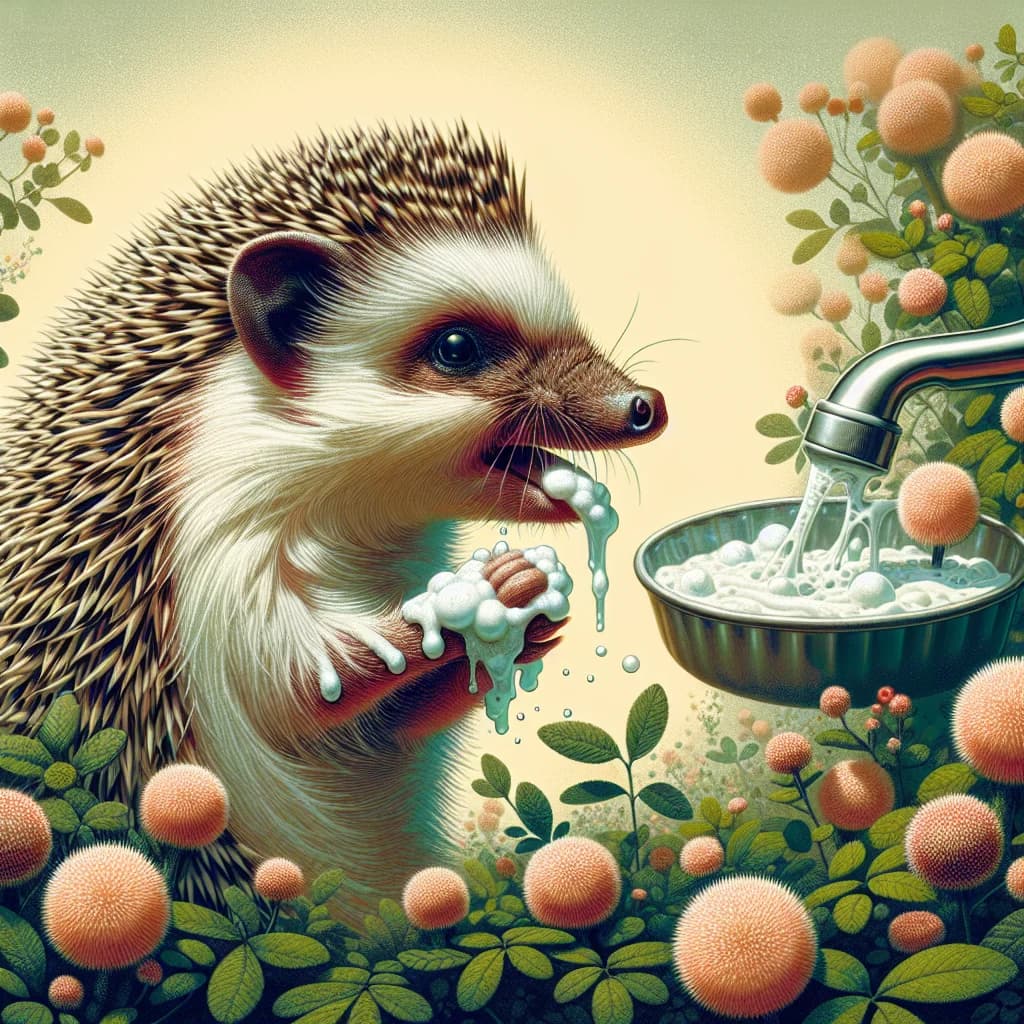
Self-anointing is a natural hedgehog behavior where they spread frothy saliva on their quills after encountering new or strong scents. This likely serves to camouflage their own smell from predators, deter threats with unpleasant tastes, or help them process and store information about their environment.
The Science of Scents: Why do pet hedgehogs spread frothy saliva over their quills in a mysterious behavior known as self-anointing?
For the uninitiated observer, witnessing a pet hedgehog engage in self-anointing can be a startling experience. The animal suddenly freezes, begins to chew frantically on an object or a patch of air, and then contorts its body into an almost impossible U-shape to smear a thick, white froth over its spines. While it may look like a medical emergency to a new owner, this behavior—scientifically referred to as "anting"—is a perfectly natural and fascinating biological ritual. Understanding why do pet hedgehogs spread frothy saliva over their quills in a mysterious behavior known as self-anointing is essential for any responsible owner, as it provides a window into the complex sensory world of these insectivores. This blog post will explore the biological triggers, leading scientific theories, and husbandry implications of this unique hedgehog trait.
Defining the Behavior: What is Self-Anointing?
Self-anointing is a behavioral sequence triggered by the hedgehog encountering a new or intense scent. The process typically follows a specific pattern: the hedgehog licks or bites the source of the smell, produces an abundance of foamy saliva through heavy chewing, and then uses its long tongue to flick the froth onto its quills.
This behavior involves the use of the vomeronasal organ (or Jacobson’s organ), a specialized sensory structure located in the roof of the mouth. This organ allows the hedgehog to "taste-smell" chemical signals in their environment. By churning the substance with saliva, they are likely processing these chemical cues at a much deeper level than simple olfaction allows.
Scientific Theories: Why Do They Do It?
Despite being a well-documented behavior in both wild and domestic hedgehogs, the exact evolutionary purpose of self-anointing remains a subject of scientific debate. However, several evidence-based theories offer insight into its function.
1. Chemical Defense and Toxicity
One of the most prominent theories, supported by zoological observations, suggests that self-anointing is a form of defense. In the wild, hedgehogs have been observed chewing on toxic toads or pungent plants and spreading the resulting froth on their spines. By doing so, they may be "borrowing" toxins or irritants to make their quills even more painful or dangerous to potential predators.
2. Scent Camouflage
Hedgehogs are prey animals, and their survival depends on their ability to remain undetected. Some animal behaviorists hypothesize that self-anointing allows a hedgehog to mask its own scent with the scents of its environment. By "wearing" the smell of the local flora or soil, the hedgehog becomes a ghost in the landscape, making it harder for predators to track them by scent.
3. Sensory Memory and Communication
Because hedgehogs rely heavily on their sense of smell, self-anointing may serve as a method of "recording" a new scent. By coating their quills in the substance, they carry the scent with them, perhaps as a way to familiarize themselves with a new environment or to communicate their travels to other hedgehogs through pheromonal markers.
Common Triggers for Pet Hedgehogs
In a domestic setting, the triggers for self-anointing are often less "wild" but equally potent to a hedgehog’s sensitive nose. Common catalysts include:
- New Foods: High-protein treats or new brands of kibble.
- Human Scents: Hand lotions, perfumes, or even the natural salt on a keeper's skin.
- Fresh Laundry: The scent of fabric softeners or detergents on a fleece liner.
- New Objects: Leather shoes, wooden toys, or new bedding materials.
Guidelines for Owners: Responding to Self-Anointing
When your hedgehog begins to self-anoint, the best course of action is to observe but not interfere. Interrupting the process can be stressful for the animal, as they are often in a trance-like state during the ritual.
- Do Not Panic: Frothing at the mouth in hedgehogs is rarely a sign of rabies or seizure if it is accompanied by the spreading of saliva on the quills.
- Hygiene: If the hedgehog has anointed with something sticky or potentially irritating (like a certain fruit), a lukewarm foot bath may be necessary once they have finished.
- Monitor Stimuli: If your hedgehog consistently self-anoints after you use a specific lotion, consider whether that product contains ingredients that might be overwhelming or irritating to their respiratory system.
Conclusion
Understanding why do pet hedgehogs spread frothy saliva over their quills in a mysterious behavior known as self-anointing? helps bridge the gap between human owners and their exotic companions. While the sight of a foaming hedgehog may be unusual, it is a testament to the species’ highly developed sensory processing and ancient survival instincts. By recognizing this behavior as a natural response to the environment, owners can better appreciate the complex biology of these unique animals. Always remember that while self-anointing is normal, any changes in behavior accompanied by lethargy or loss of appetite should be discussed with an exotic animal veterinarian to ensure your pet remains in peak health.