Why do pet horses have a specialized structure in their hooves that acts as a circulatory blood pump
Ever wonder why experts say a horse has five hearts? Discover the incredible biological secret hidden inside the hoof that acts as a powerful secondary pump to drive circulation with every single step.

Too Long; Didn't Read
Horses possess a specialized hoof structure called the frog that compresses with every step, forcing blood back up the leg to assist the heart and maintain healthy circulation in their extremities.
The Heart in the Hoof: Why Do Pet Horses Have a Specialized Structure in Their Hooves That Acts as a Circulatory Blood Pump?
Horses are marvels of evolutionary engineering, designed for high-speed locomotion and endurance across vast distances. However, one of their most fascinating biological features remains hidden beneath the tough exterior of the hoof wall. For centuries, horsemen have referred to the horse as having "five hearts"—the one in its chest and one in each of its four feet. This is not merely a poetic observation; it is a biological reality. Why do pet horses have a specialized structure in their hooves that acts as a circulatory blood pump? This unique mechanism is essential for overcoming the physical challenges of their anatomy. Because horses possess long, slender limbs with no muscle below the knee or hock, they require a specialized mechanical system to return blood to the heart against the force of gravity. Understanding this "hoof pump" is critical for any owner dedicated to the long-term health and soundness of their equine companions.
The Anatomy of the Equine "Second Heart"
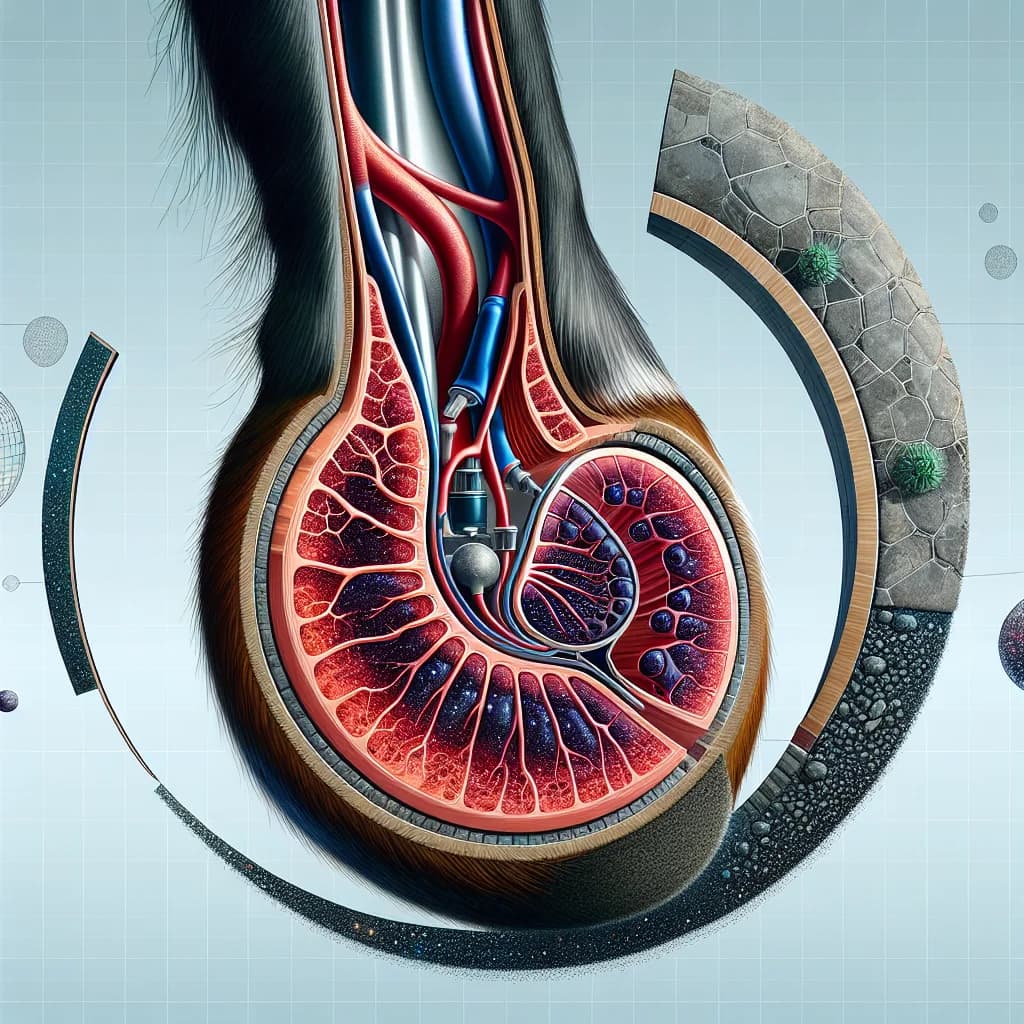
To understand how a hoof can pump blood, one must first look at the internal structures of the foot. Unlike a human fingernail, which is relatively static, the equine hoof is a dynamic, flexible organ. The primary components involved in circulation include the frog, the digital cushion, and the venous plexuses.
The Frog and Digital Cushion
The frog is the triangular, rubbery wedge located on the underside of the hoof. It is highly elastic and sensitive. Deep to the frog and the structural bones of the foot lies the digital cushion, a specialized pad of fibro-fatty tissue. These structures are designed to compress and expand. When a horse takes a step, the weight of the animal forces the pedal bone (P3) down onto the digital cushion, which then presses against the frog.
The Venous Plexuses
Surrounding these soft tissues is a dense network of blood vessels known as the venous plexuses. These plexuses act as reservoirs for blood. Because there are no muscles in the lower leg to squeeze the veins (a process known as the skeletal muscle pump in humans), the horse relies on the physical deformation of the hoof capsule to move blood back up the leg toward the heart.
How the Hoof Mechanism Works
The process by which the hoof acts as a pump is often referred to as the "hoof mechanism." It occurs in a rhythmic four-stage cycle every time the hoof strikes the ground:
- Impact and Expansion: As the hoof touches the ground, weight is transferred down the limb. The frog makes contact with the surface, and the internal structures compress. This causes the hoof wall at the heels to expand slightly outward.
- Compression: This expansion and internal pressure squeeze the venous plexuses. Since veins have one-way valves, the blood is forced upward out of the foot and back toward the body.
- Loading: During the peak of the stride, the pressure is at its highest, ensuring a powerful surge of blood return.
- Release and Refill: As the horse lifts its foot, the hoof capsule returns to its original shape. This creates a vacuum-like effect, drawing fresh, oxygenated blood down into the foot to refill the plexuses.
Historical Context and Evolutionary Necessity
From a zoological perspective, this specialized structure developed as horses evolved from multi-toed forest dwellers to single-hoofed plains runners. By moving muscle mass higher up the body and leaving the lower limbs light and "wire-like," horses became more efficient runners. However, this evolutionary trade-off meant they lost the local muscle power needed for circulation in the extremities. The "hoof pump" was nature’s solution to maintain circulatory efficiency without adding weight to the lower leg.
Practical Implications for Pet Horse Care
For the modern horse owner, understanding this circulatory pump is vital for evidence-based husbandry. Veterinary research consistently shows that restricted movement can lead to "stocked up" legs (edema), where fluid pools in the lower limbs because the pump isn't being activated.
- Turnout and Movement: Regular movement is the primary "engine" for equine circulation. Horses kept in stalls for long periods may suffer from reduced hoof health and slower healing due to the lack of blood flow stimulation.
- Proper Farriery: Whether a horse is barefoot or shod, the frog must be allowed to function. If a shoe is fitted in a way that prevents the frog from making contact with the ground or inhibits the expansion of the heels, the circulatory pump's efficiency is significantly compromised.
- Surface Considerations: Providing varied terrain can help stimulate the frog and digital cushion more effectively than standing on perfectly flat, hard surfaces.
Conclusion
Understanding why pet horses have a specialized structure in their hooves that acts as a circulatory blood pump reveals the profound connection between an animal’s anatomy and its environment. The hoof is far more than a simple weight-bearing "boot"; it is a sophisticated hemodynamic organ essential for cardiovascular health. By recognizing the importance of the hoof mechanism, owners can make better-informed decisions regarding stabling, exercise, and hoof care. Prioritizing movement and proper farriery ensures that a horse’s "four peripheral hearts" remain strong, supporting a long, active, and healthy life. For specific concerns regarding your horse’s hoof health, always consult with a qualified veterinarian or a professional farrier.