Why do pet horses lack the anatomical ability to vomit even after ingesting something toxic
While most animals rely on a quick "up-and-out" to survive toxic mistakes, horses are biologically trapped by a digestive system that functions as a strictly one-way street. Discover the high-stakes anatomical mystery of why horses lack this vital survival reflex and what happens when they ingest something they shouldn't.

Too Long; Didn't Read
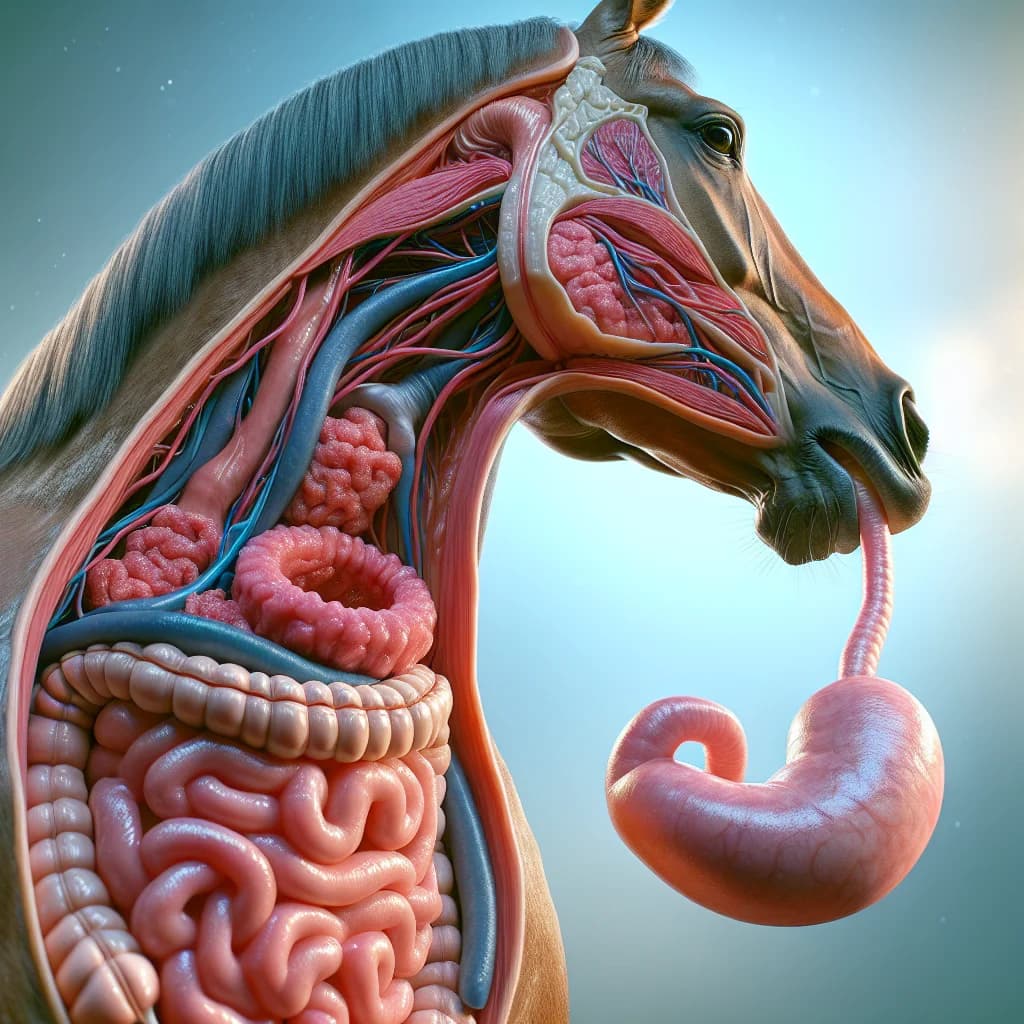
Horses cannot vomit because they possess an exceptionally strong one-way muscle at the stomach entrance and a sharp esophageal angle that prevents reverse flow. They also lack the neurological reflex to trigger vomiting, meaning any internal pressure or toxicity must pass through their system or risk causing a fatal stomach rupture.
The One-Way Street: Why do pet horses lack the anatomical ability to vomit even after ingesting something toxic?
Horses are often celebrated for their grace, speed, and incredible athletic prowess. However, beneath their powerful exterior lies a digestive system that is surprisingly fragile and uniquely specialized. Unlike humans, dogs, or even cats, horses possess a strictly "one-way" digestive tract. This biological quirk means that once something is swallowed, it is physically impossible for it to come back up. Understanding why do pet horses lack the anatomical ability to vomit even after ingesting something toxic is not just a matter of biological curiosity; it is a fundamental aspect of equine husbandry. For a horse, the inability to purge harmful substances makes dietary management and pasture safety a high-stakes responsibility for every owner. This post will examine the specific anatomical structures and evolutionary reasons that prevent horses from vomiting, highlighting why this trait makes them particularly vulnerable to digestive distress.
The Physical Barriers: A Mastery of One-Way Engineering
The primary reason a horse cannot vomit lies in the specialized anatomy of the upper digestive tract. While many mammals have a relatively flexible connection between the esophagus and the stomach, the horse’s anatomy is built for containment.
The Cardiac Sphincter
At the point where the esophagus meets the stomach, there is a powerful ring of muscle called the cardiac sphincter. In horses, this muscle is exceptionally strong and functions as a one-way valve. While it opens easily to allow food to enter the stomach, it clamps shut with immense pressure whenever there is upward force from the stomach. This prevents gastric contents from re-entering the esophagus.
The Angle of Entry
The way the esophagus joins the stomach further compounds this. In horses, the esophagus enters the stomach at a very sharp, oblique angle. When the stomach becomes distended—whether by gas, fluid, or excess food—it actually presses against the esophagus, further tightening the seal of the cardiac sphincter. This "self-locking" mechanism ensures that the more pressure there is inside the stomach, the harder it is for anything to escape upward.
Neural Pathways and the Lack of a Gag Reflex
Beyond the physical "doorway" of the stomach, horses lack the neurological hardware required for vomiting. In species that can vomit, the brain contains a dedicated "vomit center" that coordinates a complex series of muscular contractions.
Vomiting requires reverse peristalsis, where the rhythmic waves of the esophagus move upward instead of downward. Horses have very weak or nonexistent neural pathways for reverse peristalsis in the lower esophagus. Additionally, the equine gag reflex is minimal compared to other mammals. While a horse might cough if something irritates its throat, it does not possess the coordinated abdominal and diaphragmatic contractions necessary to forcefully expel stomach contents.
Evolutionary Context: Why the Flaw?
From an evolutionary standpoint, the inability to vomit likely developed because horses are cursorial grazers—animals designed to run from predators at a moment's notice.
- Aspiration Prevention: If a horse were to vomit while gallopng at high speeds, the risk of inhaling stomach contents into the lungs (aspiration) would be extremely high, leading to fatal pneumonia.
- Trickle Feeding: Horses evolved to eat small amounts of forage almost constantly. Unlike "gorge feeders" (like wolves) who might accidentally ingest a large amount of toxic meat and need to purge it, horses are selective grazers who naturally filter their intake through sensitive lips.
Clinical Consequences: Choke and Gastric Rupture
Because horses cannot vomit, digestive issues manifest in two primary ways that require immediate veterinary attention:
- Choke: This is an esophageal obstruction. Unlike humans, where "choking" refers to a blocked airway, equine choke is a blockage in the food pipe. Since the horse cannot cough the blockage up or vomit it out, it can cause tissue necrosis or aspiration of saliva.
- Gastric Rupture: In cases of severe colic or grain overload, the stomach can fill with gas or fluid. Because the "safety valve" of vomiting does not exist, the stomach may continue to expand until it physically ruptures, which is invariably fatal.
Best Practices for Equine Care
Understanding this anatomical limitation is vital for responsible ownership. Owners should adhere to these evidence-based guidelines:
- Slow Feeding: Use small-hole hay nets to prevent "bolting" of food, which reduces the risk of choke.
- Pasture Management: Ensure pastures are free of toxic plants like Red Maple, Yew, or Oleander, as the horse cannot purge these once swallowed.
- Hydration: Always provide fresh water to ensure ingesta remains mobile through the one-way system.
Conclusion
The question of why do pet horses lack the anatomical ability to vomit even after ingesting something toxic highlights a fascinating yet dangerous aspect of equine biology. Through a combination of a powerful cardiac sphincter, a sharp esophageal angle, and a lack of specific neural reflexes, nature has designed the horse as a one-way digestive system. While this design likely served their ancestors on the open plains, it leaves modern pet horses vulnerable to toxins and obstructions. Recognizing this limitation underscores the importance of meticulous dietary oversight and prompt veterinary intervention at the first sign of digestive discomfort. By respecting the unique "one-way" nature of the horse, owners can better protect their companions from life-threatening gastrointestinal crises.