Why do pet horses possess a specialized anatomical lock called a stay apparatus to sleep while standing up
Ever wondered how a horse can drift into deep sleep without ever hitting the ground? Discover the genius of the "biological kickstand" and why this remarkable anatomical hack is a masterclass in survival and efficiency.

Too Long; Didn't Read
Horses utilize a specialized anatomical system of ligaments and tendons called the stay apparatus to lock their joints, allowing them to rest while standing without muscular effort. This evolutionary trait ensures they can conserve energy and remain prepared to instantly flee from potential predators.
Standing Sentinel: Why Do Pet Horses Possess a Specialized Anatomical Lock Called a Stay Apparatus to Sleep While Standing Up?
For many first-time horse owners, observing a thousand-pound animal drifting into a deep doze while remaining perfectly upright can be a source of wonder and slight confusion. While humans require the relaxation of muscles and a horizontal position to rest, the horse has evolved a sophisticated biological workaround. This remarkable feat is made possible by a complex system of tendons and ligaments known as the stay apparatus. This anatomical feature is not merely a convenience; it is a vital evolutionary legacy that connects our modern pet horses to their wild ancestors. Understanding why pet horses possess a specialized anatomical lock called a stay apparatus to sleep while standing up is essential for ensuring their physical welfare and providing an environment that respects their unique physiological needs.
The Mechanics of the Equine Stay Apparatus
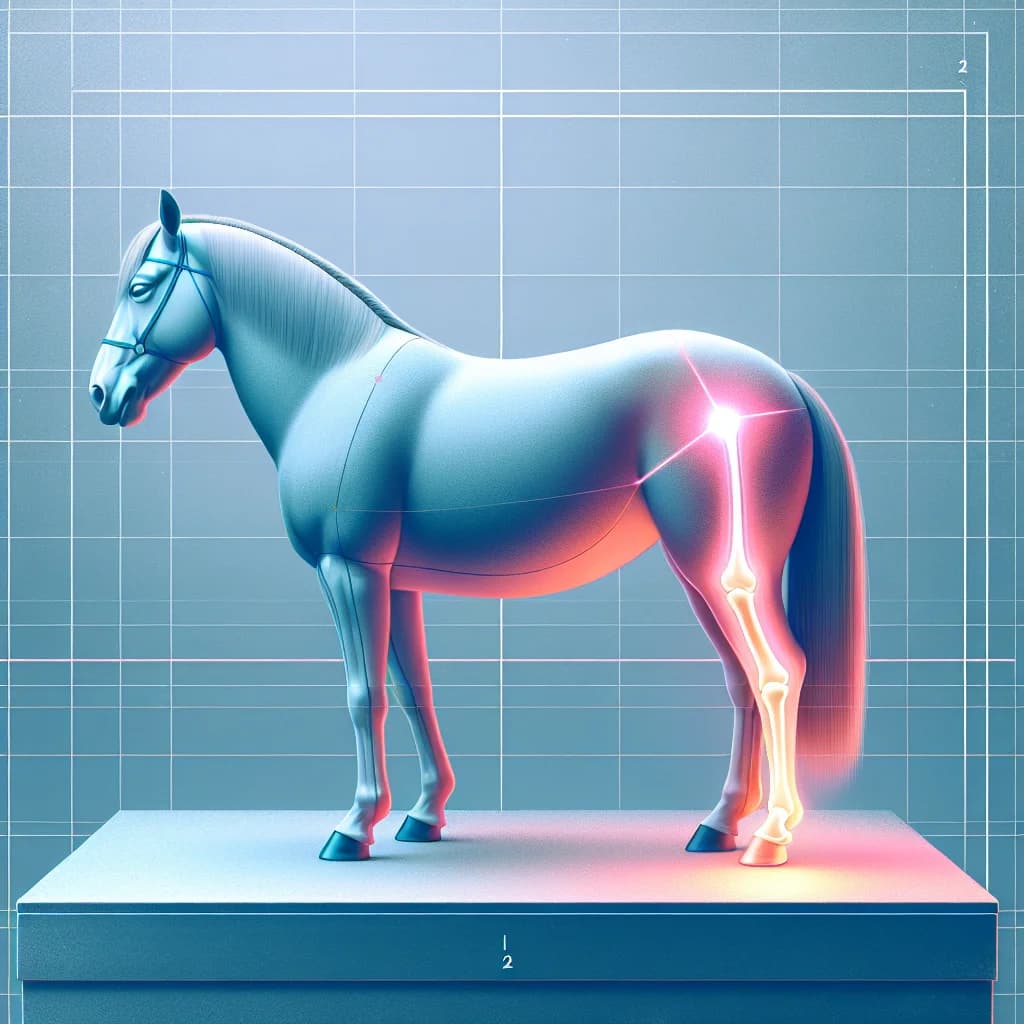
The stay apparatus is a specialized arrangement of muscles, tendons, and ligaments that allows a horse to lock its limbs in place with minimal muscular effort. Essentially, it transforms the horse’s legs into rigid pillars, allowing the animal to support its weight without the constant energy expenditure usually required to maintain an upright posture.
The Forelimb Mechanism
In the front legs, the stay apparatus relies on a series of non-tiring tendons and ligaments that "bypass" the muscles. The weight of the horse is transferred through the serratus ventralis muscle to the internal fibrous bands of the biceps brachii. This tension is then channeled down through the extensor carpi radialis and the suspensory apparatus, effectively locking the shoulder, elbow, and knee (carpus) joints. Because these structures are largely composed of collagenous tissue rather than contractile muscle fibers, they do not fatigue, allowing the horse to remain standing for hours.
The Hindlimb and the Patellar Lock
The hindlimb mechanism is slightly more complex and involves a "locking" of the kneecap, or patella. A horse can hook one of its patellar ligaments over a bony protrusion at the end of the femur (the medial trochlear ridge). This action locks the stifle joint in an extended position. Because the stifle and the hock are linked by a "reciprocal apparatus"—a set of tendons that force the two joints to move in unison—locking the stifle automatically stabilizes the hock. You will often notice a resting horse resting one hind leg on the tip of its hoof; this indicates that the opposite leg has its stay apparatus fully engaged to bear the weight of the hindquarters.
Evolutionary Roots: Survival of the Swiftest
The primary reason horses evolved this anatomical lock is rooted in their history as a prey species. In the wild, horses inhabited open grasslands where cover was scarce and predators were a constant threat.
The transition from a lying position (recumbent) to a full gallop takes several seconds for a large ungulate. In the high-stakes environment of the prehistoric plains, those few seconds represented the difference between escape and predation. By utilizing the stay apparatus, horses can achieve "slow-wave sleep"—a light form of slumber—while remaining ready to flee at a moment’s notice. This "flight" response is so deeply ingrained in equine DNA that even the most pampered pet horse retains the biological urge to remain upright during much of its rest.
Light Sleep vs. REM Sleep
It is a common misconception that horses never need to lie down. While the stay apparatus is highly efficient for light rest, it does not allow for Rapid Eye Movement (REM) sleep. During REM sleep, muscle tone is completely lost (autonic state), which would cause a standing horse to collapse.
To achieve the 30 to 60 minutes of REM sleep required daily for cognitive health and physical recovery, a horse must lie down in either a sternal or lateral position. Veterinary research indicates that if a horse feels insecure in its environment—perhaps due to a lack of herd mates or a cramped stall—it may suffer from sleep deprivation. This can lead to "sleep crashing," where the horse enters REM sleep while standing, causing the stay apparatus to fail and the horse to stumble or fall.
Best Practices for Equine Rest and Welfare
For horse owners, understanding the stay apparatus is key to proper husbandry. To support a horse’s natural sleep cycle, consider the following:
- Provide Adequate Space: Ensure stalls are large enough for the horse to lie down and stretch out fully.
- Social Stability: Horses are social sleepers; they feel safest lying down when another "sentinel" horse is standing nearby to keep watch.
- Footing and Comfort: Use adequate bedding to protect joints when the horse chooses to move from standing rest to recumbent sleep.
Conclusion
Understanding why pet horses possess a specialized anatomical lock called a stay apparatus to sleep while standing up offers a fascinating window into equine biology and evolution. This anatomical marvel allows horses to balance the need for rest with the biological imperative of safety. However, acknowledging the limitations of the stay apparatus is equally important. While it provides the efficiency needed for light dozing, horses still require a secure, comfortable environment to achieve the deep sleep necessary for their overall well-being. By respecting this delicate balance between standing sentinel and deep rest, owners can ensure their horses remain healthy, alert, and well-rested companions.