Why do pet iguanas have a functioning third eye on their heads to detect overhead predators
Your iguana is hiding a literal superpower right on top of its head: a functioning "third eye" that scans the skies for danger. Dive into the incredible science of the parietal eye and discover how this prehistoric radar keeps your pet one step ahead of every threat.

Too Long; Didn't Read
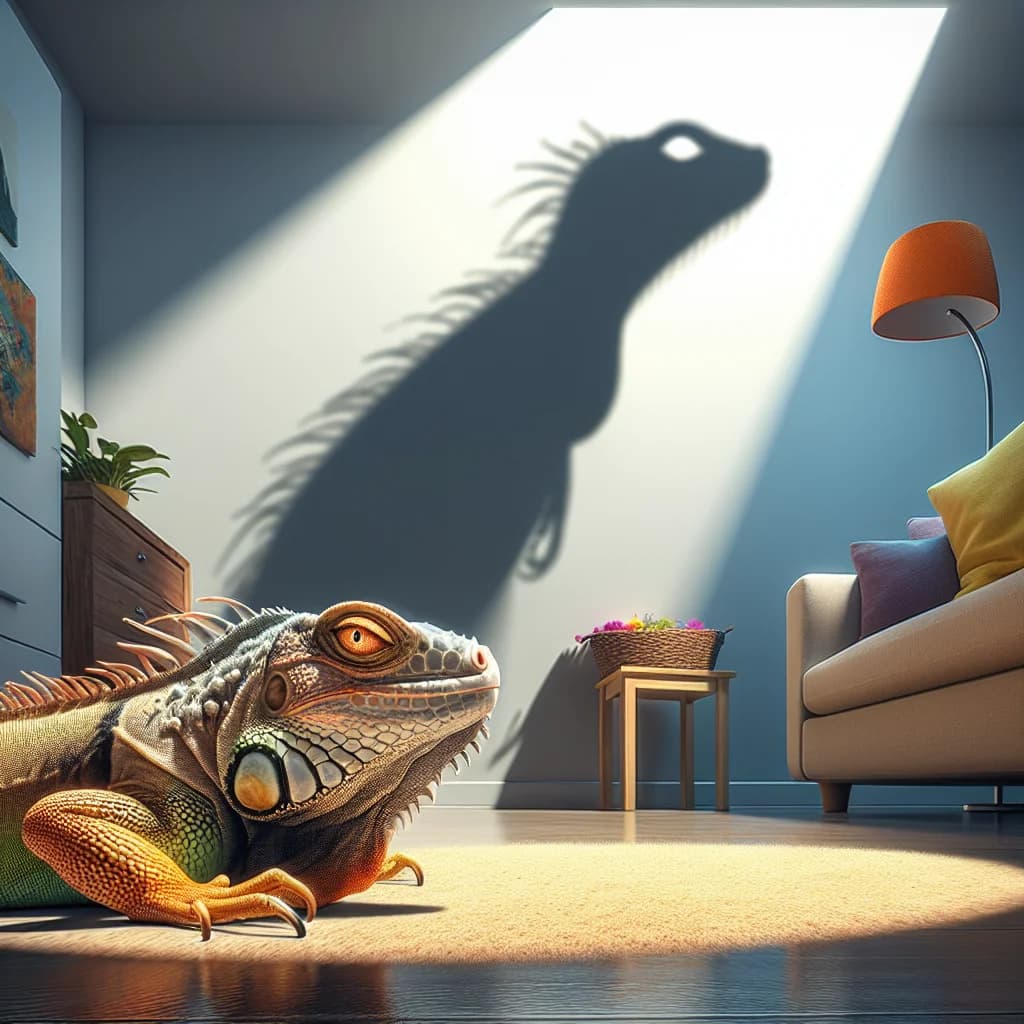
Iguanas possess a specialized parietal eye on the top of their heads that detects subtle changes in light and movement. This functioning third eye acts as a built-in security system, alerting them to the shadows of overhead predators like hawks even when their primary eyes are focused elsewhere.
The Secret Sense: Why Do Pet Iguanas Have a Functioning Third Eye on Their Heads to Detect Overhead Predators?
If you have ever looked closely at the top of a Green Iguana’s head, you may have noticed a small, translucent, or pale scale that looks distinctly different from the surrounding skin. This is not a scar or a birthmark; it is a functioning photosensory organ known as the parietal eye, or the "third eye." While it may seem like something out of a science fiction novel, this biological feature is a testament to millions of years of reptilian evolution. For pet owners, understanding this unique anatomy is more than just a fascination—it is vital for appreciating how these animals perceive their environment and interact with their human caretakers. This post explores the biological mechanisms behind the parietal eye and explains exactly why iguanas require this specialized tool to survive both in the wild and in a home setting.
What is the Parietal Eye?
The parietal eye, often called the pineal eye, is a part of the epithalamus found in several species of lizards, including the popular pet Green Iguana (Iguana iguana). Unlike the primary eyes, the third eye does not possess the complex musculature or the ability to focus and form high-resolution images. However, it is far from primitive.
Biologically, the parietal eye consists of a rudimentary lens, a retina-like structure, and a nerve connection that leads directly to the pineal gland in the brain. It is sensitive to changes in light intensity and can even detect specific wavelengths of light, such as ultraviolet (UV) radiation. This organ acts as a specialized light-meter, providing the iguana with a constant stream of data about the environment above them.
The Primary Function: Detecting Overhead Predators
The most immediate evolutionary benefit of the parietal eye is predator avoidance. In their native habitats across Central and South America, iguanas are frequently targeted by raptors, such as hawks and eagles. Because these predators attack from the sky, an iguana basking on a tree limb is highly vulnerable from above.
- Shadow Detection: The parietal eye is exquisitely sensitive to sudden changes in light. If a bird of prey flies overhead, its shadow momentarily blocks the sunlight hitting the top of the iguana's head.
- Rapid Response: This drop in light triggers an immediate neurological response, alerting the iguana to potential danger before its primary eyes might even see the predator.
- The "Flight" Trigger: For pet owners, this explains why an iguana might suddenly dive for cover or become aggressive when a hand reaches down from above. To the third eye, a descending hand mimics the silhouette of an attacking hawk.
Beyond Predators: The Biological Clock and Thermoregulation
While predator detection is a key survival trait, the parietal eye serves other critical physiological functions that impact an iguana's daily health and wellbeing.
Circadian Rhythms and Melatonin
The parietal eye is directly linked to the pineal gland, which is responsible for the production of melatonin. By sensing the duration and intensity of sunlight throughout the day, the third eye helps the iguana maintain its circadian rhythm. This internal clock tells the lizard when to wake up, when to eat, and when to sleep. Disrupting this sense—such as through improper artificial lighting in a terrarium—can lead to significant stress and metabolic issues.
Thermoregulation
As ectotherms, iguanas rely on external heat sources to regulate their body temperature. Research suggests that the parietal eye assists the iguana in "measuring" the intensity of the sun’s radiation. This allows the lizard to determine exactly how long it needs to bask to reach an optimal metabolic temperature. It also helps the animal navigate toward areas with higher UV exposure, which is necessary for the synthesis of Vitamin D3.
Implications for Pet Care and Husbandry
Understanding the function of the third eye is essential for responsible iguana ownership. Because this organ is so sensitive, it dictates how we should interact with these reptiles:
- Approach from the Side: To avoid triggering the iguana's "overhead predator" instinct, always approach your pet from the side rather than reaching directly over their head.
- Proper Lighting Placement: Ensure that UVB and heat lamps are positioned correctly. The parietal eye needs to "register" the light source to help the iguana regulate its basking behavior effectively.
- Respect the "Eye": Never attempt to cover or obstruct the parietal scale, as this can disorient the animal and interfere with its ability to sense its environment.
Conclusion
The parietal eye is a remarkable evolutionary adaptation that allows pet iguanas to "see" the world in a way humans cannot. By functioning as a dedicated sensor for overhead threats, a biological clock, and a thermoregulatory guide, this third eye is central to an iguana’s survival and health. For the dedicated reptile keeper, recognizing the power of this organ is a step toward providing a more natural and stress-free environment for these prehistoric-looking companions. Always remember that when you are looking at your iguana, their third eye is likely keeping a steady watch on everything above them, ensuring they remain safe and in tune with the rhythm of their world. For specific concerns regarding your pet's behavior or health, consulting with a qualified avian and exotic veterinarian is always the best course of action.