Why do pet macaws blush by rushing blood to their bare cheek patches when they are excited or happy
Did you know your macaw can literally turn pink with joy? Discover the fascinating science behind why these vibrant parrots blush and what their rosy cheeks are secretly trying to tell you about their emotions.

Too Long; Didn't Read
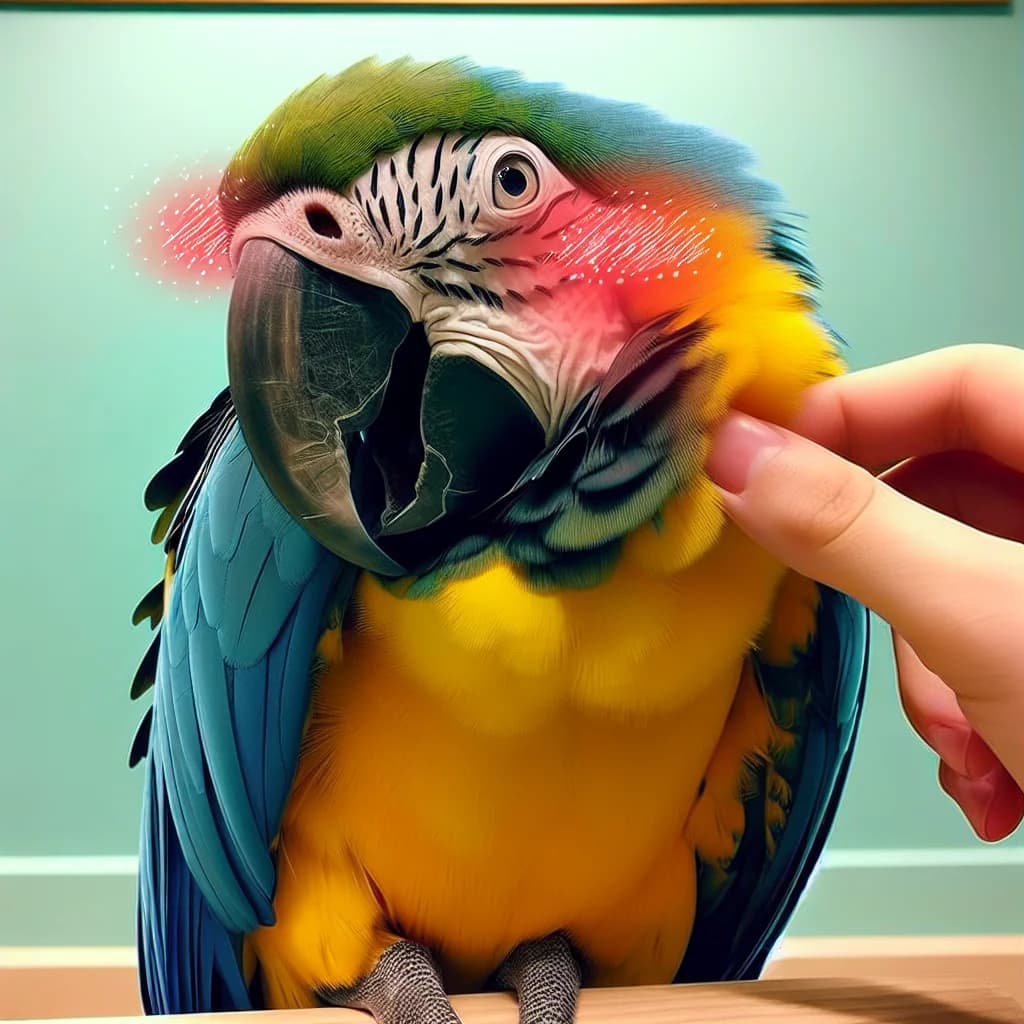
Macaws blush when their bare facial skin flushes with blood due to increased heart rate and emotional arousal. Similar to human blushing, this physiological response signals positive feelings like excitement, happiness, or social bonding, acting as a visual indicator of the bird’s internal emotional state.
A Flush of Feeling: Why Do Pet Macaws Blush by Rushing Blood to Their Bare Cheek Patches When They Are Excited or Happy?
Imagine gazing into the eyes of your vibrant Blue-and-yellow Macaw and noticing a soft, rosy hue spreading across their normally white, featherless face. This phenomenon, often called "blushing," is one of the most captivating and scientifically intriguing behaviors in the avian world. While macaws are celebrated for their brilliant plumage and high intelligence, their bare cheek patches provide a unique, transparent window into their physiological and emotional states. Understanding why do pet macaws blush by rushing blood to their bare cheek patches when they are excited or happy is essential for any dedicated owner or enthusiast. This biological response is more than just a quirky trait; it is a sophisticated form of non-verbal communication that deepens the human-animal bond and offers critical insights into parrot welfare and social dynamics. This blog post will explore the anatomical mechanisms and emotional triggers behind the macaw's blush.
The Anatomy of the Avian Blush
To understand why macaws blush, we must first look at the specialized anatomy of their facial structure. Many species in the genus Ara, such as the Blue-and-yellow Macaw (Ara ararauna), possess large, featherless patches of skin surrounding their eyes and extending toward the beak.
Unlike the rest of their body, which is insulated by dense feathers, these patches expose the dermis directly to the environment. This skin is highly vascularized, meaning it contains a dense network of tiny blood vessels called capillaries. Because the skin in this area is remarkably thin and lacks pigmentation, any change in blood flow becomes immediately visible to the naked eye. When the macaw experiences a surge of emotion, the capillaries dilate, and an increased volume of oxygenated blood rushes to the surface, creating the characteristic pink or reddish "blush."
The Science of Vasodilation and Emotion
The "rush of blood" that causes blushing is regulated by the bird’s autonomic nervous system. Specifically, this is a physiological response known as vasodilation. When a macaw encounters a stimulating situation—such as the arrival of a favorite human, a preferred treat, or a stimulating toy—their heart rate increases and their blood vessels expand.
A landmark study published in the journal PLOS ONE in 2018 by researchers at INRA in France provided the first scientific evidence of this phenomenon in Blue-and-yellow Macaws. The researchers observed that blushing was significantly more frequent during "positive high arousal" states. These states include:
- Mutual Interaction: Engaging in gentle play or talking with a trusted caretaker.
- Anticipation: Seeing a meal or a familiar enrichment activity being prepared.
- Social Bonding: Participating in "allopreening" (mutual grooming) or being petted in a way the bird enjoys.
Decoding the Context: Happy vs. Stressed
While blushing is a reliable indicator of arousal, it is important for owners to interpret the context. In the avian world, "arousal" simply means high energy; it can be positive (joy, excitement) or negative (fear, territorial aggression). However, veterinary behaviorists note that happy blushing is almost always accompanied by specific body language cues:
- Feather Ruffling: Macaws often ruffle the feathers on the nape of their neck or the top of their head while blushing.
- Eye Pinning: The rapid constriction and dilation of the pupils, known as "pinning," often happens simultaneously with a blush during moments of intense interest.
- Relaxed Posture: A happy, blushing macaw will generally have a relaxed stance, whereas an aggressive bird will stand tall with flaring wings.
Why Blushing Matters for Captive Care
Recognizing the blush is a powerful tool for improving macaw husbandry. Because these birds are highly social and sensitive, being able to "read" their face allows owners to tailor their interactions.
- Training Reinforcement: If a bird blushes during a training session, it is a sign they are engaged and enjoying the mental stimulation.
- Welfare Monitoring: Frequent blushing during social time suggests a healthy, well-adjusted bird that feels safe in its environment.
- Bonding: Responding to a macaw's blush with calm, positive reinforcement strengthens the trust between the bird and the human.
Conclusion
Understanding why do pet macaws blush by rushing blood to their bare cheek patches when they are excited or happy provides a fascinating look at the complexity of avian emotions. This physiological response—rooted in the rapid vasodilation of facial capillaries—serves as a vivid indicator of a macaw's internal world. By paying close attention to these subtle shifts in skin color alongside other behavioral cues, caretakers can ensure they are providing the highest level of emotional and social care for these magnificent parrots. Recognizing the macaw's blush not only enhances our scientific appreciation of the species but also fosters a more empathetic and responsive relationship with our feathered companions. If you notice persistent redness or skin changes that seem unrelated to excitement, always consult an avian veterinarian to rule out underlying health issues.