Why do pet pigs produce a piercing squeal that reaches a higher volume than a roaring jet engine
Think a roaring jet engine is the ultimate noise machine? Discover the startling science behind how a pet pig can actually out-shout a plane and the evolutionary secret hidden within those ear-piercing screams.

Too Long; Didn't Read
Pet pigs produce deafening squeals reaching up to 130 decibels as a vital communication and survival tool. Their unique vocal anatomy and powerful lung capacity allow them to express intense emotions like fear, pain, or excitement, ensuring they grab immediate attention from their herd or owners.
Decibel Levels and Defense: Why Do Pet Pigs Produce a Piercing Squeal That Reaches a Higher Volume Than a Roaring Jet Engine?
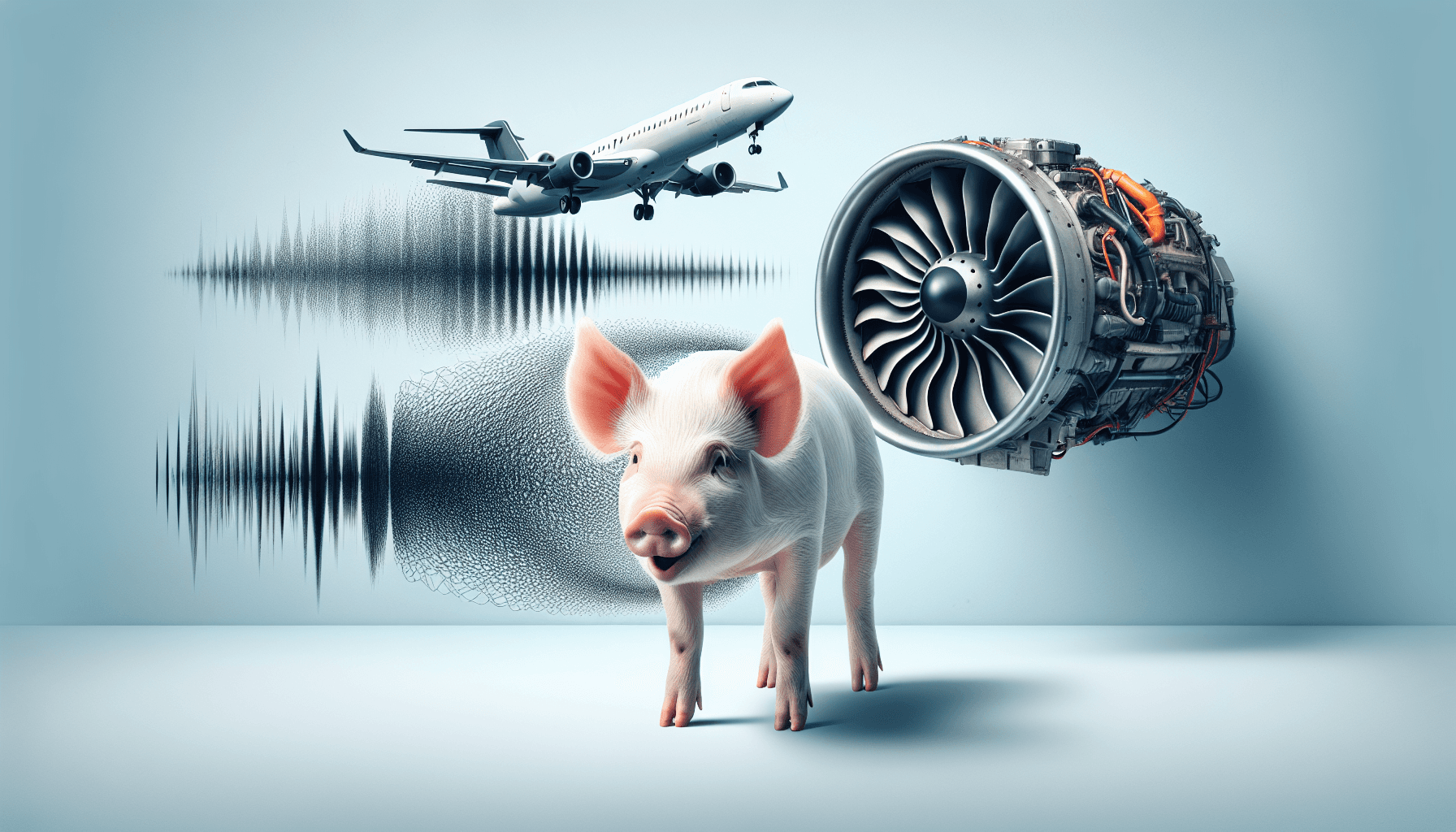
To the uninitiated, the sound of a pet pig in full vocal protest is nothing short of a biological marvel. While we often associate pigs with gentle grunts and curious snuffles, they possess a vocal range that can startle even the most seasoned animal handler. Research indicates that a pig’s squeal can reach levels between 115 and 130 decibels. To put this into perspective, a roaring jet engine at takeoff typically registers around 120 decibels. This extraordinary volume is not a random quirk of nature but a sophisticated evolutionary tool rooted in the species' biology and social history. Understanding the mechanics and motivations behind these ear-splitting vocalizations is essential for any pet owner looking to provide a high standard of porcine welfare and husbandry.
This blog post explores the physiological and evolutionary reasons behind the pig's powerful vocalizations, examining how this trait served their ancestors and how it manifests in the domestic human-animal bond today.
The Anatomy of a High-Decibel Scream
The ability to produce such high-intensity sound is a result of the pig’s unique upper respiratory anatomy. Pigs possess a highly developed larynx and a powerful diaphragm, allowing them to force a large volume of air through their vocal cords with incredible pressure. Unlike many other mammals that rely on various facial expressions for communication, pigs are primarily vocal and olfactory communicators.
Their vocal tract is designed for resonance. When a pig "screams," the sound is projected from the throat with minimal obstruction, utilizing the shape of the oral cavity to amplify the frequency. Veterinary studies in bioacoustics have shown that these squeals are typically high-frequency sounds, which carry further and are more likely to penetrate through dense undergrowth—the natural habitat of their wild ancestors, the Eurasian wild boar (Sus scrofa).
Evolutionary Roots: Survival of the Loudest
In the wild, pigs are social animals that live in groups called sounders. However, as piglets, they are vulnerable to a wide array of predators. The piercing squeal evolved as a primary defense mechanism. There are two main biological functions for this volume:
- The Startle Reflex: A sudden 130-decibel sound can momentarily stun or disorient a predator, providing the pig a vital second to escape.
- The Distress Signal: In a sounder, a pig in trouble uses its voice to alert the rest of the group. Because pigs are highly protective of their young and their peers, a loud enough distress call can summon the dominant sows of the group to defend the individual in danger.
Domestication has not dampened this instinct. Even in a safe home environment, the biological "hard-wiring" remains. When a pet pig feels restrained or frightened, it defaults to this ancient survival tactic.
Behavioral Context: Understanding the Message
Not all loud squeals indicate life-threatening danger. In a domestic setting, pigs use their vocal range to communicate a variety of emotional states to their human caretakers.
- Protest: Pigs are notoriously opinionated. Being picked up—which mimics the sensation of being caught by a predator—is the most common trigger for a jet-engine-level squeal.
- Excitement and Anticipation: Many owners report "food screams" where the pig reaches high decibels in anticipation of a meal.
- Pain or Illness: A sudden change in vocalization intensity can be a clinical indicator of physical distress or injury.
- Social Hierarchy: Pigs use vocalizations to establish dominance or express annoyance with other pets or humans.
Managing the Noise: Evidence-Based Guidelines
While you cannot "train" the volume out of a pig—as it is a physiological capability—you can manage the frequency of these outbursts through proper husbandry and behavioral modification.
- Positive Reinforcement: Use desensitization techniques to get pigs used to being handled or having their hooves trimmed. Rewarding quiet behavior with high-value treats can shift their communication preference toward lower-frequency grunts.
- Environmental Enrichment: Boredom can lead to vocal demanding. Providing rooting mats, puzzle feeders, and outdoor access reduces frustration-related noise.
- Respect the "Flight" Zone: Understanding pig body language can help you intervene before a pig feels the need to scream. Watch for pinning ears or tensed muscles.
Conclusion
The piercing squeal of a pet pig is a testament to the species' incredible evolutionary resilience. Reaching volumes that rival jet engines, these vocalizations are complex tools designed for survival, social signaling, and emotional expression. For the responsible owner, recognizing that these sounds are a biological necessity rather than a behavioral "flaw" is the first step toward a harmonious relationship. By providing an environment that respects their natural instincts and utilizing science-based training methods, owners can manage the noise while appreciating the remarkable biology of these intelligent animals. Understanding the "why" behind the noise not only improves animal welfare but strengthens the unique bond between humans and their porcine companions.