Why do pet rabbits eat specialized droppings called cecotropes to recover nutrients missed during their first digestion
It may look like a gross habit, but those "special" droppings are actually life-saving nutrient boosters essential for your bunny’s survival. Discover the fascinating science behind cecotropes and why this "second-pass" digestion is the secret to a healthy, thriving rabbit.

Too Long; Didn't Read
Rabbits ingest nutrient-dense cecotropes to recover essential vitamins and proteins missed during their initial digestion. This unique process, called cecotrophy, allows them to maximize nutrient absorption from their high-fiber diet to maintain optimal health.
The Science of the Second Meal: Why Do Pet Rabbits Eat Specialized Droppings Called Cecotropes to Recover Nutrients Missed During Their First Digestion?
To the uninitiated observer, witnessing a pet rabbit consume its own droppings can be a startling, and perhaps unsettling, experience. However, this behavior, known as cecotrophy, is far from a digestive fluke or a sign of poor hygiene. In the world of lagomorph biology, it is a sophisticated and essential evolutionary adaptation. For a small herbivore that subsists on tough, fibrous plant material, the first pass through the digestive tract simply isn't enough to extract all the life-sustaining fuel hidden within cell walls.
Understanding why do pet rabbits eat specialized droppings called cecotropes to recover nutrients missed during their first digestion is fundamental to responsible rabbit husbandry. This process is not merely a "behavioral quirk" but a critical physiological requirement for their survival. This blog post will explore the intricate biological machinery of the rabbit's gut, the specific nutrients recovered through cecotrophy, and why this "second meal" is a hallmark of an efficient, high-functioning digestive system.
The Rabbit’s Digestive Engine: Hindgut Fermentation
Rabbits are classified as "hindgut fermenters." Unlike ruminants (such as cows), which ferment food in a multi-chambered stomach before it reaches the rest of the tract, rabbits process food in a specialized organ called the cecum. The cecum is a large, blind-ended pouch located at the junction of the small and large intestines.
When a rabbit eats hay or leafy greens, the digestive system separates the material. Large, indigestible fiber particles are moved quickly through the colon and expelled as the hard, dry, round pellets owners typically see in the litter box. Meanwhile, the smaller, fermentable fiber particles are diverted into the cecum. Inside this "fermentation vat," a complex community of beneficial bacteria and fungi breaks down the cellulose, turning it into digestible nutrients.
What Are Cecotropes?
It is important to distinguish between ordinary fecal pellets and cecotropes. While they may appear similar to the untrained eye, they are biologically distinct:
- Fecal Pellets: These are the waste products of digestion. They are hard, dry, composed of large fiber fragments, and contain very little nutritional value.
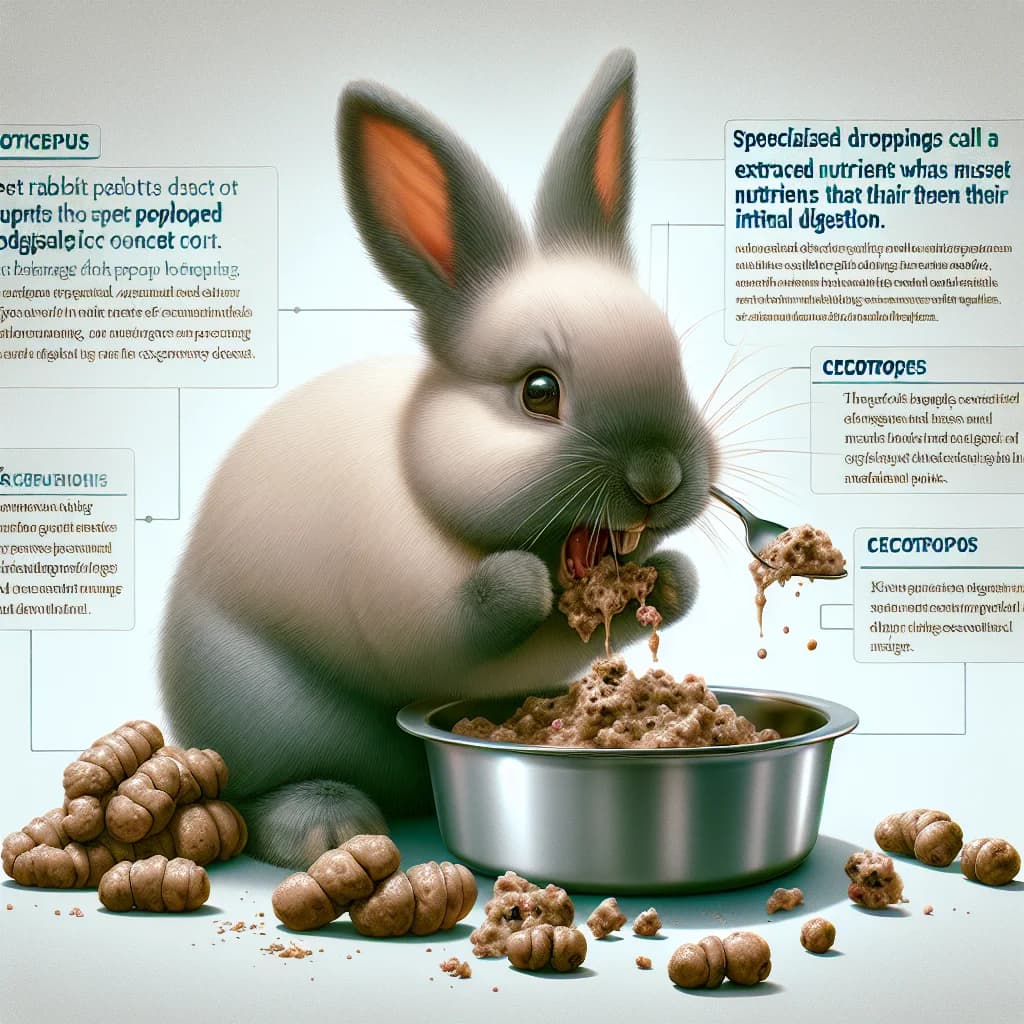
- Cecotropes: Often referred to as "night feces," these are soft, moist, greenish-brown clusters that often resemble a small bunch of grapes. They are coated in a thin layer of mucus designed to protect them from the highly acidic environment of the rabbit’s stomach during their second passage.
The Nutritional Powerhouse
The reason why do pet rabbits eat specialized droppings called cecotropes to recover nutrients missed during their first digestion is found in their chemical composition. During the fermentation process in the cecum, microbes produce an array of essential compounds that the rabbit cannot synthesize on its own or extract from the first pass of raw plants. These include:
- Vitamin B Complex: Crucial for energy metabolism and neurological health.
- Vitamin K: Essential for blood clotting and bone health.
- Microbial Protein: High-quality protein synthesized by the bacteria within the cecum.
- Short-Chain Fatty Acids: A primary energy source for the rabbit.
By consuming the cecotrope directly from the anus—a behavior typically performed in the quiet hours of the early morning or night—the rabbit ensures these nutrients are re-ingested and absorbed in the small intestine, where nutrient uptake primarily occurs.
Signs of a Healthy Digestive Cycle
In a healthy rabbit, owners rarely see cecotropes because they are consumed immediately. However, observing the presence or absence of these "soft pellets" can provide a window into the animal's well-being.
- Evidence of Consumption: If a rabbit is active, maintaining weight, and producing consistent hard pellets, the cecotrophy process is likely functioning perfectly.
- Uneaten Cecotropes: If you frequently find soft, smelly clusters in the cage, it may indicate a problem. This could be due to an overly rich diet (too many pellets or treats), obesity (preventing the rabbit from reaching its rear), or dental issues that make consumption painful.
- Digestive Stasis: A total lack of both hard pellets and cecotropes is a veterinary emergency known as GI Stasis, where the muscular contractions of the gut slow down or stop.
Conclusion
The unique biological process of cecotrophy is a testament to the efficiency of the rabbit's evolutionary design. Understanding why do pet rabbits eat specialized droppings called cecotropes to recover nutrients missed during their first digestion allows owners to move past the "ick factor" and appreciate the complex science of lagomorph nutrition. These specialized droppings are not waste; they are a vital nutrient supplement that ensures a rabbit gains the vitamins and proteins necessary for a long, healthy life.
As a responsible rabbit owner, the best way to support this natural cycle is by providing a diet high in long-strand timothy hay, which keeps the "fermentation vat" of the cecum moving. Always monitor your pet’s digestive output, and if you notice significant changes in cecotrope production or consumption, consult a rabbit-savvy veterinarian to ensure your companion’s internal engine remains in peak condition.