Why do pet rabbits eat their own specialized droppings called cecotropes to maximize their digestion and nutrient intake
It might look like a strange habit, but your rabbit’s "second-chance" snacking is actually a nutritional superpower essential for their survival. Discover the fascinating science behind cecotropes and how this unique digestive process keeps your bunny healthy and thriving.

Too Long; Didn't Read
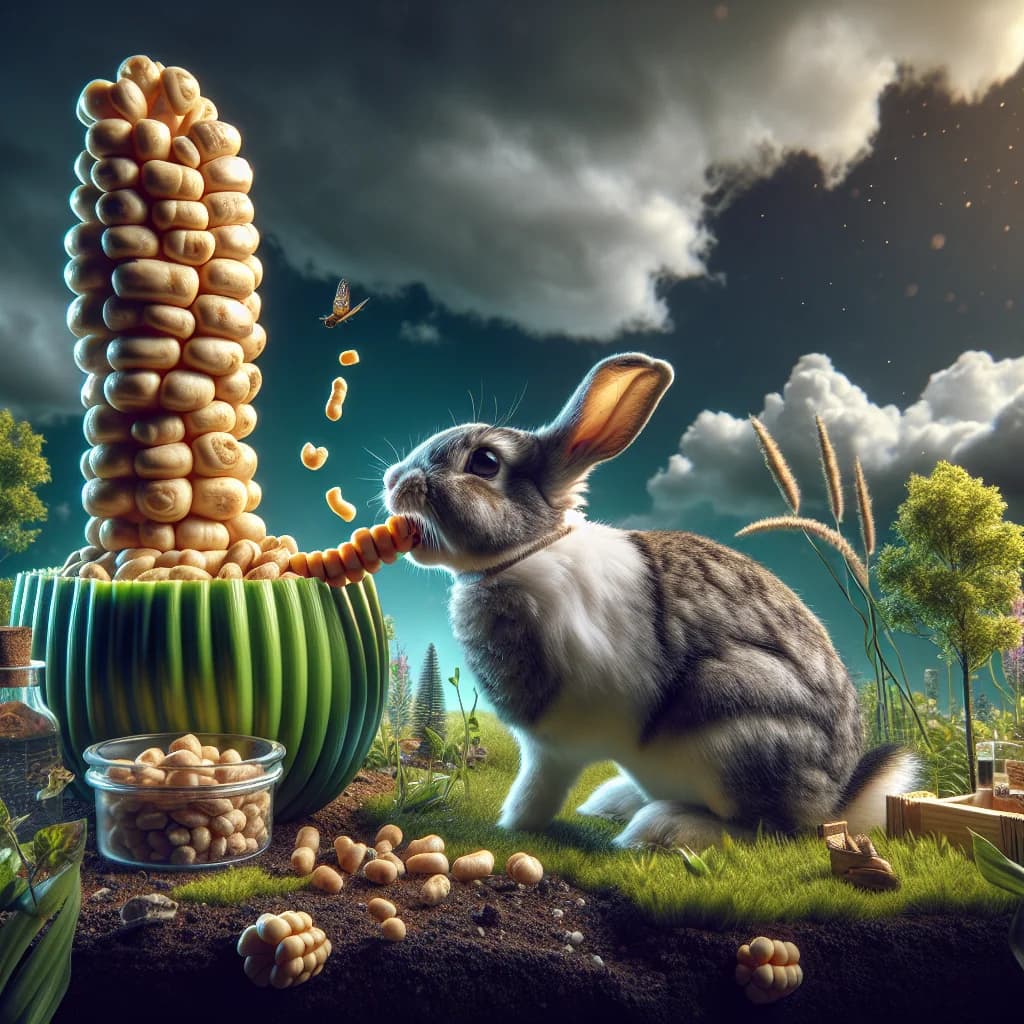
Rabbits eat cecotropes to re-digest essential nutrients, proteins, and vitamins that weren't fully absorbed during the first pass through their system. This unique process, called cecotrophy, allows them to extract maximum nutritional value from their high-fiber diet for optimal health.
The Science of Cecotrophy: Why Do Pet Rabbits Eat Their Own Specialized Droppings Called Cecotropes to Maximize Their Digestion and Nutrient Intake?
For many first-time rabbit owners, witnessing their pet consume its own droppings can be a startling, and perhaps even concerning, experience. However, in the world of lagomorph biology, this behavior is not a sign of illness or a lack of hygiene; rather, it is a sophisticated evolutionary adaptation known as cecotrophy. Unlike most mammals, rabbits have developed a unique way to process tough, fibrous plant material that would otherwise be indigestible. This process is essential for their survival and overall health. Understanding why do pet rabbits eat their own specialized droppings called cecotropes to maximize their digestion and nutrient intake is fundamental to providing proper husbandry and ensuring your pet flourishes. This blog post will delve into the biological necessity of this behavior and the vital role it plays in rabbit nutrition.
Understanding the Difference: Fecal Pellets vs. Cecotropes
To understand cecotrophy, one must first distinguish between the two types of waste a rabbit produces. The hard, round, dry pellets typically found in a litter box are indigestible fiber—waste material that has passed through the system without much nutritional value.
In contrast, cecotropes (often called "night feces") are small, soft, moist, and typically found in clusters that resemble blackberries. They are coated in a thin layer of mucus and possess a distinctively pungent odor. These are not waste products in the traditional sense; they are nutrient-dense packets produced in the cecum, a large fermentation vat located at the junction of the small and large intestines.
The Mechanics of Hindgut Fermentation
Rabbits are classified as "hindgut fermenters." Their digestive system is specifically designed to handle high volumes of cellulose. When a rabbit eats hay or greens, the food moves through the stomach and small intestine, where easily digestible nutrients are absorbed. However, the complex fibers move toward the colon.
Through a process called "hindgut sorting," the rabbit’s body separates large fiber particles from small, fermentable ones.
- Large particles: These move quickly through the colon and are expelled as the dry, hard fecal pellets we see most often.
- Small particles: These are diverted into the cecum, where a complex colony of beneficial bacteria, yeasts, and protozoa break down the cellulose through fermentation.
This fermentation process creates a rich slurry of vitamins and proteins. To reclaim these nutrients, the rabbit’s nervous system triggers the expulsion of this material as a cecotrope, which the rabbit then consumes directly from the anus to begin a second pass through the digestive tract.
Why Cecotrophy is Nutritionally Essential
The primary reason rabbits engage in this behavior is that the most valuable nutrients produced during fermentation are created in the "hind" part of the gut, past the point where the small intestine can absorb them. By re-ingesting the cecotropes, the rabbit allows these nutrients to pass through the stomach and small intestine a second time, ensuring maximum absorption.
Key Nutrients Found in Cecotropes:
- B-Complex Vitamins: Fermentation in the cecum produces high levels of Vitamin B12 and other B vitamins essential for metabolism and neurological health.
- Vitamin K: Necessary for blood clotting and bone health.
- Amino Acids: Cecotropes are a significant source of microbial protein, which provides the essential amino acids that may be lacking in a rabbit's primary forage.
- Short-Chain Fatty Acids: These provide a critical energy source for the rabbit’s cellular functions.
Practical Implications for Rabbit Care
Because cecotrophy is vital, the presence of "uneaten" cecotropes in a rabbit's enclosure is often a clinical sign that something is wrong. Under normal circumstances, you should rarely see a cecotrope because the rabbit consumes them immediately.
Indicators of Health Issues:
- Dietary Imbalance: A diet too high in sugar or starch (too many treats or commercial pellets) can disrupt the pH of the cecum, leading to "mushy" cecotropes that the rabbit cannot easily consume.
- Obesity: Overweight rabbits may be physically unable to reach their underside to perform cecotrophy.
- Arthritis or Dental Pain: Chronic pain can prevent a rabbit from bending properly to ingest cecotropes.
To support healthy digestion, veterinary consensus emphasizes a diet consisting of at least 80% high-quality grass hay. The long-strand fiber in hay is the mechanical "engine" that keeps the hindgut sorting process functioning correctly.
Conclusion
Understanding why do pet rabbits eat their own specialized droppings called cecotropes to maximize their digestion and nutrient intake allows owners to appreciate the incredible efficiency of the lagomorph digestive system. Far from being a "gross" habit, cecotrophy is a refined biological strategy that enables rabbits to thrive on low-energy, high-fiber diets that would leave other animals malnourished. By monitoring your rabbit's output and ensuring they have access to a fiber-rich diet, you are supporting a fundamental aspect of their physiology. Always remain observant of changes in your rabbit’s digestive habits, as these are often the first indicators of underlying health concerns. If you notice uneaten cecotropes consistently, consult a rabbit-savvy veterinarian to ensure your pet remains in peak condition.