Why do pet rabbits eat their own specialized droppings called cecotropes to recover essential B vitamins and proteins
While it might look like a "gross" habit, your rabbit’s consumption of cecotropes is actually a brilliant nutritional "do-over" essential for their survival. Discover the fascinating science behind this behavior and how it unlocks the vital proteins and B vitamins your bunny needs to thrive.

Too Long; Didn't Read
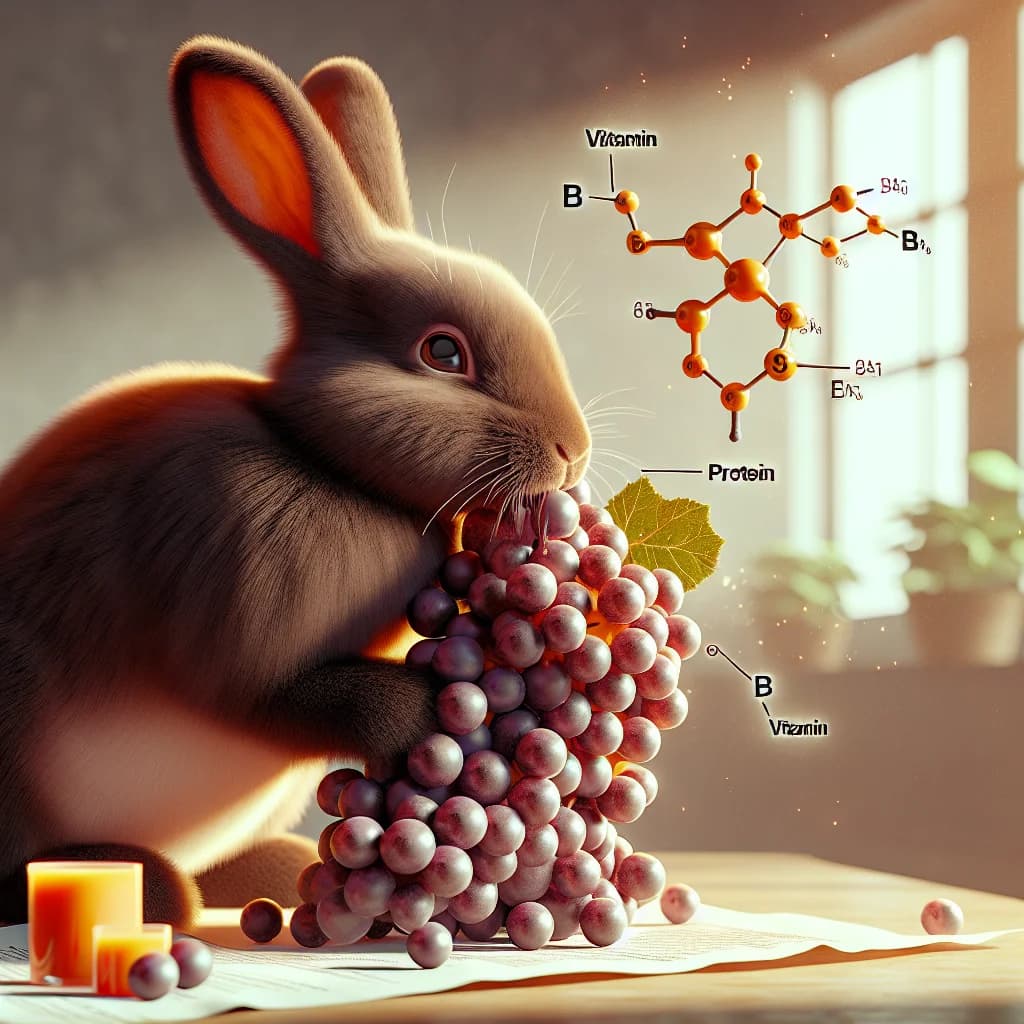
Rabbits eat soft cecotropes to re-absorb vital B vitamins and proteins produced during fermentation that were missed during initial digestion. This essential process allows them to maximize nutrient intake and maintain optimal health from a high-fiber diet.
The Secret Science of Bunny Nutrition: Why Do Pet Rabbits Eat Their Own Specialized Droppings Called Cecotropes to Recover Essential B Vitamins and Proteins?
For many first-time rabbit owners, witnessing their pet engage in "cecotrophy" can be a startling experience. However, what might appear to be a strange or unhygienic habit is actually a sophisticated and vital biological process. Understanding why do pet rabbits eat their own specialized droppings called cecotropes to recover essential B vitamins and proteins is fundamental to providing proper care for these unique lagomorphs. Far from being a behavioral quirk, this process—often referred to as "re-ingestion"—is a highly evolved digestive strategy that allows rabbits to thrive on a diet of tough, fibrous plant material that most other mammals would find nutritionally inadequate.
This blog post explores the intricate science behind the rabbit digestive system, the nutritional composition of cecotropes, and why this behavior is a cornerstone of rabbit health and welfare.
The Two Types of Rabbit Droppings
To understand cecotrophy, one must first distinguish between the two types of waste a rabbit produces. Most owners are familiar with the hard, round, dry fecal pellets found in the litter box. these are the indigestible remains of hay and fiber.
Cecotropes, however, are entirely different. Also known as "night feces," these are small, soft, moist clusters that often resemble a blackberry. They are coated in a thin layer of mucus and are produced in the cecum, a large muscular sac located at the junction of the small and large intestines. Unlike hard waste, cecotropes are packed with concentrated nutrients and are typically consumed by the rabbit directly from the vent, often when the owner is not watching.
The Mechanism of Hindgut Fermentation
Rabbits are classified as hindgut fermenters. Their digestive tract is designed to process large amounts of cellulose quickly. When a rabbit eats, the food travels through the stomach and small intestine, where simple nutrients are absorbed. The remaining material moves to the colon, where a complex sorting process occurs.
Long fiber particles are pushed quickly through the system to become hard droppings. Meanwhile, smaller particles and liquid are shunted backward into the cecum. Inside the cecum, a diverse population of beneficial bacteria, yeasts, and protozoa breaks down these particles through fermentation. This microbial activity synthesizes high-quality proteins and essential B vitamins (such as B12 and riboflavin). Because these nutrients are produced at the "end" of the digestive journey, the rabbit must pass them out and consume them a second time to absorb them through the small intestine.
Why Do Pet Rabbits Eat Their Own Specialized Droppings Called Cecotropes to Recover Essential B Vitamins and Proteins?
The primary reason for this behavior is nutritional efficiency. The fermentation process in the cecum creates a "superfood" that the rabbit cannot afford to waste.
- Protein Recovery: The microbes in the cecum produce microbial protein. By re-ingesting cecotropes, rabbits gain access to amino acids that were not present in the original plant matter.
- Vitamin Synthesis: Cecotropes are a primary source of B vitamins and Vitamin K. These vitamins are essential for metabolic health, neurological function, and blood clotting.
- Microbiome Maintenance: Consuming cecotropes helps re-inoculate the digestive tract with beneficial bacteria, maintaining a healthy gut flora balance.
Clinical Significance and Rabbit Welfare
Monitoring a rabbit’s cecotrope production is a key indicator of their overall health. Under normal circumstances, you should rarely see cecotropes in the cage because the rabbit consumes them immediately.
If a rabbit stops eating their cecotropes, or if they are found mashed in the bedding, it may indicate a health issue. Common causes include:
- Obesity: The rabbit may be physically unable to reach the vent.
- Dental Disease: Pain in the mouth can prevent the rabbit from grooming or consuming the soft pellets.
- Dietary Imbalance: A diet too high in sugar or starch and too low in fiber can disrupt the cecal pH, leading to "mushy" cecotropes that the rabbit finds unpalatable.
Veterinary consensus emphasizes that disrupting this process can lead to malnutrition and GI stasis, a life-threatening condition where the digestive tract slows down or stops.
Conclusion
Understanding why do pet rabbits eat their own specialized droppings called cecotropes to recover essential B vitamins and proteins is essential for any responsible owner. This behavior is not a sign of illness or poor hygiene, but rather a brilliant evolutionary adaptation that ensures the rabbit receives maximum nutrition from its high-fiber diet. By recognizing the difference between waste and nutrient-dense cecotropes, owners can better monitor their pet's digestive health and provide a diet that supports this natural process. If you notice a change in your rabbit's cecotrophy habits, it is always best to consult with a rabbit-savvy veterinarian to ensure your companion remains in peak condition.