Why do pet rabbits enter a dangerous involuntary state called tonic immobility when placed on their backs
Think your bunny is enjoying a peaceful belly rub? This seemingly calm "trance" is actually a terrifying survival mechanism that could be putting your pet’s health at serious risk.

Too Long; Didn't Read
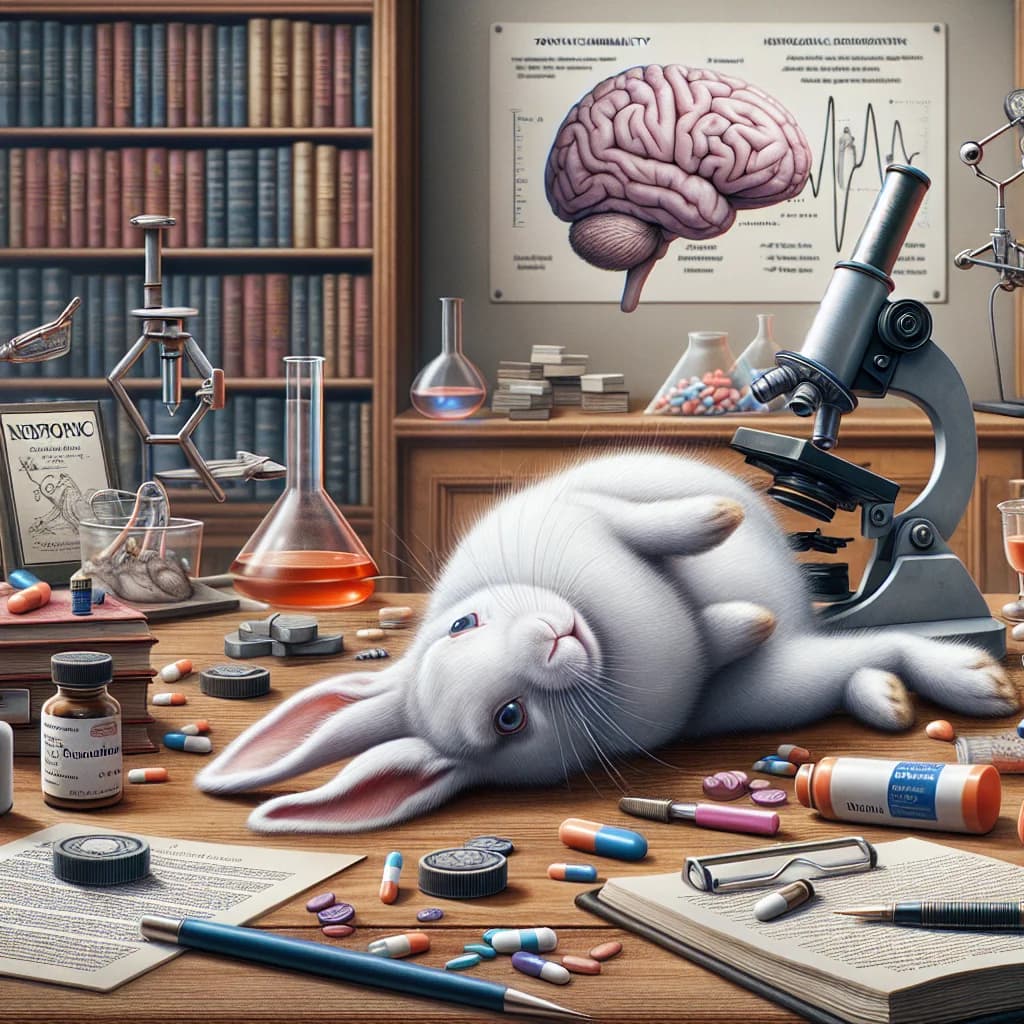
Rabbits enter tonic immobility as a last-resort survival mechanism to mimic death when they feel under extreme threat. Although they appear calm, this state causes intense fear and physiological stress, making it dangerous and something owners should strictly avoid.
Understanding the "Trance": Why Do Pet Rabbits Enter a Dangerous Involuntary State Called Tonic Immobility When Placed on Their Backs?
To an uninformed observer, a rabbit lying motionless on its back might appear to be in a state of profound relaxation or even a peaceful slumber. Many pet owners historically referred to this as "trancing," believing it was a way to bond with their pets or simplify grooming tasks. However, biological research paints a far more harrowing picture. This phenomenon is actually a powerful, involuntary survival mechanism triggered by extreme fear. Understanding why do pet rabbits enter a dangerous involuntary state called tonic immobility when placed on their backs is critical for any responsible owner. By peeling back the layers of rabbit physiology and evolutionary history, we can better appreciate the delicate nature of these companion animals and ensure their welfare is prioritized over outdated handling myths.
What is Tonic Immobility?
Tonic Immobility (TI) is a temporary state of motor inhibition and reduced responsiveness to external stimuli. In the animal kingdom, it is often referred to as "apparent death" or "playing dead." While several species, including sharks and certain reptiles, exhibit TI, the reaction in rabbits is particularly acute due to their status as a primary prey species.
When a rabbit is turned onto its back—a position known as dorsal recumbency—the brain receives signals that it has been captured by a predator. In response, the rabbit’s body undergoes an involuntary shutdown. Although the rabbit remains conscious and aware of its surroundings, it becomes physically paralyzed. This is not a choice made by the rabbit, but a primitive reflex designed to facilitate an escape if a predator momentarily loosens its grip.
The Evolutionary and Biological Mechanism
From an evolutionary standpoint, tonic immobility is a "last resort" defense mechanism. When the primary defenses of flight (running) and fight (kicking or biting) have failed, TI kicks in. The biological logic is that many predators lose interest in "dead" prey or may set the animal down to adjust their grip, providing a split-second window for the rabbit to bolt.
The Physiological Reality of the "Trance"
Contrary to the myth that "trancing" is a relaxing experience, veterinary studies using infrared thermography and heart rate monitors have shown that rabbits in TI are experiencing extreme physiological stress. Key markers observed during tonic immobility include:
- Elevated Heart Rate: Despite the outward appearance of stillness, the heart often beats at an accelerated pace.
- Respiratory Distress: Breathing can become rapid and shallow (tachypnea).
- Cortisol Spikes: Blood tests often reveal significantly elevated levels of corticosterone, the primary stress hormone in rabbits.
The Dangers of Inducing Tonic Immobility
The veterinary community and animal welfare organizations, such as the Rabbit Welfare Association & Fund (RWAF), strongly advise against intentionally inducing TI. The risks are both psychological and physical:
- Cardiovascular Strain: The surge of adrenaline and cortisol can put immense strain on a rabbit’s sensitive heart, potentially leading to long-term health issues or, in extreme cases, sudden death.
- Physical Injury: If a rabbit suddenly "snaps out" of the trance, it may kick out violently. Because rabbit skeletons are lightweight and their muscles are powerful, this sudden movement can lead to spinal fractures or luxations.
- Breakdown of Trust: Repeatedly inducing a state of terror can damage the bond between the rabbit and the owner, leading to a pet that is fearful, withdrawn, or aggressive during handling.
Evidence-Based Best Practices for Handling
Because we understand why do pet rabbits enter a dangerous involuntary state called tonic immobility when placed on their backs, we must adapt our husbandry techniques to avoid this trigger.
- The "Football Hold": Support the rabbit's weight by tucking them against your side, ensuring their hindquarters are fully supported and their feet are facing the ground or your body.
- Keep Feet Down: Whenever possible, keep all four feet on a solid surface. If grooming or nail trimming is required, use the "bunny burrito" method—wrapping the rabbit snugly in a towel—which provides security without the need for dorsal recumbency.
- Observe Body Language: Look for relaxed ears and soft eyes. If a rabbit’s eyes are bulging (exophthalmos) or they are frozen, they are likely experiencing high levels of stress.
Conclusion
Understanding why do pet rabbits enter a dangerous involuntary state called tonic immobility when placed on their backs is a cornerstone of modern rabbit ethology. While the "trance" was once viewed as a convenient tool for owners, science has clarified that it is an expression of profound fear and a biological emergency response. Recognizing TI for what it is—a state of tonic immobility rather than relaxation—is essential for promoting the longevity and emotional well-being of these sensitive creatures. By choosing handling methods that respect the rabbit’s natural instincts and avoid triggering their "last resort" defense, we foster a relationship built on safety and trust. If you have concerns about your rabbit's stress levels or need help with safe grooming techniques, always consult with a rabbit-savvy veterinarian to ensure the highest standard of care.